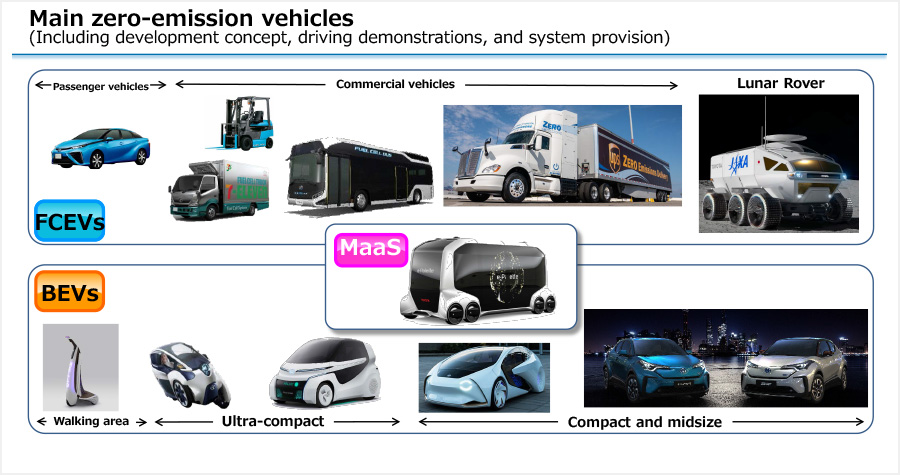
Beyond Zero is Toyota's vision to reach carbon neutrality with our products, services and operations, and go beyond, as we find new ways to make a positive impact on our planet and society. We currently offer more low and zero emission vehicles combined than any other automaker, to give customers numerous choices to reduce their carbon footprint.
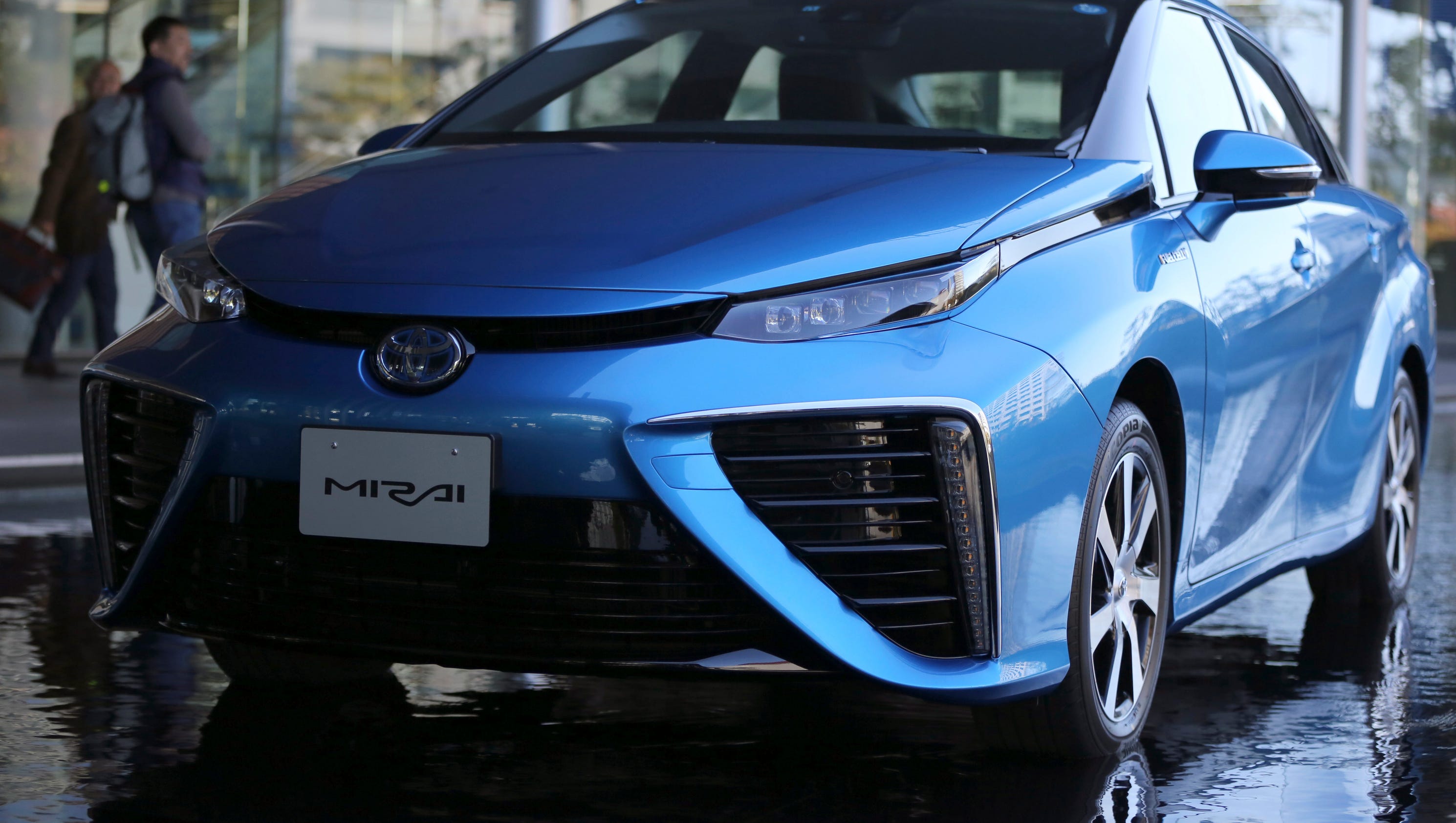
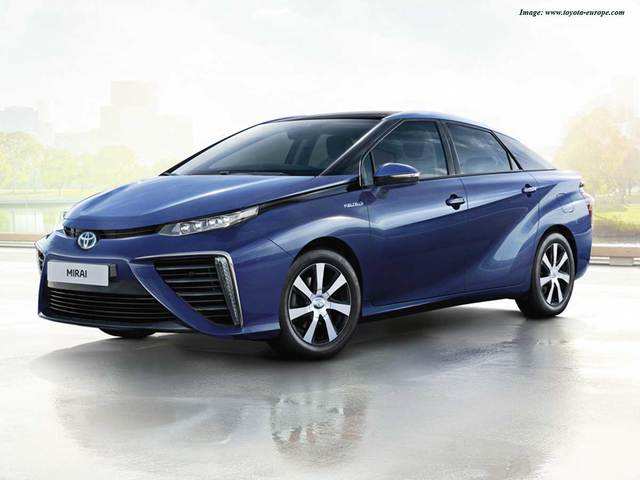
Explore the 2025 Toyota Mirai which combines hydrogen with oxygen from the outside air to generate power, without creating tailpipe emissions.
Today's executive order: Reaffirms the state's commitment to zero-emission vehicle (ZEV) deployment Initiates the development of Advanced Clean Cars III regulation to advance new strategies for emissions reduction Updates state purchasing requirements to align with manufacturers that continue complying with clean car regulations Prioritizes funding for state incentive programs for clean.
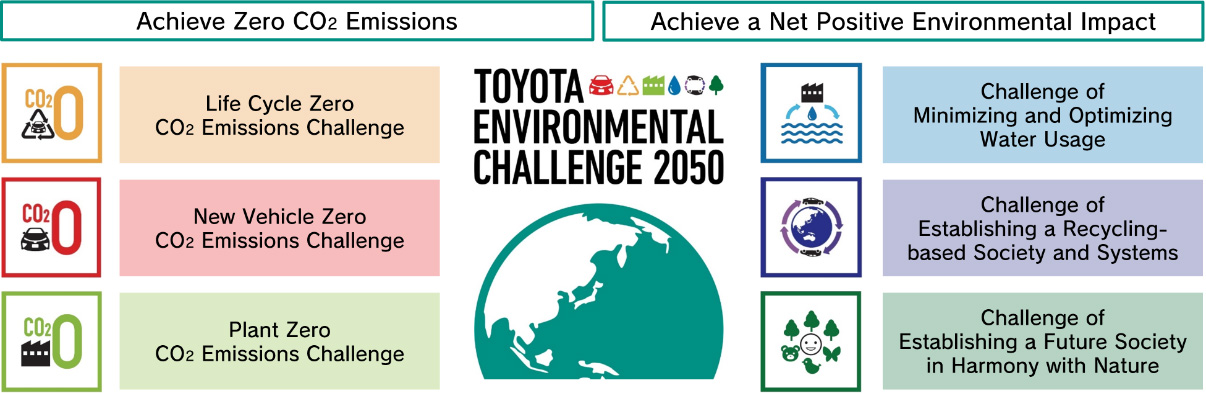
Toyota is committed to becoming carbon neutral across the vehicle life cycle by 2050. Carbon neutral means we aim to reduce and offset GHG emissions to achieve net zero carbon emissions across operations, manufacturing, logistics, use and recycling of our products, all by 2050.
Toyota Highlights Its Multi-technology Approach To Zero Carbon With ...
The chairman also expressed a strong desire to reduce emissions through what Toyota calls a "multi-pathway" approach: many different car powertrains, including more efficient gas engines.
Explore the 2025 Toyota Mirai which combines hydrogen with oxygen from the outside air to generate power, without creating tailpipe emissions.
This target includes absolute Scope 1 and Scope 2 GHG emissions from all facilities (both manufacturing and non-manufacturing). [4] Carbon neutrality for our facilities means we aim to reduce our Scope 1 and 2 emissions to the greatest extent possible, then rely on offsets, if necessary, to get us to zero GHG emissions.
CARB has developed two implementation manuals that fully describe vehicle eligibility criteria and the application process for manufacturers of: (1) light-duty zero-emission and plug-in hybrid electric vehicles, and (2) zero-emission motorcycles: Light.
Toyota: Zero-emission Car Will Have Longest Range
CARB has developed two implementation manuals that fully describe vehicle eligibility criteria and the application process for manufacturers of: (1) light-duty zero-emission and plug-in hybrid electric vehicles, and (2) zero-emission motorcycles: Light.
1999 Model Year Vehicles 1998 Model Year Vehicles 1997 Model Year Vehicles * Please note that the new terminology for Enhanced Advanced Technology Partial Zero Emission Vehicle (AT PZEV) is Transitional Zero Emission Vehicle (TZEV). TZEVs meet the same certification requirements and qualify for the Clean Air Sticker.
Beyond Zero is Toyota's vision to reach carbon neutrality with our products, services and operations, and go beyond, as we find new ways to make a positive impact on our planet and society. We currently offer more low and zero emission vehicles combined than any other automaker, to give customers numerous choices to reduce their carbon footprint.
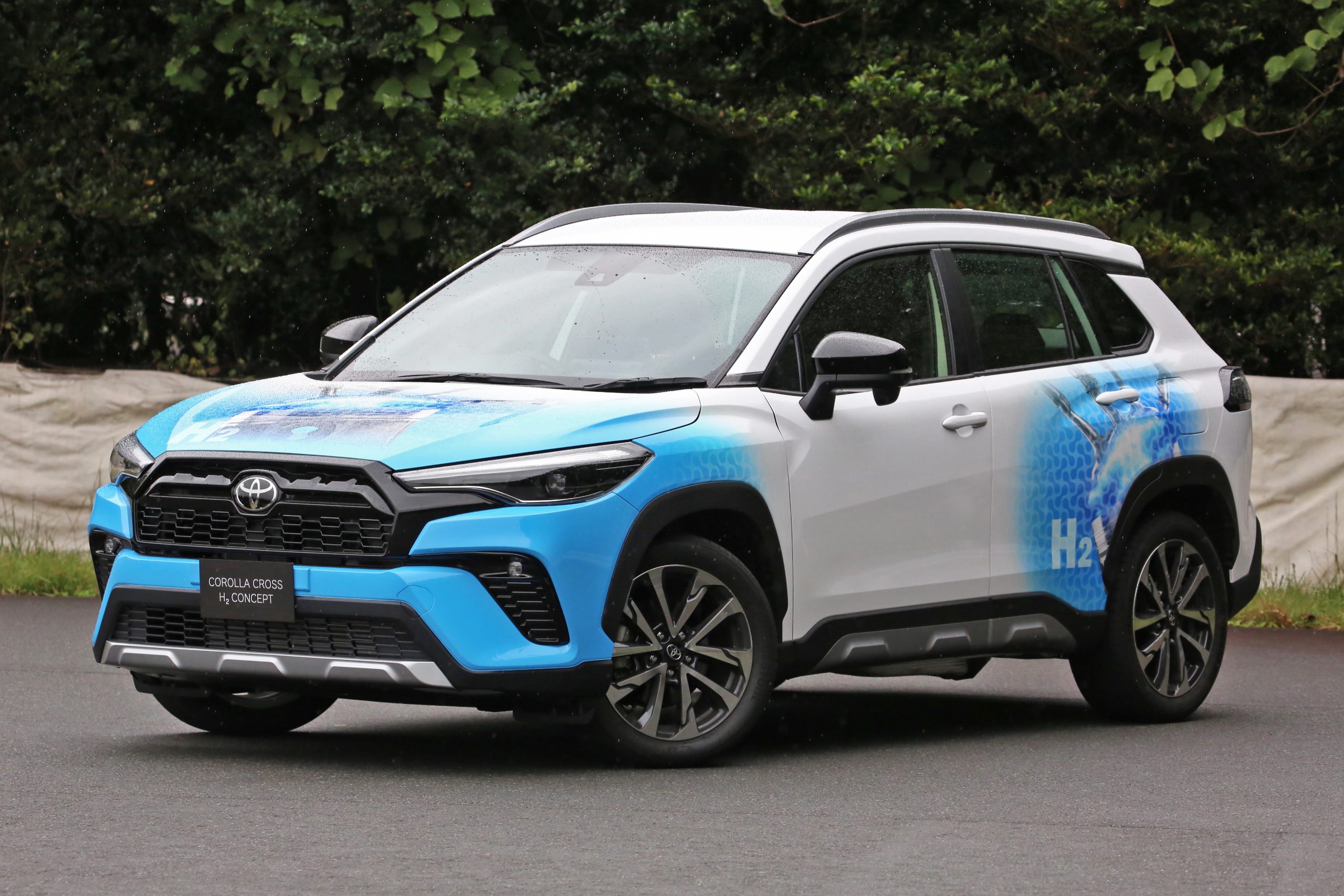
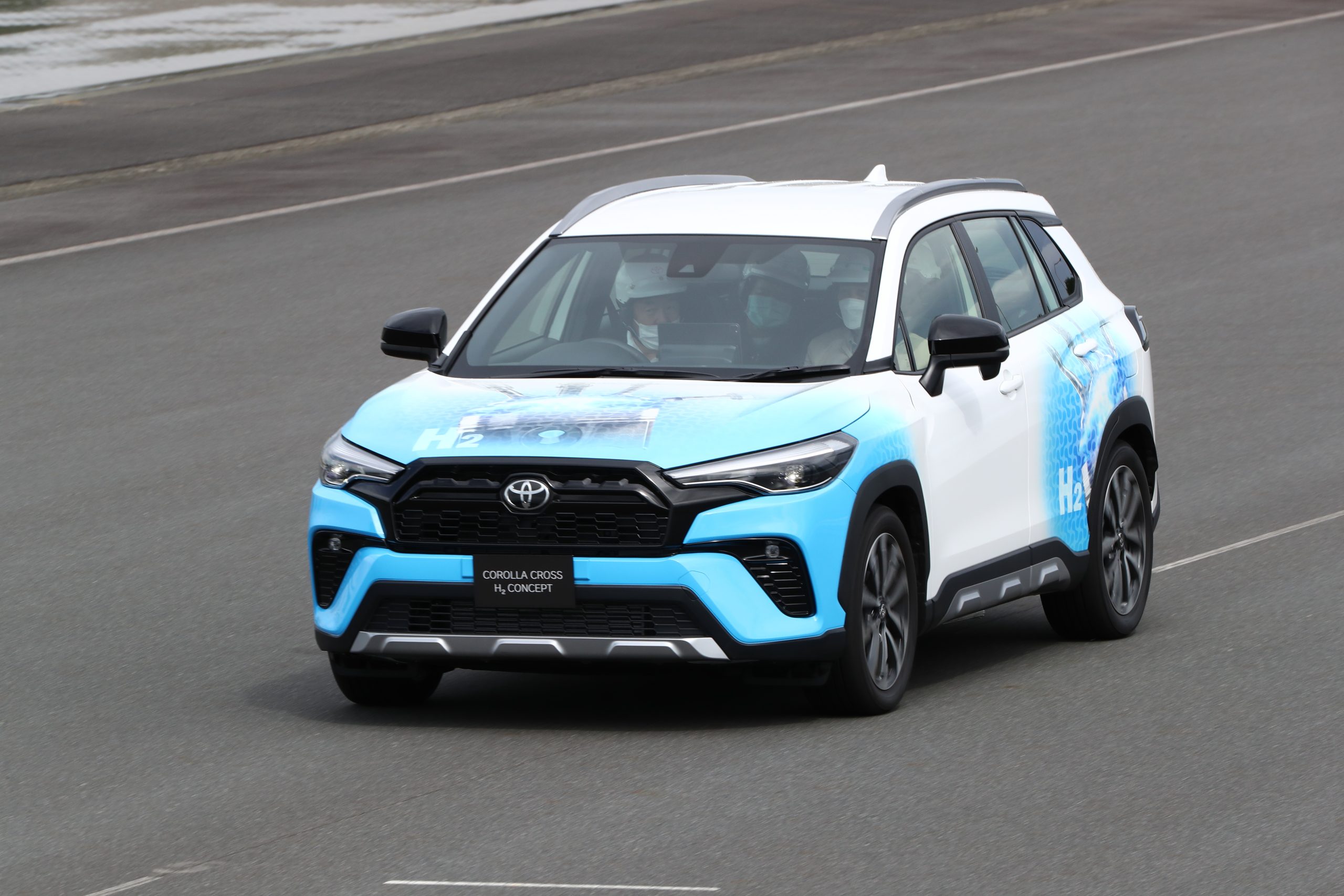
Discover Toyota's breakthrough hydrogen combustion engine, a high-performance, zero.
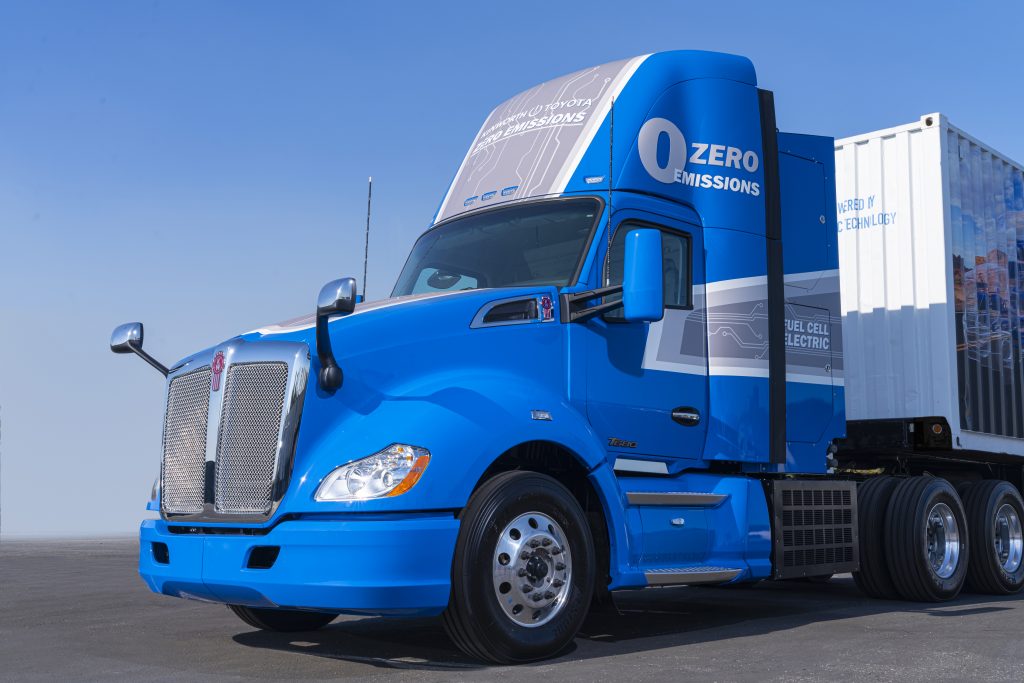
Toyota Plots The Future Of Zero Emission Haulage With New Beta Hydrogen ...
Explore the 2025 Toyota Mirai which combines hydrogen with oxygen from the outside air to generate power, without creating tailpipe emissions.
The chairman also expressed a strong desire to reduce emissions through what Toyota calls a "multi-pathway" approach: many different car powertrains, including more efficient gas engines.
Beyond Zero is Toyota's vision to reach carbon neutrality with our products, services and operations, and go beyond, as we find new ways to make a positive impact on our planet and society. We currently offer more low and zero emission vehicles combined than any other automaker, to give customers numerous choices to reduce their carbon footprint.
Toyota is committed to becoming carbon neutral across the vehicle life cycle by 2050. Carbon neutral means we aim to reduce and offset GHG emissions to achieve net zero carbon emissions across operations, manufacturing, logistics, use and recycling of our products, all by 2050.
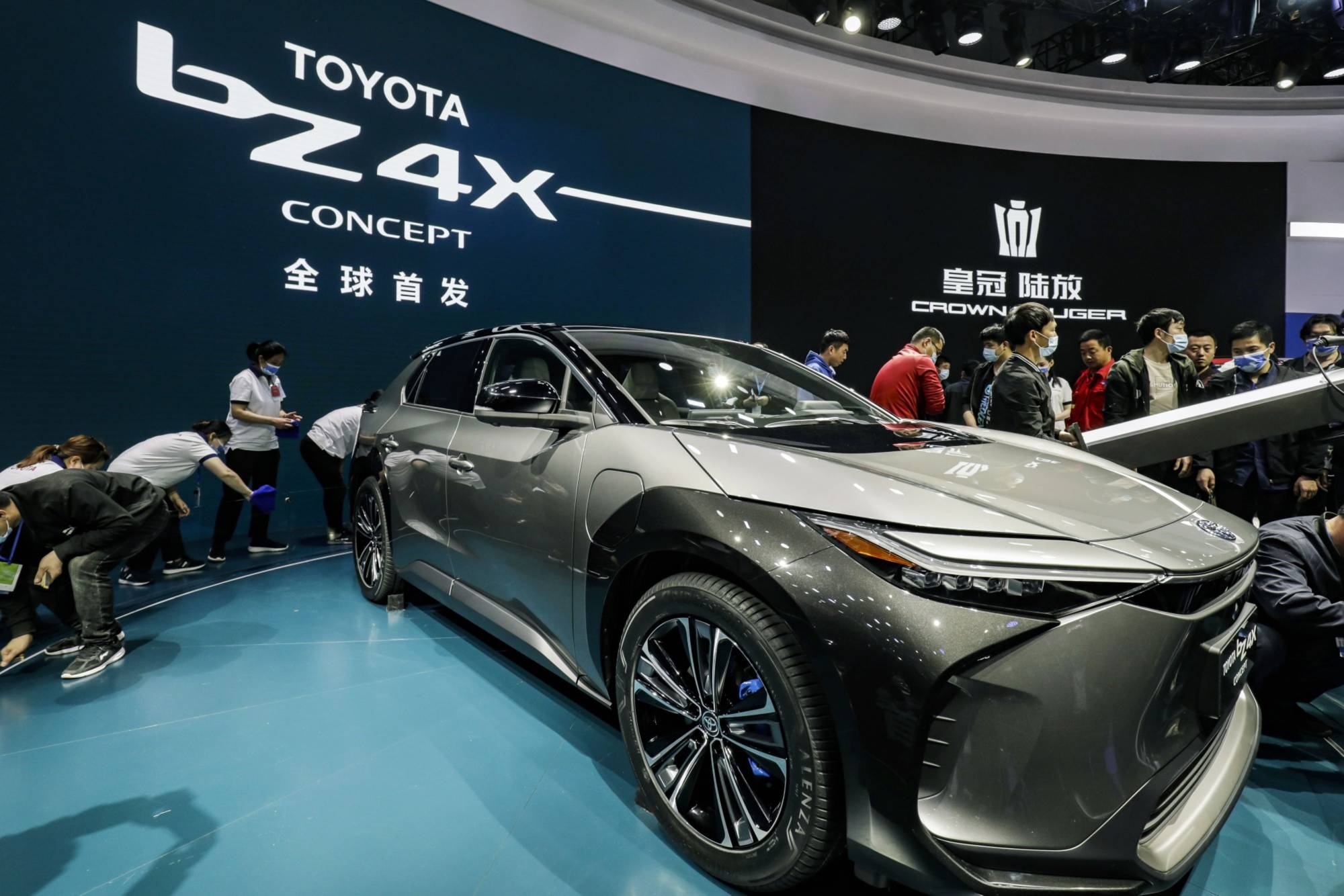
Aiming To Popularize BEVs | Corporate | Global Newsroom | Toyota Motor ...
CARB has developed two implementation manuals that fully describe vehicle eligibility criteria and the application process for manufacturers of: (1) light-duty zero-emission and plug-in hybrid electric vehicles, and (2) zero-emission motorcycles: Light.
The chairman also expressed a strong desire to reduce emissions through what Toyota calls a "multi-pathway" approach: many different car powertrains, including more efficient gas engines.
Toyota is committed to becoming carbon neutral across the vehicle life cycle by 2050. Carbon neutral means we aim to reduce and offset GHG emissions to achieve net zero carbon emissions across operations, manufacturing, logistics, use and recycling of our products, all by 2050.
1999 Model Year Vehicles 1998 Model Year Vehicles 1997 Model Year Vehicles * Please note that the new terminology for Enhanced Advanced Technology Partial Zero Emission Vehicle (AT PZEV) is Transitional Zero Emission Vehicle (TZEV). TZEVs meet the same certification requirements and qualify for the Clean Air Sticker.
Toyota Moves Closer To Zero Emission Heavy-duty Fuel Cell Electric ...
Beyond Zero is Toyota's vision to reach carbon neutrality with our products, services and operations, and go beyond, as we find new ways to make a positive impact on our planet and society. We currently offer more low and zero emission vehicles combined than any other automaker, to give customers numerous choices to reduce their carbon footprint.
Explore the 2025 Toyota Mirai which combines hydrogen with oxygen from the outside air to generate power, without creating tailpipe emissions.
Discover Toyota's breakthrough hydrogen combustion engine, a high-performance, zero.
Toyota is committed to becoming carbon neutral across the vehicle life cycle by 2050. Carbon neutral means we aim to reduce and offset GHG emissions to achieve net zero carbon emissions across operations, manufacturing, logistics, use and recycling of our products, all by 2050.
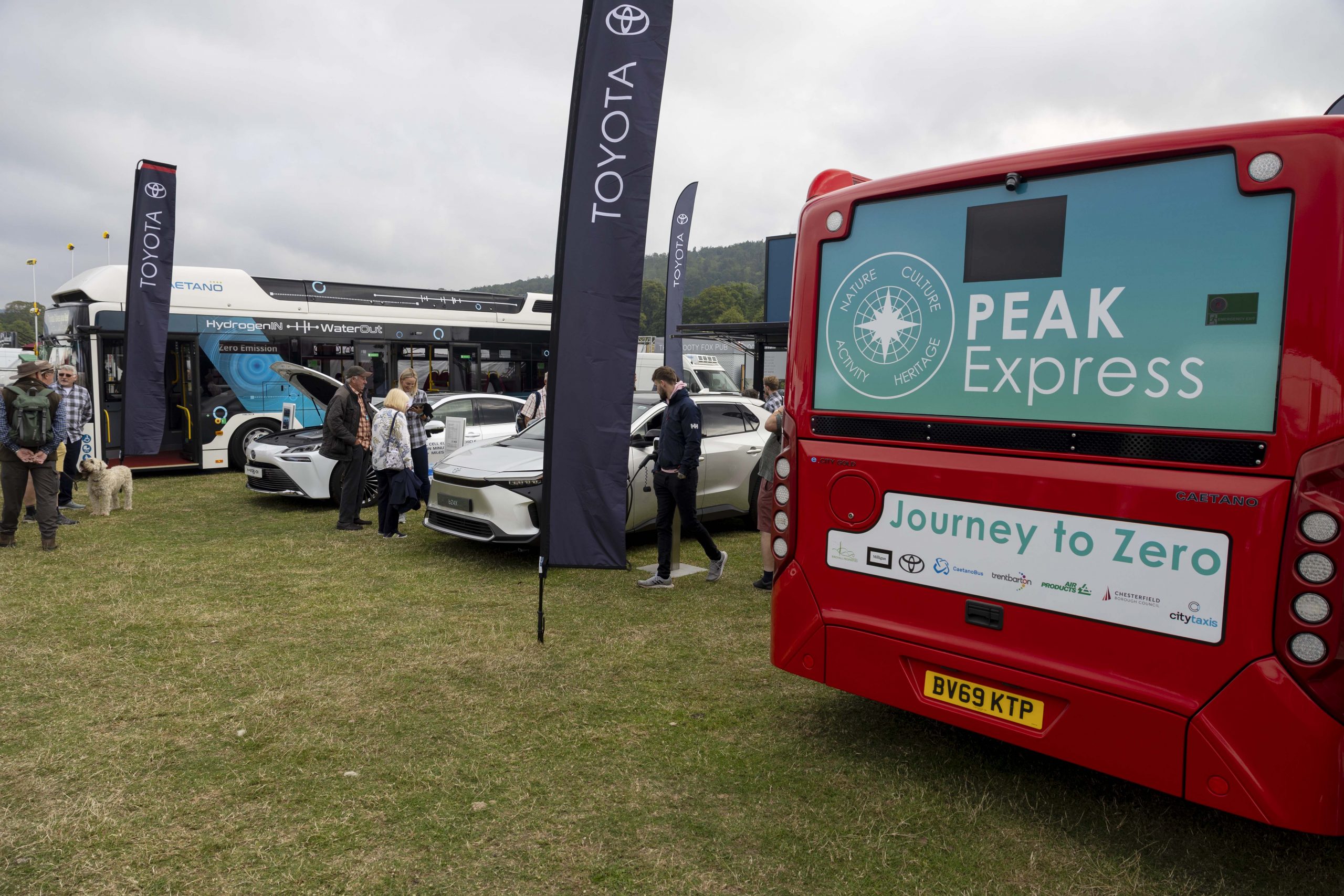
Toyota Zero Emission Buses Join Tourist Transportation Trial In The ...
Discover Toyota's breakthrough hydrogen combustion engine, a high-performance, zero.
This target includes absolute Scope 1 and Scope 2 GHG emissions from all facilities (both manufacturing and non-manufacturing). [4] Carbon neutrality for our facilities means we aim to reduce our Scope 1 and 2 emissions to the greatest extent possible, then rely on offsets, if necessary, to get us to zero GHG emissions.
Beyond Zero is Toyota's vision to reach carbon neutrality with our products, services and operations, and go beyond, as we find new ways to make a positive impact on our planet and society. We currently offer more low and zero emission vehicles combined than any other automaker, to give customers numerous choices to reduce their carbon footprint.
Toyota's vision for zero-emission cars reflects its deep commitment to creating a sustainable future. By embracing innovation, investing in hydrogen and battery-electric technologies, and fostering global collaboration, Toyota is leading the charge toward a cleaner, greener world.
Toyota Canada And Edmonton International Airport (YEG) Partner To Bring ...
Today's executive order: Reaffirms the state's commitment to zero-emission vehicle (ZEV) deployment Initiates the development of Advanced Clean Cars III regulation to advance new strategies for emissions reduction Updates state purchasing requirements to align with manufacturers that continue complying with clean car regulations Prioritizes funding for state incentive programs for clean.
1999 Model Year Vehicles 1998 Model Year Vehicles 1997 Model Year Vehicles * Please note that the new terminology for Enhanced Advanced Technology Partial Zero Emission Vehicle (AT PZEV) is Transitional Zero Emission Vehicle (TZEV). TZEVs meet the same certification requirements and qualify for the Clean Air Sticker.
Explore the 2025 Toyota Mirai which combines hydrogen with oxygen from the outside air to generate power, without creating tailpipe emissions.
Toyota's vision for zero-emission cars reflects its deep commitment to creating a sustainable future. By embracing innovation, investing in hydrogen and battery-electric technologies, and fostering global collaboration, Toyota is leading the charge toward a cleaner, greener world.
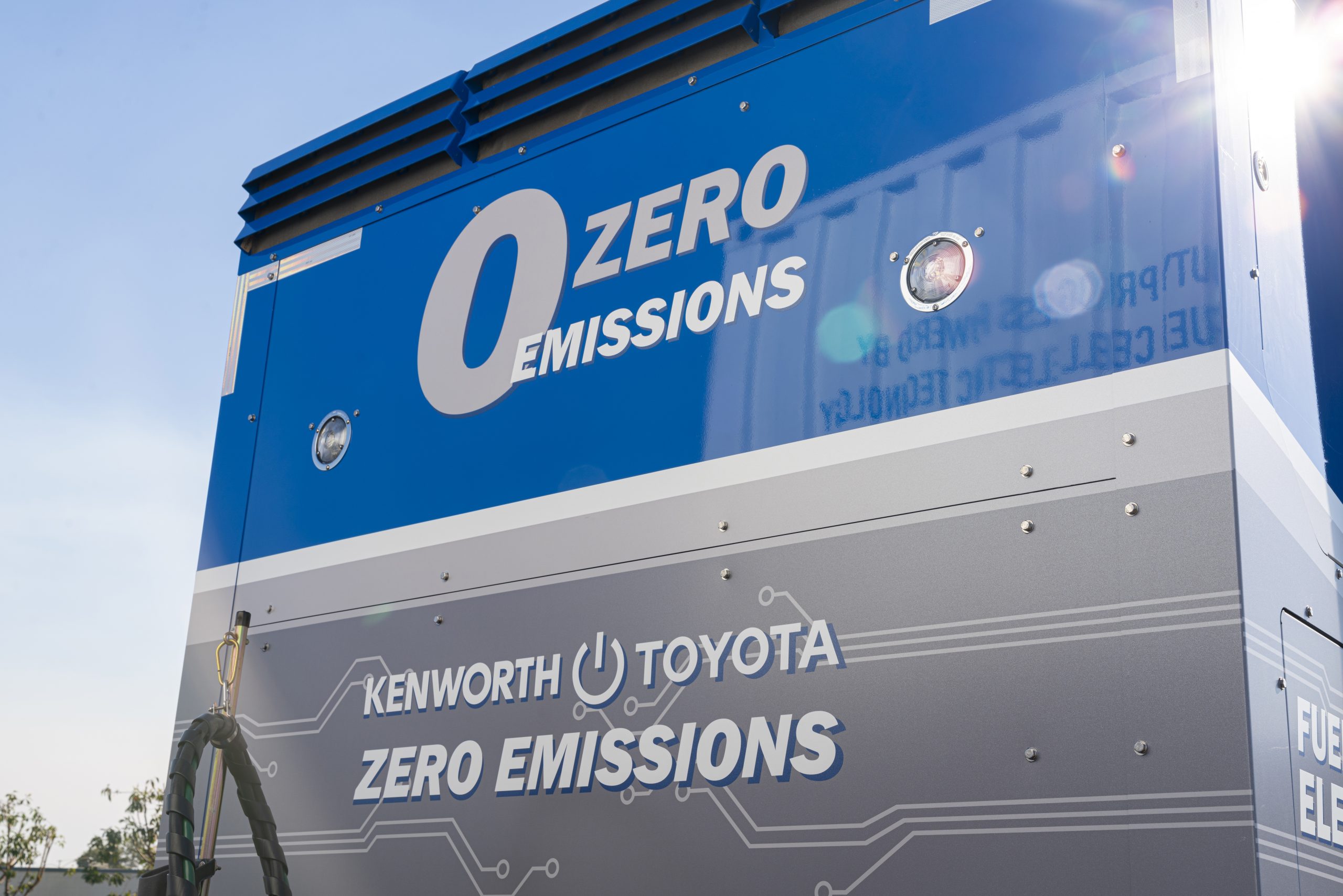
Toyota Moves Closer To Zero Emission Heavy-duty Fuel Cell Electric ...
Discover Toyota's breakthrough hydrogen combustion engine, a high-performance, zero.
CARB has developed two implementation manuals that fully describe vehicle eligibility criteria and the application process for manufacturers of: (1) light-duty zero-emission and plug-in hybrid electric vehicles, and (2) zero-emission motorcycles: Light.
Explore the 2025 Toyota Mirai which combines hydrogen with oxygen from the outside air to generate power, without creating tailpipe emissions.
The chairman also expressed a strong desire to reduce emissions through what Toyota calls a "multi-pathway" approach: many different car powertrains, including more efficient gas engines.
Toyota Moves Closer To Zero Emission Heavy-duty Fuel Cell Electric ...
Explore the 2025 Toyota Mirai which combines hydrogen with oxygen from the outside air to generate power, without creating tailpipe emissions.
CARB has developed two implementation manuals that fully describe vehicle eligibility criteria and the application process for manufacturers of: (1) light-duty zero-emission and plug-in hybrid electric vehicles, and (2) zero-emission motorcycles: Light.
Discover Toyota's breakthrough hydrogen combustion engine, a high-performance, zero.
This target includes absolute Scope 1 and Scope 2 GHG emissions from all facilities (both manufacturing and non-manufacturing). [4] Carbon neutrality for our facilities means we aim to reduce our Scope 1 and 2 emissions to the greatest extent possible, then rely on offsets, if necessary, to get us to zero GHG emissions.
A Car Of The Future: Toyota Brings Redesigned Hydrogen Powered Mirai ...
Toyota's vision for zero-emission cars reflects its deep commitment to creating a sustainable future. By embracing innovation, investing in hydrogen and battery-electric technologies, and fostering global collaboration, Toyota is leading the charge toward a cleaner, greener world.
The chairman also expressed a strong desire to reduce emissions through what Toyota calls a "multi-pathway" approach: many different car powertrains, including more efficient gas engines.
Explore the 2025 Toyota Mirai which combines hydrogen with oxygen from the outside air to generate power, without creating tailpipe emissions.
CARB has developed two implementation manuals that fully describe vehicle eligibility criteria and the application process for manufacturers of: (1) light-duty zero-emission and plug-in hybrid electric vehicles, and (2) zero-emission motorcycles: Light.
Toyota Gets Ready To Sell Only Zero-emission Cars In Europe - The Japan ...
Explore the 2025 Toyota Mirai which combines hydrogen with oxygen from the outside air to generate power, without creating tailpipe emissions.
1999 Model Year Vehicles 1998 Model Year Vehicles 1997 Model Year Vehicles * Please note that the new terminology for Enhanced Advanced Technology Partial Zero Emission Vehicle (AT PZEV) is Transitional Zero Emission Vehicle (TZEV). TZEVs meet the same certification requirements and qualify for the Clean Air Sticker.
Discover Toyota's breakthrough hydrogen combustion engine, a high-performance, zero.
This target includes absolute Scope 1 and Scope 2 GHG emissions from all facilities (both manufacturing and non-manufacturing). [4] Carbon neutrality for our facilities means we aim to reduce our Scope 1 and 2 emissions to the greatest extent possible, then rely on offsets, if necessary, to get us to zero GHG emissions.
Today's executive order: Reaffirms the state's commitment to zero-emission vehicle (ZEV) deployment Initiates the development of Advanced Clean Cars III regulation to advance new strategies for emissions reduction Updates state purchasing requirements to align with manufacturers that continue complying with clean car regulations Prioritizes funding for state incentive programs for clean.
1999 Model Year Vehicles 1998 Model Year Vehicles 1997 Model Year Vehicles * Please note that the new terminology for Enhanced Advanced Technology Partial Zero Emission Vehicle (AT PZEV) is Transitional Zero Emission Vehicle (TZEV). TZEVs meet the same certification requirements and qualify for the Clean Air Sticker.
Beyond Zero is Toyota's vision to reach carbon neutrality with our products, services and operations, and go beyond, as we find new ways to make a positive impact on our planet and society. We currently offer more low and zero emission vehicles combined than any other automaker, to give customers numerous choices to reduce their carbon footprint.
Toyota's vision for zero-emission cars reflects its deep commitment to creating a sustainable future. By embracing innovation, investing in hydrogen and battery-electric technologies, and fostering global collaboration, Toyota is leading the charge toward a cleaner, greener world.
10.2. Zero Emission Vehicles | EME 807: Technologies For Sustainability ...
Toyota's vision for zero-emission cars reflects its deep commitment to creating a sustainable future. By embracing innovation, investing in hydrogen and battery-electric technologies, and fostering global collaboration, Toyota is leading the charge toward a cleaner, greener world.
The chairman also expressed a strong desire to reduce emissions through what Toyota calls a "multi-pathway" approach: many different car powertrains, including more efficient gas engines.
Discover Toyota's breakthrough hydrogen combustion engine, a high-performance, zero.
Explore the 2025 Toyota Mirai which combines hydrogen with oxygen from the outside air to generate power, without creating tailpipe emissions.
Battle Of Zero-emissions Cars: Hydrogen Or Electric? - BBC News
The chairman also expressed a strong desire to reduce emissions through what Toyota calls a "multi-pathway" approach: many different car powertrains, including more efficient gas engines.
Toyota is committed to becoming carbon neutral across the vehicle life cycle by 2050. Carbon neutral means we aim to reduce and offset GHG emissions to achieve net zero carbon emissions across operations, manufacturing, logistics, use and recycling of our products, all by 2050.
Explore the 2025 Toyota Mirai which combines hydrogen with oxygen from the outside air to generate power, without creating tailpipe emissions.
CARB has developed two implementation manuals that fully describe vehicle eligibility criteria and the application process for manufacturers of: (1) light-duty zero-emission and plug-in hybrid electric vehicles, and (2) zero-emission motorcycles: Light.
Toyota Highlights Its Multi-technology Approach To Zero Carbon With ...
1999 Model Year Vehicles 1998 Model Year Vehicles 1997 Model Year Vehicles * Please note that the new terminology for Enhanced Advanced Technology Partial Zero Emission Vehicle (AT PZEV) is Transitional Zero Emission Vehicle (TZEV). TZEVs meet the same certification requirements and qualify for the Clean Air Sticker.
Explore the 2025 Toyota Mirai which combines hydrogen with oxygen from the outside air to generate power, without creating tailpipe emissions.
CARB has developed two implementation manuals that fully describe vehicle eligibility criteria and the application process for manufacturers of: (1) light-duty zero-emission and plug-in hybrid electric vehicles, and (2) zero-emission motorcycles: Light.
Today's executive order: Reaffirms the state's commitment to zero-emission vehicle (ZEV) deployment Initiates the development of Advanced Clean Cars III regulation to advance new strategies for emissions reduction Updates state purchasing requirements to align with manufacturers that continue complying with clean car regulations Prioritizes funding for state incentive programs for clean.
Today's executive order: Reaffirms the state's commitment to zero-emission vehicle (ZEV) deployment Initiates the development of Advanced Clean Cars III regulation to advance new strategies for emissions reduction Updates state purchasing requirements to align with manufacturers that continue complying with clean car regulations Prioritizes funding for state incentive programs for clean.
Discover Toyota's breakthrough hydrogen combustion engine, a high-performance, zero.
This target includes absolute Scope 1 and Scope 2 GHG emissions from all facilities (both manufacturing and non-manufacturing). [4] Carbon neutrality for our facilities means we aim to reduce our Scope 1 and 2 emissions to the greatest extent possible, then rely on offsets, if necessary, to get us to zero GHG emissions.
Toyota is committed to becoming carbon neutral across the vehicle life cycle by 2050. Carbon neutral means we aim to reduce and offset GHG emissions to achieve net zero carbon emissions across operations, manufacturing, logistics, use and recycling of our products, all by 2050.
Beyond Zero is Toyota's vision to reach carbon neutrality with our products, services and operations, and go beyond, as we find new ways to make a positive impact on our planet and society. We currently offer more low and zero emission vehicles combined than any other automaker, to give customers numerous choices to reduce their carbon footprint.
CARB has developed two implementation manuals that fully describe vehicle eligibility criteria and the application process for manufacturers of: (1) light-duty zero-emission and plug-in hybrid electric vehicles, and (2) zero-emission motorcycles: Light.
1999 Model Year Vehicles 1998 Model Year Vehicles 1997 Model Year Vehicles * Please note that the new terminology for Enhanced Advanced Technology Partial Zero Emission Vehicle (AT PZEV) is Transitional Zero Emission Vehicle (TZEV). TZEVs meet the same certification requirements and qualify for the Clean Air Sticker.
The chairman also expressed a strong desire to reduce emissions through what Toyota calls a "multi-pathway" approach: many different car powertrains, including more efficient gas engines.
Explore the 2025 Toyota Mirai which combines hydrogen with oxygen from the outside air to generate power, without creating tailpipe emissions.
Toyota's vision for zero-emission cars reflects its deep commitment to creating a sustainable future. By embracing innovation, investing in hydrogen and battery-electric technologies, and fostering global collaboration, Toyota is leading the charge toward a cleaner, greener world.