Toyota's hydrogen chief, Mitsumasa Yamagata, has warned that without urgent investment, countries risk ceding leadership in hydrogen vehicle technology to China, just as they did with battery-electric vehicles. In an interview with the Financial Times, Yamagata highlighted China's rapid progress: government-backed "hydrogen highways," a growing refueling network, and lower fuel costs.
Toyota's Commitment to Hydrogen Technology Toyota has long been a pioneer in alternative fuel technologies. From the launch of the Prius in 1997 to the debut of the hydrogen-powered Toyota Mirai in 2014, the company has consistently pushed the boundaries of automotive innovation. Why Toyota is focusing on hydrogen: Diverse Energy Ecosystem: Toyota believes hydrogen complements EVs in the.
Toyota is also working with Isuzu Motors to mass produce a light-duty hydrogen fuel cell truck later this decade and has secured deals to supply hydrogen buses in Tokyo, Strasbourg and Madrid. "On all levels, hydrogen has been a failure for passenger cars," said James Hong, head of Asia energy transition and commodities at Macquarie Capital.
However, some automakers, including Toyota, are considering hydrogen.
Toyota Pushes On With Hydrogen Power To Keep Engines Alive | CarExpert
Toyota Motor (NYSE:TM) reinforced its commitment to hydrogen at the 2025 Hydrogen and Fuel Cell Seminar, laying out a roadmap for expanding its fuel cell technology across multiple industries.
In an interview with the Financial Times, Yamagata estimated that hydrogen fuel for transport in Japan costs ¥2,000 ($13.89) per kilogram. Meanwhile, he puts the cost of H 2 in China at ¥500-1,000 per kilo, although this includes by-product H 2, which he attributes to a greater level of government support for the sector.
Toyota rethinks its bet on hydrogen The world's largest carmaker is pivoting to commercial vehicles after passenger cars fail to gain traction One of Toyota's flagship hydrogen Mirai vehicles.
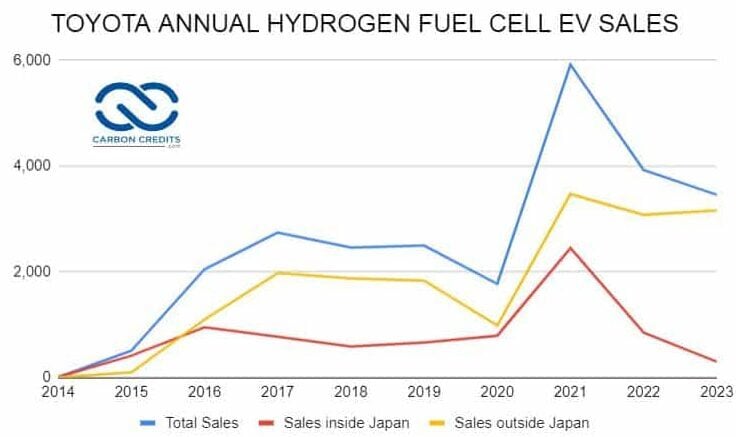
Toyota, the world's largest carmaker by sales, has been the industry's foremost proponent of hydrogen vehicles, developing the technology for more than 30 years and selling 28,000 Mirai fuel.
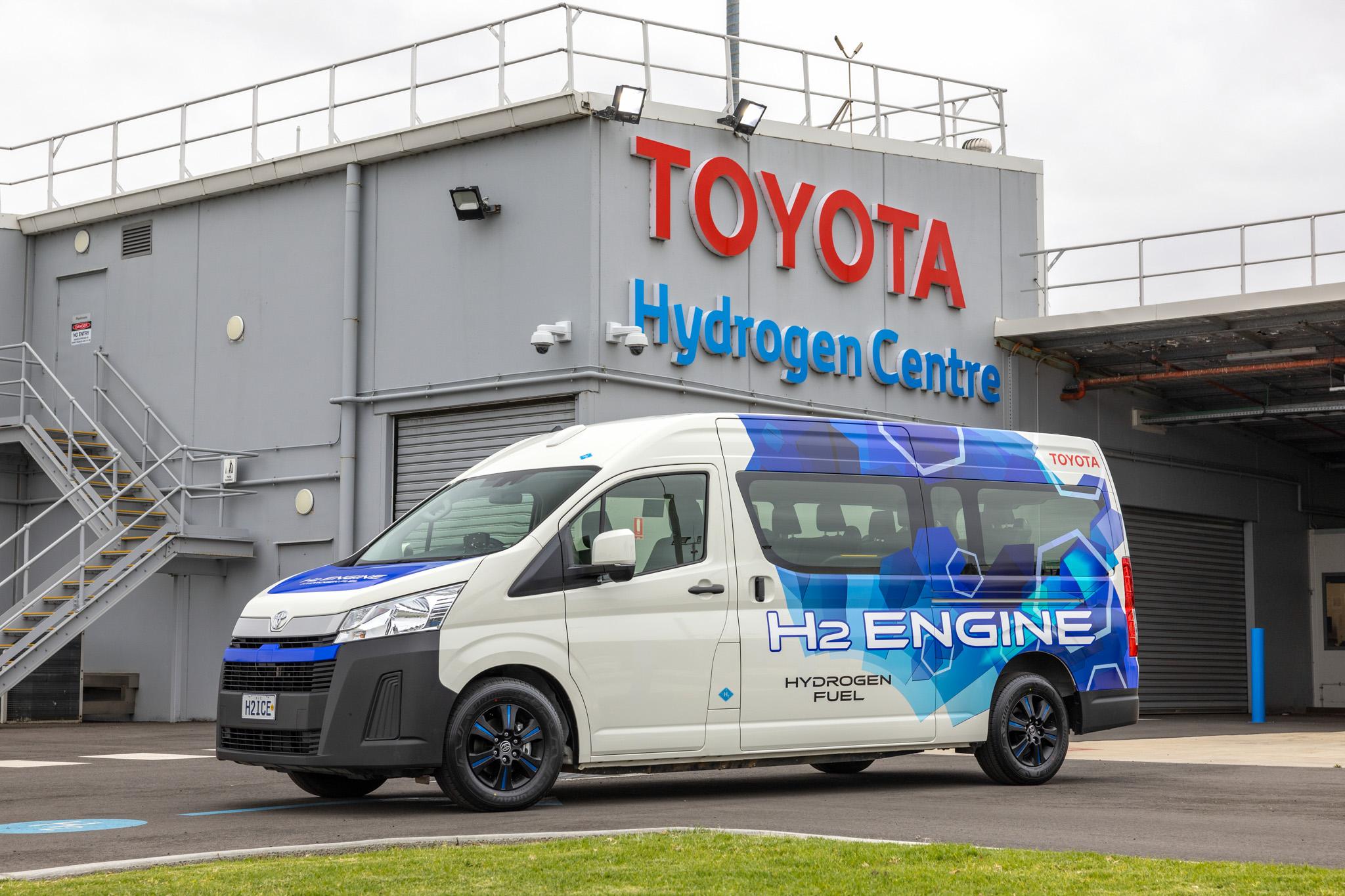
Toyota Trialling Hydrogen In Australia - Just Auto
In an interview with the Financial Times, Yamagata estimated that hydrogen fuel for transport in Japan costs ¥2,000 ($13.89) per kilogram. Meanwhile, he puts the cost of H 2 in China at ¥500-1,000 per kilo, although this includes by-product H 2, which he attributes to a greater level of government support for the sector.
Toyota's Commitment to Hydrogen Technology Toyota has long been a pioneer in alternative fuel technologies. From the launch of the Prius in 1997 to the debut of the hydrogen-powered Toyota Mirai in 2014, the company has consistently pushed the boundaries of automotive innovation. Why Toyota is focusing on hydrogen: Diverse Energy Ecosystem: Toyota believes hydrogen complements EVs in the.
The Financial Times opens up a debate around H2 buses in Tokyo. «Fuel costs 2.6 times higher over diesel One hundred Toyota hydrogen buses are running around Olympic Tokyo. But costs are an issue. As the Financial Times points out, «A fuel cell bus from Toyota costs ¥100m ($900,000) for a six-year lease. A diesel bus costs ¥24m ($220,000) and has a useful life of 15 years. Fuel cell.
Toyota rethinks its bet on hydrogen The world's largest carmaker is pivoting to commercial vehicles after passenger cars fail to gain traction One of Toyota's flagship hydrogen Mirai vehicles.
Toyota Targets Tokyo Olympics For New Hydrogen Car Launch | Financial Times
Toyota's Commitment to Hydrogen Technology Toyota has long been a pioneer in alternative fuel technologies. From the launch of the Prius in 1997 to the debut of the hydrogen-powered Toyota Mirai in 2014, the company has consistently pushed the boundaries of automotive innovation. Why Toyota is focusing on hydrogen: Diverse Energy Ecosystem: Toyota believes hydrogen complements EVs in the.
"China is the most advanced in the world for hydrogen trucks," Yamagata said, per the Financial Times. The statement has that much more gravity when you compare the Chinese hydrogen vehicle industry to other markets. According to Electrek, China's appetite for hydrogen fuel cell-powered trucks and buses accounted for over 7,000 vehicles.
The Financial Times opens up a debate around H2 buses in Tokyo. «Fuel costs 2.6 times higher over diesel One hundred Toyota hydrogen buses are running around Olympic Tokyo. But costs are an issue. As the Financial Times points out, «A fuel cell bus from Toyota costs ¥100m ($900,000) for a six-year lease. A diesel bus costs ¥24m ($220,000) and has a useful life of 15 years. Fuel cell.
Toyota rethinks its bet on hydrogen The world's largest carmaker is pivoting to commercial vehicles after passenger cars fail to gain traction One of Toyota's flagship hydrogen Mirai vehicles.
Toyota Bets The Future Car Will Be Fuelled By Hydrogen | Financial Times
Toyota Motor (NYSE:TM) reinforced its commitment to hydrogen at the 2025 Hydrogen and Fuel Cell Seminar, laying out a roadmap for expanding its fuel cell technology across multiple industries.
Toyota rethinks its bet on hydrogen The world's largest carmaker is pivoting to commercial vehicles after passenger cars fail to gain traction One of Toyota's flagship hydrogen Mirai vehicles.
"China is the most advanced in the world for hydrogen trucks," Yamagata said, per the Financial Times. The statement has that much more gravity when you compare the Chinese hydrogen vehicle industry to other markets. According to Electrek, China's appetite for hydrogen fuel cell-powered trucks and buses accounted for over 7,000 vehicles.
In an interview with the Financial Times, Yamagata estimated that hydrogen fuel for transport in Japan costs ¥2,000 ($13.89) per kilogram. Meanwhile, he puts the cost of H 2 in China at ¥500-1,000 per kilo, although this includes by-product H 2, which he attributes to a greater level of government support for the sector.
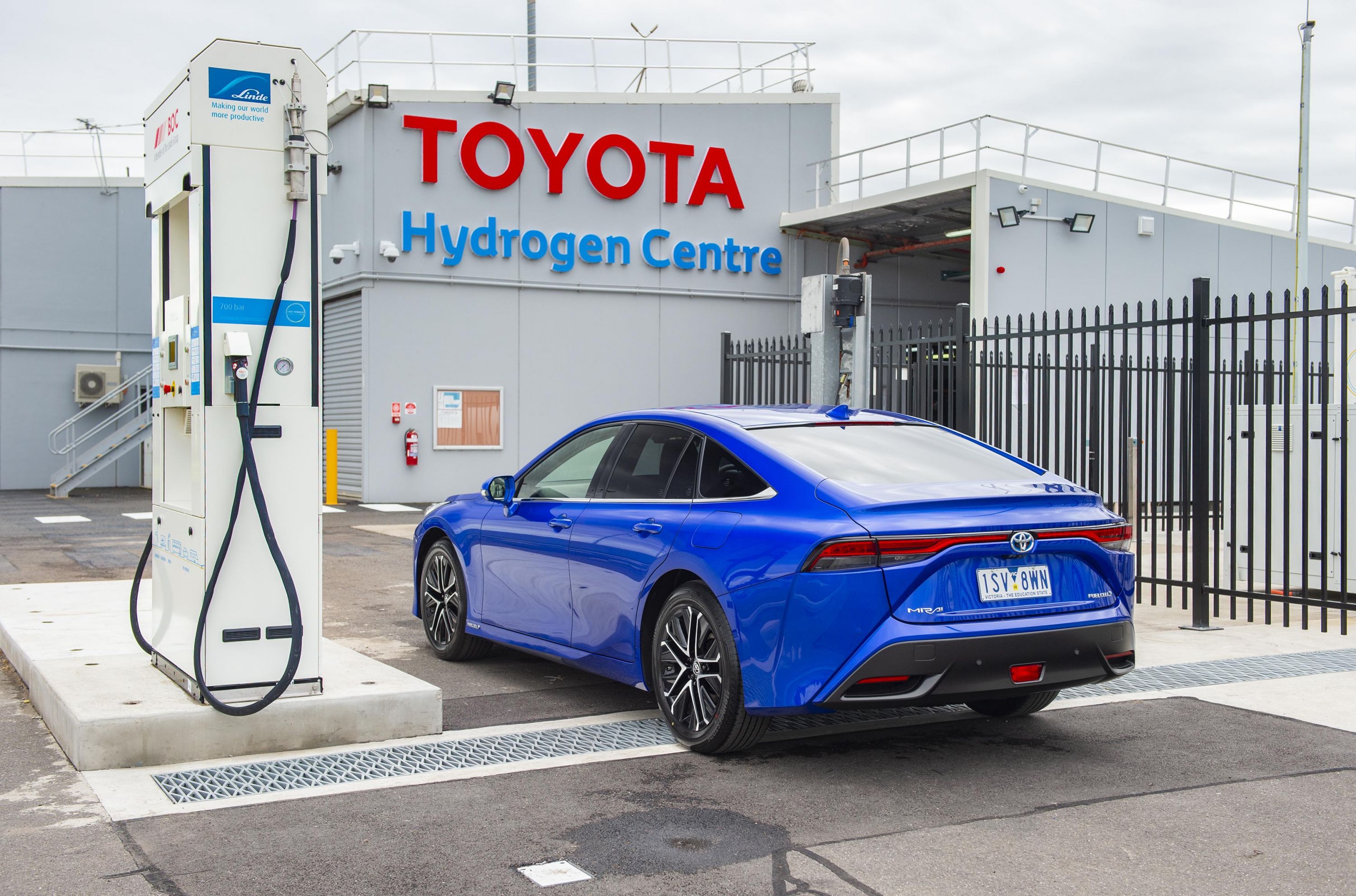
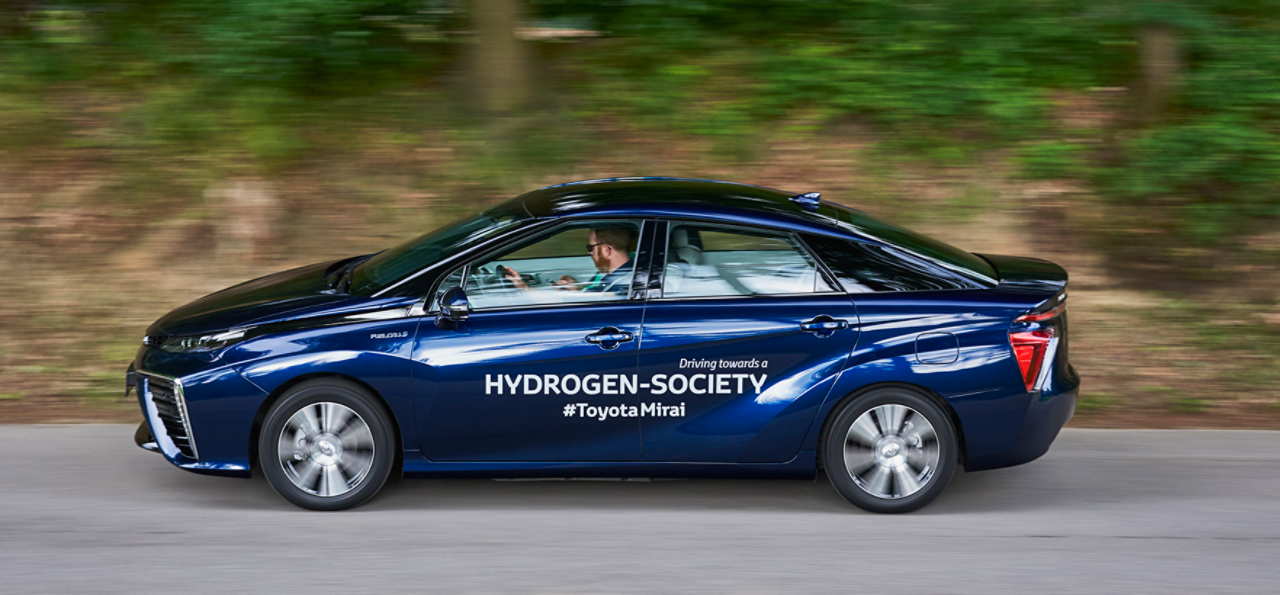
Hydrogen Cars Toyota
The Financial Times opens up a debate around H2 buses in Tokyo. «Fuel costs 2.6 times higher over diesel One hundred Toyota hydrogen buses are running around Olympic Tokyo. But costs are an issue. As the Financial Times points out, «A fuel cell bus from Toyota costs ¥100m ($900,000) for a six-year lease. A diesel bus costs ¥24m ($220,000) and has a useful life of 15 years. Fuel cell.
In an interview with the Financial Times, Yamagata estimated that hydrogen fuel for transport in Japan costs ¥2,000 ($13.89) per kilogram. Meanwhile, he puts the cost of H 2 in China at ¥500-1,000 per kilo, although this includes by-product H 2, which he attributes to a greater level of government support for the sector.
Toyota, the world's largest carmaker by sales, has been the industry's foremost proponent of hydrogen vehicles, developing the technology for more than 30 years and selling 28,000 Mirai fuel.
"China is the most advanced in the world for hydrogen trucks," Yamagata said, per the Financial Times. The statement has that much more gravity when you compare the Chinese hydrogen vehicle industry to other markets. According to Electrek, China's appetite for hydrogen fuel cell-powered trucks and buses accounted for over 7,000 vehicles.
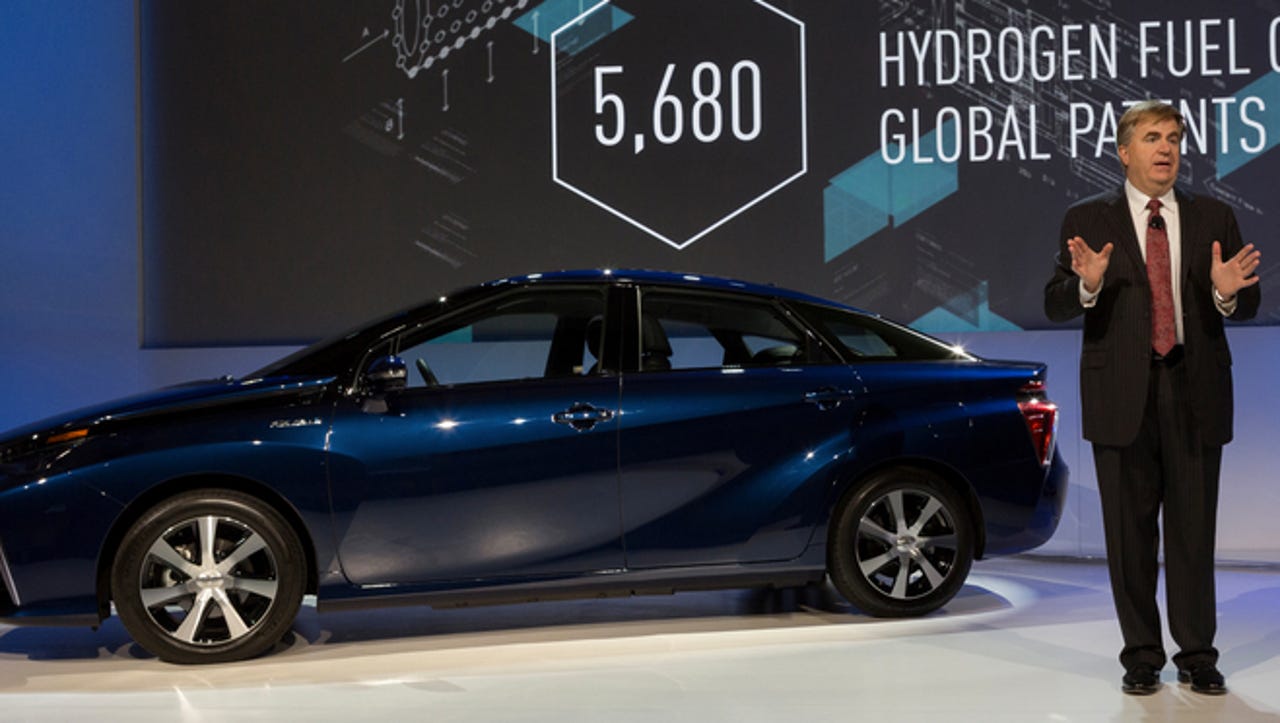
Toyota Pushes Hydrogen Fuel Cell Cars With Open Patent Portfolio | ZDNET
However, some automakers, including Toyota, are considering hydrogen.
Toyota's hydrogen chief, Mitsumasa Yamagata, has warned that without urgent investment, countries risk ceding leadership in hydrogen vehicle technology to China, just as they did with battery-electric vehicles. In an interview with the Financial Times, Yamagata highlighted China's rapid progress: government-backed "hydrogen highways," a growing refueling network, and lower fuel costs.
"China is the most advanced in the world for hydrogen trucks," Yamagata said, per the Financial Times. The statement has that much more gravity when you compare the Chinese hydrogen vehicle industry to other markets. According to Electrek, China's appetite for hydrogen fuel cell-powered trucks and buses accounted for over 7,000 vehicles.
Toyota, the world's largest carmaker by sales, has been the industry's foremost proponent of hydrogen vehicles, developing the technology for more than 30 years and selling 28,000 Mirai fuel.
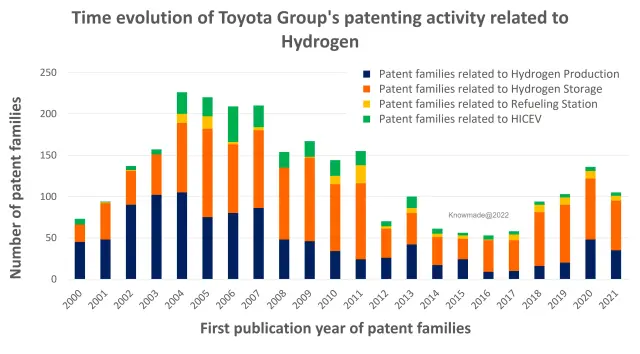
Toyota's Patents On Hydrogen-based Fuel-cell For Electric Vehicles
In an interview with the Financial Times, Yamagata estimated that hydrogen fuel for transport in Japan costs ¥2,000 ($13.89) per kilogram. Meanwhile, he puts the cost of H 2 in China at ¥500-1,000 per kilo, although this includes by-product H 2, which he attributes to a greater level of government support for the sector.
"China is the most advanced in the world for hydrogen trucks," Yamagata said, per the Financial Times. The statement has that much more gravity when you compare the Chinese hydrogen vehicle industry to other markets. According to Electrek, China's appetite for hydrogen fuel cell-powered trucks and buses accounted for over 7,000 vehicles.
Toyota is also working with Isuzu Motors to mass produce a light-duty hydrogen fuel cell truck later this decade and has secured deals to supply hydrogen buses in Tokyo, Strasbourg and Madrid. "On all levels, hydrogen has been a failure for passenger cars," said James Hong, head of Asia energy transition and commodities at Macquarie Capital.
Toyota Motor (NYSE:TM) reinforced its commitment to hydrogen at the 2025 Hydrogen and Fuel Cell Seminar, laying out a roadmap for expanding its fuel cell technology across multiple industries.
Toyota: Hydrogen Fuel Hardy
Toyota is also working with Isuzu Motors to mass produce a light-duty hydrogen fuel cell truck later this decade and has secured deals to supply hydrogen buses in Tokyo, Strasbourg and Madrid. "On all levels, hydrogen has been a failure for passenger cars," said James Hong, head of Asia energy transition and commodities at Macquarie Capital.
In an interview with the Financial Times, Yamagata estimated that hydrogen fuel for transport in Japan costs ¥2,000 ($13.89) per kilogram. Meanwhile, he puts the cost of H 2 in China at ¥500-1,000 per kilo, although this includes by-product H 2, which he attributes to a greater level of government support for the sector.
Toyota's Commitment to Hydrogen Technology Toyota has long been a pioneer in alternative fuel technologies. From the launch of the Prius in 1997 to the debut of the hydrogen-powered Toyota Mirai in 2014, the company has consistently pushed the boundaries of automotive innovation. Why Toyota is focusing on hydrogen: Diverse Energy Ecosystem: Toyota believes hydrogen complements EVs in the.
The Financial Times opens up a debate around H2 buses in Tokyo. «Fuel costs 2.6 times higher over diesel One hundred Toyota hydrogen buses are running around Olympic Tokyo. But costs are an issue. As the Financial Times points out, «A fuel cell bus from Toyota costs ¥100m ($900,000) for a six-year lease. A diesel bus costs ¥24m ($220,000) and has a useful life of 15 years. Fuel cell.
Toyota Motor (NYSE:TM) reinforced its commitment to hydrogen at the 2025 Hydrogen and Fuel Cell Seminar, laying out a roadmap for expanding its fuel cell technology across multiple industries.
Toyota's Commitment to Hydrogen Technology Toyota has long been a pioneer in alternative fuel technologies. From the launch of the Prius in 1997 to the debut of the hydrogen-powered Toyota Mirai in 2014, the company has consistently pushed the boundaries of automotive innovation. Why Toyota is focusing on hydrogen: Diverse Energy Ecosystem: Toyota believes hydrogen complements EVs in the.
Toyota's hydrogen chief, Mitsumasa Yamagata, has warned that without urgent investment, countries risk ceding leadership in hydrogen vehicle technology to China, just as they did with battery-electric vehicles. In an interview with the Financial Times, Yamagata highlighted China's rapid progress: government-backed "hydrogen highways," a growing refueling network, and lower fuel costs.
However, some automakers, including Toyota, are considering hydrogen.
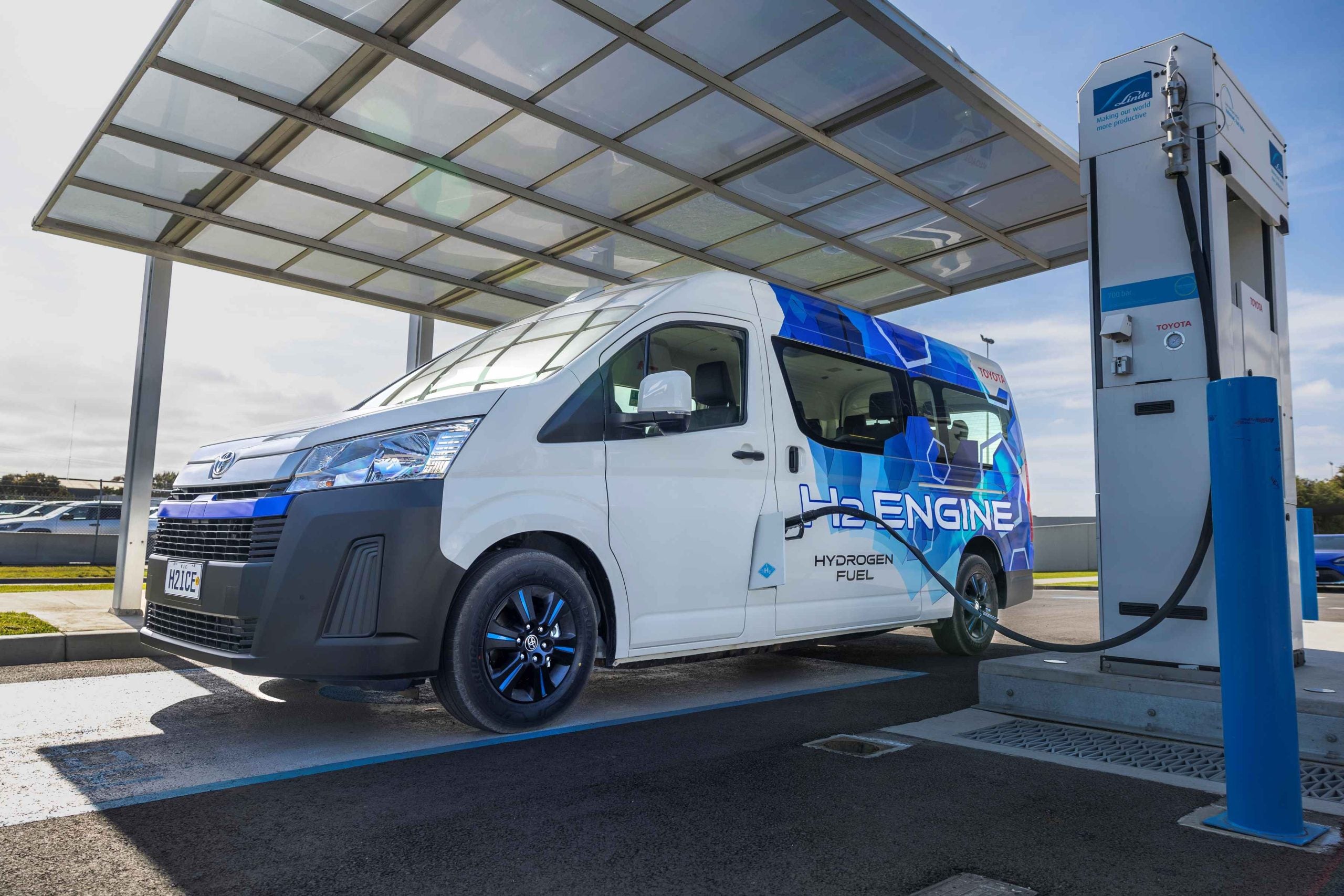
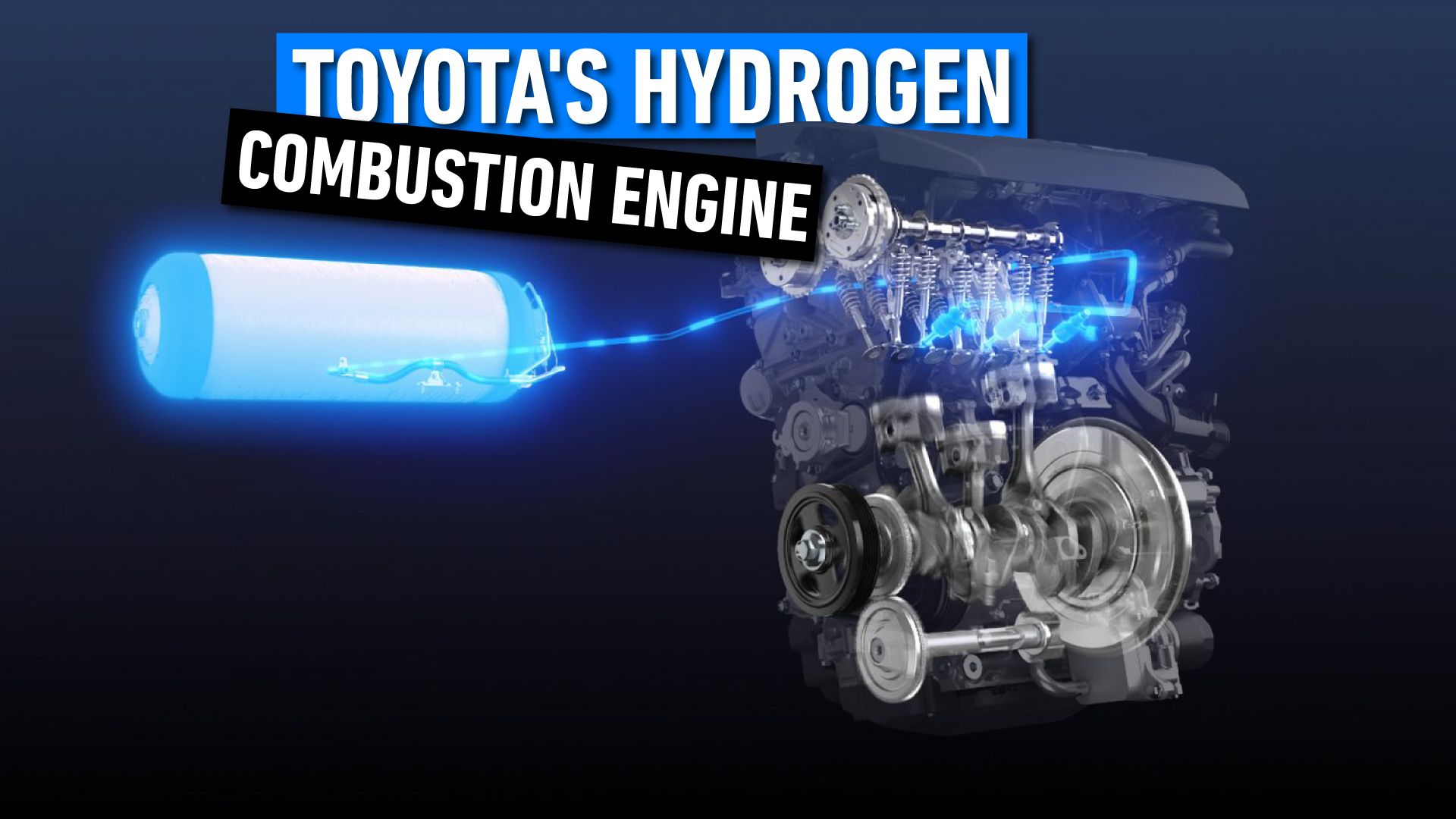
Toyota Thinks A Hydrogen Land Cruiser With Combustion…
However, some automakers, including Toyota, are considering hydrogen.
In an interview with the Financial Times, Yamagata estimated that hydrogen fuel for transport in Japan costs ¥2,000 ($13.89) per kilogram. Meanwhile, he puts the cost of H 2 in China at ¥500-1,000 per kilo, although this includes by-product H 2, which he attributes to a greater level of government support for the sector.
Toyota, the world's largest carmaker by sales, has been the industry's foremost proponent of hydrogen vehicles, developing the technology for more than 30 years and selling 28,000 Mirai fuel.
Toyota Motor (NYSE:TM) reinforced its commitment to hydrogen at the 2025 Hydrogen and Fuel Cell Seminar, laying out a roadmap for expanding its fuel cell technology across multiple industries.
11 Điều Cần Biết Về Động Cơ Đốt Hydro Của Toyota
Toyota, the world's largest carmaker by sales, has been the industry's foremost proponent of hydrogen vehicles, developing the technology for more than 30 years and selling 28,000 Mirai fuel.
However, some automakers, including Toyota, are considering hydrogen.
Toyota's Commitment to Hydrogen Technology Toyota has long been a pioneer in alternative fuel technologies. From the launch of the Prius in 1997 to the debut of the hydrogen-powered Toyota Mirai in 2014, the company has consistently pushed the boundaries of automotive innovation. Why Toyota is focusing on hydrogen: Diverse Energy Ecosystem: Toyota believes hydrogen complements EVs in the.
Toyota's hydrogen chief, Mitsumasa Yamagata, has warned that without urgent investment, countries risk ceding leadership in hydrogen vehicle technology to China, just as they did with battery-electric vehicles. In an interview with the Financial Times, Yamagata highlighted China's rapid progress: government-backed "hydrogen highways," a growing refueling network, and lower fuel costs.
Toyota's Commitment to Hydrogen Technology Toyota has long been a pioneer in alternative fuel technologies. From the launch of the Prius in 1997 to the debut of the hydrogen-powered Toyota Mirai in 2014, the company has consistently pushed the boundaries of automotive innovation. Why Toyota is focusing on hydrogen: Diverse Energy Ecosystem: Toyota believes hydrogen complements EVs in the.
Toyota Motor (NYSE:TM) reinforced its commitment to hydrogen at the 2025 Hydrogen and Fuel Cell Seminar, laying out a roadmap for expanding its fuel cell technology across multiple industries.
In an interview with the Financial Times, Yamagata estimated that hydrogen fuel for transport in Japan costs ¥2,000 ($13.89) per kilogram. Meanwhile, he puts the cost of H 2 in China at ¥500-1,000 per kilo, although this includes by-product H 2, which he attributes to a greater level of government support for the sector.
"China is the most advanced in the world for hydrogen trucks," Yamagata said, per the Financial Times. The statement has that much more gravity when you compare the Chinese hydrogen vehicle industry to other markets. According to Electrek, China's appetite for hydrogen fuel cell-powered trucks and buses accounted for over 7,000 vehicles.
The ABC Of Hydrogen | Toyota Europe
In an interview with the Financial Times, Yamagata estimated that hydrogen fuel for transport in Japan costs ¥2,000 ($13.89) per kilogram. Meanwhile, he puts the cost of H 2 in China at ¥500-1,000 per kilo, although this includes by-product H 2, which he attributes to a greater level of government support for the sector.
Toyota's Commitment to Hydrogen Technology Toyota has long been a pioneer in alternative fuel technologies. From the launch of the Prius in 1997 to the debut of the hydrogen-powered Toyota Mirai in 2014, the company has consistently pushed the boundaries of automotive innovation. Why Toyota is focusing on hydrogen: Diverse Energy Ecosystem: Toyota believes hydrogen complements EVs in the.
"China is the most advanced in the world for hydrogen trucks," Yamagata said, per the Financial Times. The statement has that much more gravity when you compare the Chinese hydrogen vehicle industry to other markets. According to Electrek, China's appetite for hydrogen fuel cell-powered trucks and buses accounted for over 7,000 vehicles.
Toyota Motor (NYSE:TM) reinforced its commitment to hydrogen at the 2025 Hydrogen and Fuel Cell Seminar, laying out a roadmap for expanding its fuel cell technology across multiple industries.
Toyota, the world's largest carmaker by sales, has been the industry's foremost proponent of hydrogen vehicles, developing the technology for more than 30 years and selling 28,000 Mirai fuel.
However, some automakers, including Toyota, are considering hydrogen.
In an interview with the Financial Times, Yamagata estimated that hydrogen fuel for transport in Japan costs ¥2,000 ($13.89) per kilogram. Meanwhile, he puts the cost of H 2 in China at ¥500-1,000 per kilo, although this includes by-product H 2, which he attributes to a greater level of government support for the sector.
Toyota Motor (NYSE:TM) reinforced its commitment to hydrogen at the 2025 Hydrogen and Fuel Cell Seminar, laying out a roadmap for expanding its fuel cell technology across multiple industries.
Toyota And Japan's Mega Banks Join Body To Fund Hydrogen Projects ...
Toyota is also working with Isuzu Motors to mass produce a light-duty hydrogen fuel cell truck later this decade and has secured deals to supply hydrogen buses in Tokyo, Strasbourg and Madrid. "On all levels, hydrogen has been a failure for passenger cars," said James Hong, head of Asia energy transition and commodities at Macquarie Capital.
"China is the most advanced in the world for hydrogen trucks," Yamagata said, per the Financial Times. The statement has that much more gravity when you compare the Chinese hydrogen vehicle industry to other markets. According to Electrek, China's appetite for hydrogen fuel cell-powered trucks and buses accounted for over 7,000 vehicles.
The Financial Times opens up a debate around H2 buses in Tokyo. «Fuel costs 2.6 times higher over diesel One hundred Toyota hydrogen buses are running around Olympic Tokyo. But costs are an issue. As the Financial Times points out, «A fuel cell bus from Toyota costs ¥100m ($900,000) for a six-year lease. A diesel bus costs ¥24m ($220,000) and has a useful life of 15 years. Fuel cell.
Toyota's Commitment to Hydrogen Technology Toyota has long been a pioneer in alternative fuel technologies. From the launch of the Prius in 1997 to the debut of the hydrogen-powered Toyota Mirai in 2014, the company has consistently pushed the boundaries of automotive innovation. Why Toyota is focusing on hydrogen: Diverse Energy Ecosystem: Toyota believes hydrogen complements EVs in the.
Toyota's hydrogen chief, Mitsumasa Yamagata, has warned that without urgent investment, countries risk ceding leadership in hydrogen vehicle technology to China, just as they did with battery-electric vehicles. In an interview with the Financial Times, Yamagata highlighted China's rapid progress: government-backed "hydrogen highways," a growing refueling network, and lower fuel costs.
The Financial Times opens up a debate around H2 buses in Tokyo. «Fuel costs 2.6 times higher over diesel One hundred Toyota hydrogen buses are running around Olympic Tokyo. But costs are an issue. As the Financial Times points out, «A fuel cell bus from Toyota costs ¥100m ($900,000) for a six-year lease. A diesel bus costs ¥24m ($220,000) and has a useful life of 15 years. Fuel cell.
However, some automakers, including Toyota, are considering hydrogen.
In an interview with the Financial Times, Yamagata estimated that hydrogen fuel for transport in Japan costs ¥2,000 ($13.89) per kilogram. Meanwhile, he puts the cost of H 2 in China at ¥500-1,000 per kilo, although this includes by-product H 2, which he attributes to a greater level of government support for the sector.
Toyota rethinks its bet on hydrogen The world's largest carmaker is pivoting to commercial vehicles after passenger cars fail to gain traction One of Toyota's flagship hydrogen Mirai vehicles.
Toyota Motor (NYSE:TM) reinforced its commitment to hydrogen at the 2025 Hydrogen and Fuel Cell Seminar, laying out a roadmap for expanding its fuel cell technology across multiple industries.
"China is the most advanced in the world for hydrogen trucks," Yamagata said, per the Financial Times. The statement has that much more gravity when you compare the Chinese hydrogen vehicle industry to other markets. According to Electrek, China's appetite for hydrogen fuel cell-powered trucks and buses accounted for over 7,000 vehicles.
Toyota's Commitment to Hydrogen Technology Toyota has long been a pioneer in alternative fuel technologies. From the launch of the Prius in 1997 to the debut of the hydrogen-powered Toyota Mirai in 2014, the company has consistently pushed the boundaries of automotive innovation. Why Toyota is focusing on hydrogen: Diverse Energy Ecosystem: Toyota believes hydrogen complements EVs in the.
Toyota is also working with Isuzu Motors to mass produce a light-duty hydrogen fuel cell truck later this decade and has secured deals to supply hydrogen buses in Tokyo, Strasbourg and Madrid. "On all levels, hydrogen has been a failure for passenger cars," said James Hong, head of Asia energy transition and commodities at Macquarie Capital.
Toyota, the world's largest carmaker by sales, has been the industry's foremost proponent of hydrogen vehicles, developing the technology for more than 30 years and selling 28,000 Mirai fuel.