The Toyota 4Runner V8 boasts a 4.7-liter V8 engine that produces a robust 310 horsepower and 327 lb-ft of torque. This engine offers significantly more power and torque than the V6, resulting in improved acceleration, towing capabilities, and overall driving performance.
Explore the best Toyota 4Runner engine options, comparing performance, reliability, and fuel efficiency to find your ideal choice.
The 2025 Toyota 4Runner gets two powertrain options: a 2.4-liter four-cylinder turbocharged i-FORCE variant and a 2.4-liter four-cylinder turbocharged hybrid called i-FORCE MAX. Both of these engine options offer two-wheel and partial or full four-wheel drive. The 2.4-liter i-FORCE delivers 278 horsepower and 317 pound-feet of torque, while the MAX has an output of 326 horsepower and 465 lb.
Explore the 2025 Toyota 4Runner engine options, including 3.5L V6, 5.7L V8, and hybrid engine technology. Learn about performance, features, and maintenance.
Not every single 4 th -gen Toyota 4Runner with a V6 suffers a head gasket failure. If you're interested in a used 2003-2009 4Runner, especially a 2003-2005 one, there are signs indicating a head gasket failure. These include leaking coolant, white exhaust smoke, an overheating and/or poorly-running engine, and bubbles in the radiator or overflow tank.
Explore the best Toyota 4Runner engine options, comparing performance, reliability, and fuel efficiency to find your ideal choice.
How is the 4.0 V6 in the Longevity Department Discussion in ' General 4Runner Talk ' started by Supernootz, Mar 7, 2020.
The Toyota 4Runner V8 boasts a 4.7-liter V8 engine that produces a robust 310 horsepower and 327 lb-ft of torque. This engine offers significantly more power and torque than the V6, resulting in improved acceleration, towing capabilities, and overall driving performance.
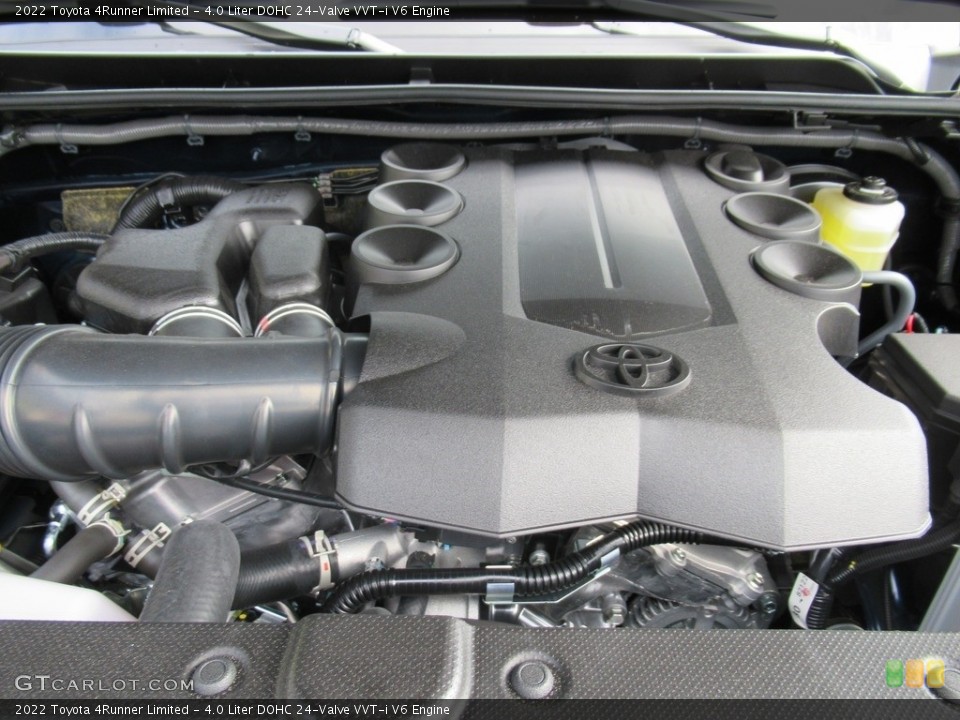
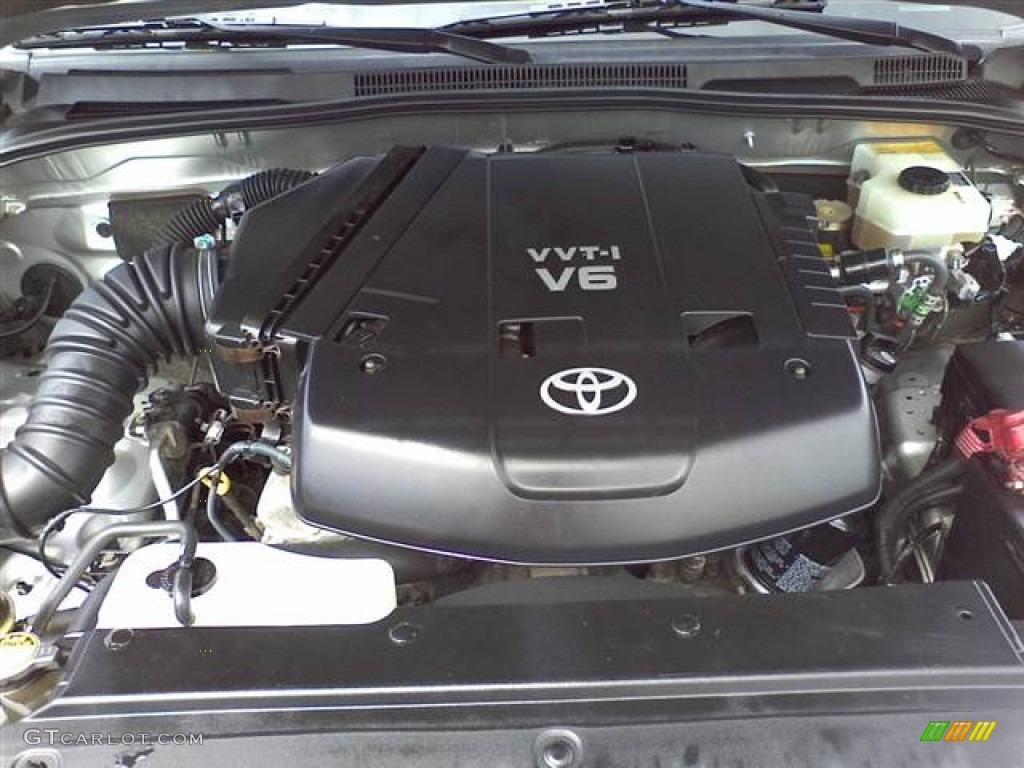
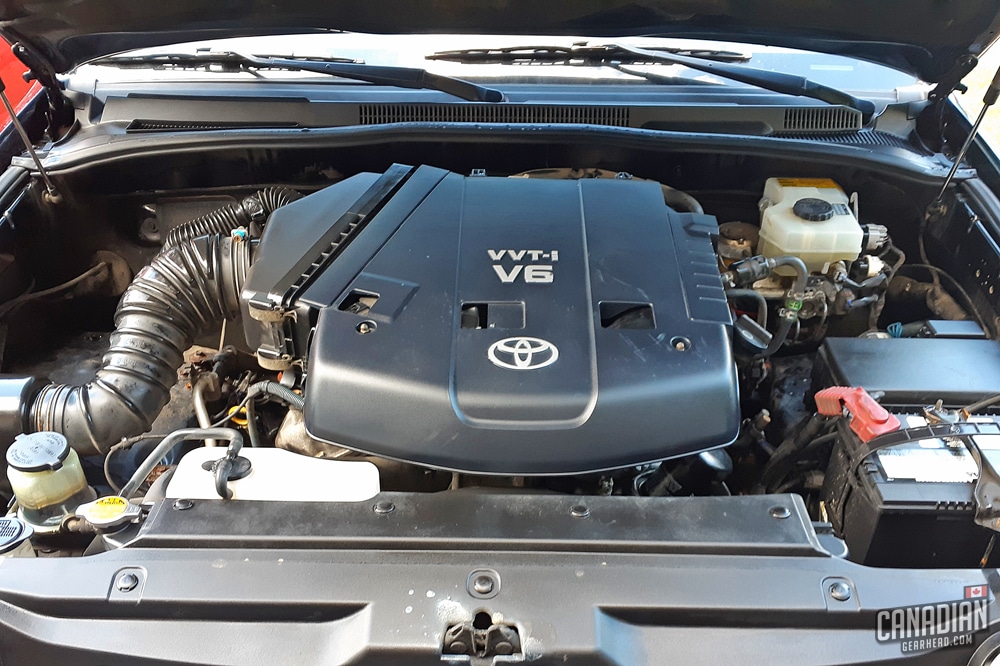
The engine, designated the 1GR-FE, is a DOHC (Double Overhead Camshaft) 24-valve V6 with Variable Valve Timing with intelligence (VVT-i). This technology optimizes valve timing based on engine speed and load, contributing to improved fuel efficiency (though, admittedly, the 4Runner isn't known for its stellar gas mileage) and a broader torque curve.
Explore the best Toyota 4Runner engine options, comparing performance, reliability, and fuel efficiency to find your ideal choice.
The reality is that both the 4.0 V6 and 4.7 V8 are great performing and reliable engines. The V6 is more fuel-efficient and requires slightly less maintenance while the V8 is smoother and offers better performance. You can't go wrong with either - it all depends on how you use your 4runner. Toyota 4.0L V6 vs 4.7 V8: Which Engine Is Better?
How is the 4.0 V6 in the Longevity Department Discussion in ' General 4Runner Talk ' started by Supernootz, Mar 7, 2020.
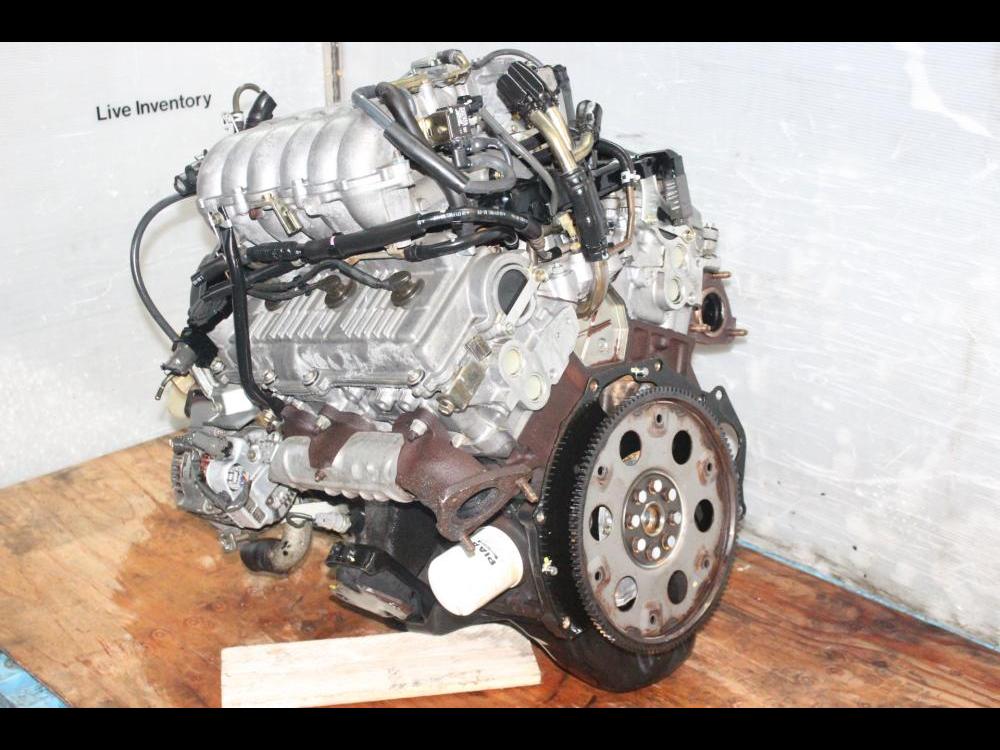
JDM Toyota 4Runner 3.4L V6 5VZ-E Engine - JDM Engines And Transmissions ...
How is the 4.0 V6 in the Longevity Department Discussion in ' General 4Runner Talk ' started by Supernootz, Mar 7, 2020.
In-depth review of the 1GR-FE 4.0 V6 Engine (2002-present 4Runner, Tundra, Tacoma). Complete specs, features, oil, common problems, longevity.
Explore the best Toyota 4Runner engine options, comparing performance, reliability, and fuel efficiency to find your ideal choice.
The 2025 Toyota 4Runner gets two powertrain options: a 2.4-liter four-cylinder turbocharged i-FORCE variant and a 2.4-liter four-cylinder turbocharged hybrid called i-FORCE MAX. Both of these engine options offer two-wheel and partial or full four-wheel drive. The 2.4-liter i-FORCE delivers 278 horsepower and 317 pound-feet of torque, while the MAX has an output of 326 horsepower and 465 lb.
5VZ-FE 3.4L V6 ENGINE, TOYOTA 4RUNNER, TACOMA, T-100 | Engine Land
Not every single 4 th -gen Toyota 4Runner with a V6 suffers a head gasket failure. If you're interested in a used 2003-2009 4Runner, especially a 2003-2005 one, there are signs indicating a head gasket failure. These include leaking coolant, white exhaust smoke, an overheating and/or poorly-running engine, and bubbles in the radiator or overflow tank.
The Toyota 4.0L V6 was introduced to the world in the 2002 Toyota 4Runner/Land Cruiser, ushering in a new Toyota V6 engine series. The GR platform was heavily inspired by the VZ and MZ V6 engine series that preceded it. Along with that came unparalleled reliability, smooth power delivery, and new technological innovations that Toyota V6s have been praised for decades about. In this guide, we.
The engine, designated the 1GR-FE, is a DOHC (Double Overhead Camshaft) 24-valve V6 with Variable Valve Timing with intelligence (VVT-i). This technology optimizes valve timing based on engine speed and load, contributing to improved fuel efficiency (though, admittedly, the 4Runner isn't known for its stellar gas mileage) and a broader torque curve.
Explore the best Toyota 4Runner engine options, comparing performance, reliability, and fuel efficiency to find your ideal choice.
2025 Toyota 4Runner Hybrid Engine: Everything To Know About The I-Force MAX
The engine, designated the 1GR-FE, is a DOHC (Double Overhead Camshaft) 24-valve V6 with Variable Valve Timing with intelligence (VVT-i). This technology optimizes valve timing based on engine speed and load, contributing to improved fuel efficiency (though, admittedly, the 4Runner isn't known for its stellar gas mileage) and a broader torque curve.
The Toyota 4.0L V6 was introduced to the world in the 2002 Toyota 4Runner/Land Cruiser, ushering in a new Toyota V6 engine series. The GR platform was heavily inspired by the VZ and MZ V6 engine series that preceded it. Along with that came unparalleled reliability, smooth power delivery, and new technological innovations that Toyota V6s have been praised for decades about. In this guide, we.
The reality is that both the 4.0 V6 and 4.7 V8 are great performing and reliable engines. The V6 is more fuel-efficient and requires slightly less maintenance while the V8 is smoother and offers better performance. You can't go wrong with either - it all depends on how you use your 4runner. Toyota 4.0L V6 vs 4.7 V8: Which Engine Is Better?
In-depth review of the 1GR-FE 4.0 V6 Engine (2002-present 4Runner, Tundra, Tacoma). Complete specs, features, oil, common problems, longevity.
4.0L V6 1GR-FE Engine - Toyota 4Runner SUV | For More, Check??? | Flickr
The engine, designated the 1GR-FE, is a DOHC (Double Overhead Camshaft) 24-valve V6 with Variable Valve Timing with intelligence (VVT-i). This technology optimizes valve timing based on engine speed and load, contributing to improved fuel efficiency (though, admittedly, the 4Runner isn't known for its stellar gas mileage) and a broader torque curve.
Explore the 2025 Toyota 4Runner engine options, including 3.5L V6, 5.7L V8, and hybrid engine technology. Learn about performance, features, and maintenance.
Not every single 4 th -gen Toyota 4Runner with a V6 suffers a head gasket failure. If you're interested in a used 2003-2009 4Runner, especially a 2003-2005 one, there are signs indicating a head gasket failure. These include leaking coolant, white exhaust smoke, an overheating and/or poorly-running engine, and bubbles in the radiator or overflow tank.
The 2025 Toyota 4Runner gets two powertrain options: a 2.4-liter four-cylinder turbocharged i-FORCE variant and a 2.4-liter four-cylinder turbocharged hybrid called i-FORCE MAX. Both of these engine options offer two-wheel and partial or full four-wheel drive. The 2.4-liter i-FORCE delivers 278 horsepower and 317 pound-feet of torque, while the MAX has an output of 326 horsepower and 465 lb.
In-depth review of the 1GR-FE 4.0 V6 Engine (2002-present 4Runner, Tundra, Tacoma). Complete specs, features, oil, common problems, longevity.
The reality is that both the 4.0 V6 and 4.7 V8 are great performing and reliable engines. The V6 is more fuel-efficient and requires slightly less maintenance while the V8 is smoother and offers better performance. You can't go wrong with either - it all depends on how you use your 4runner. Toyota 4.0L V6 vs 4.7 V8: Which Engine Is Better?
The 2025 Toyota 4Runner gets two powertrain options: a 2.4-liter four-cylinder turbocharged i-FORCE variant and a 2.4-liter four-cylinder turbocharged hybrid called i-FORCE MAX. Both of these engine options offer two-wheel and partial or full four-wheel drive. The 2.4-liter i-FORCE delivers 278 horsepower and 317 pound-feet of torque, while the MAX has an output of 326 horsepower and 465 lb.
Explore the best Toyota 4Runner engine options, comparing performance, reliability, and fuel efficiency to find your ideal choice.
Explore the 2025 Toyota 4Runner engine options, including 3.5L V6, 5.7L V8, and hybrid engine technology. Learn about performance, features, and maintenance.
The Toyota 4.0L V6 was introduced to the world in the 2002 Toyota 4Runner/Land Cruiser, ushering in a new Toyota V6 engine series. The GR platform was heavily inspired by the VZ and MZ V6 engine series that preceded it. Along with that came unparalleled reliability, smooth power delivery, and new technological innovations that Toyota V6s have been praised for decades about. In this guide, we.
Explore the best Toyota 4Runner engine options, comparing performance, reliability, and fuel efficiency to find your ideal choice.
Not every single 4 th -gen Toyota 4Runner with a V6 suffers a head gasket failure. If you're interested in a used 2003-2009 4Runner, especially a 2003-2005 one, there are signs indicating a head gasket failure. These include leaking coolant, white exhaust smoke, an overheating and/or poorly-running engine, and bubbles in the radiator or overflow tank.
The Ultimate 4th Gen Toyota 4runner Buyers Guide
Explore the 2025 Toyota 4Runner engine options, including 3.5L V6, 5.7L V8, and hybrid engine technology. Learn about performance, features, and maintenance.
How is the 4.0 V6 in the Longevity Department Discussion in ' General 4Runner Talk ' started by Supernootz, Mar 7, 2020.
Explore the best Toyota 4Runner engine options, comparing performance, reliability, and fuel efficiency to find your ideal choice.
The reality is that both the 4.0 V6 and 4.7 V8 are great performing and reliable engines. The V6 is more fuel-efficient and requires slightly less maintenance while the V8 is smoother and offers better performance. You can't go wrong with either - it all depends on how you use your 4runner. Toyota 4.0L V6 vs 4.7 V8: Which Engine Is Better?
Explore the 2025 Toyota 4Runner engine options, including 3.5L V6, 5.7L V8, and hybrid engine technology. Learn about performance, features, and maintenance.
The reality is that both the 4.0 V6 and 4.7 V8 are great performing and reliable engines. The V6 is more fuel-efficient and requires slightly less maintenance while the V8 is smoother and offers better performance. You can't go wrong with either - it all depends on how you use your 4runner. Toyota 4.0L V6 vs 4.7 V8: Which Engine Is Better?
Explore the best Toyota 4Runner engine options, comparing performance, reliability, and fuel efficiency to find your ideal choice.
In-depth review of the 1GR-FE 4.0 V6 Engine (2002-present 4Runner, Tundra, Tacoma). Complete specs, features, oil, common problems, longevity.
01-02 Toyota 4Runner 3.4L V6 5VZ-FE Complete Engine Motor Assembly 1678 ...
In-depth review of the 1GR-FE 4.0 V6 Engine (2002-present 4Runner, Tundra, Tacoma). Complete specs, features, oil, common problems, longevity.
The reality is that both the 4.0 V6 and 4.7 V8 are great performing and reliable engines. The V6 is more fuel-efficient and requires slightly less maintenance while the V8 is smoother and offers better performance. You can't go wrong with either - it all depends on how you use your 4runner. Toyota 4.0L V6 vs 4.7 V8: Which Engine Is Better?
The Toyota 4.0L V6 was introduced to the world in the 2002 Toyota 4Runner/Land Cruiser, ushering in a new Toyota V6 engine series. The GR platform was heavily inspired by the VZ and MZ V6 engine series that preceded it. Along with that came unparalleled reliability, smooth power delivery, and new technological innovations that Toyota V6s have been praised for decades about. In this guide, we.
How is the 4.0 V6 in the Longevity Department Discussion in ' General 4Runner Talk ' started by Supernootz, Mar 7, 2020.
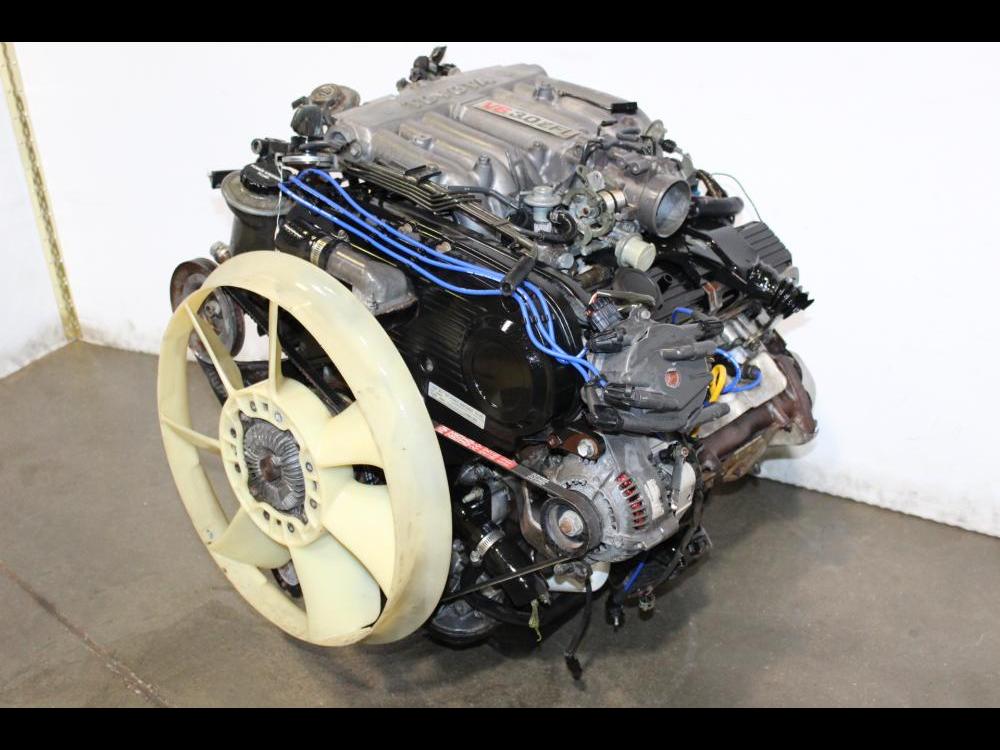
1989 1995 TOYOTA PICKUP TRUCK T100 4RUNNER V6 ENGINE 3VZE, 42% OFF
Not every single 4 th -gen Toyota 4Runner with a V6 suffers a head gasket failure. If you're interested in a used 2003-2009 4Runner, especially a 2003-2005 one, there are signs indicating a head gasket failure. These include leaking coolant, white exhaust smoke, an overheating and/or poorly-running engine, and bubbles in the radiator or overflow tank.
How is the 4.0 V6 in the Longevity Department Discussion in ' General 4Runner Talk ' started by Supernootz, Mar 7, 2020.
In-depth review of the 1GR-FE 4.0 V6 Engine (2002-present 4Runner, Tundra, Tacoma). Complete specs, features, oil, common problems, longevity.
The Toyota 4.0L V6 was introduced to the world in the 2002 Toyota 4Runner/Land Cruiser, ushering in a new Toyota V6 engine series. The GR platform was heavily inspired by the VZ and MZ V6 engine series that preceded it. Along with that came unparalleled reliability, smooth power delivery, and new technological innovations that Toyota V6s have been praised for decades about. In this guide, we.
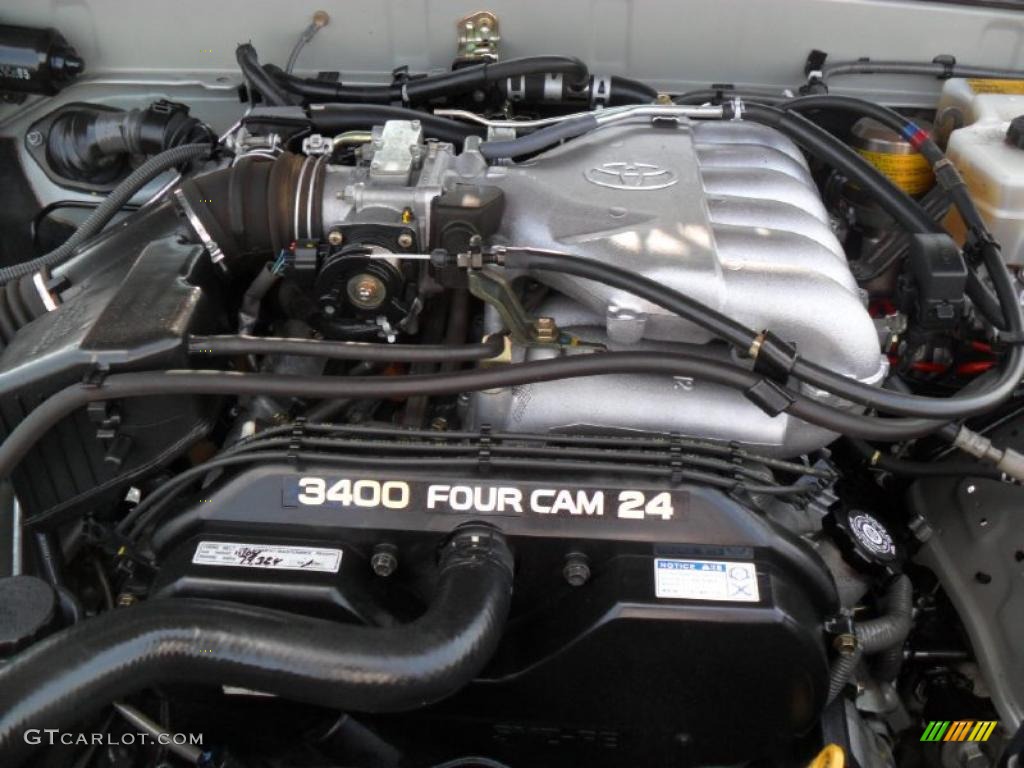
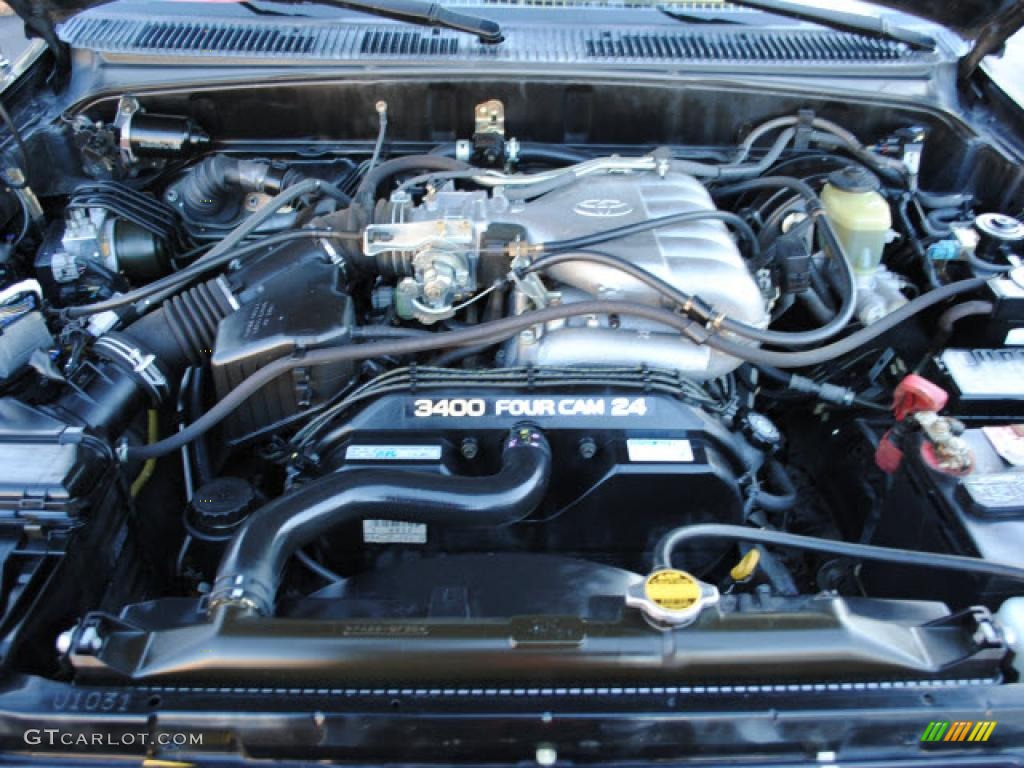
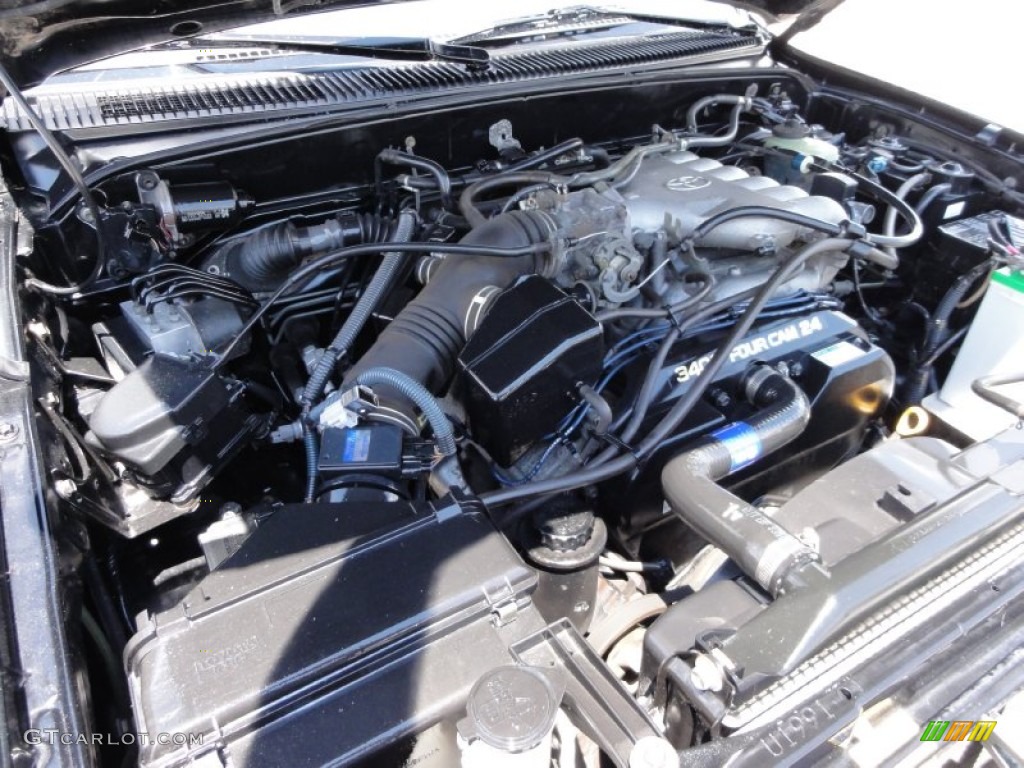
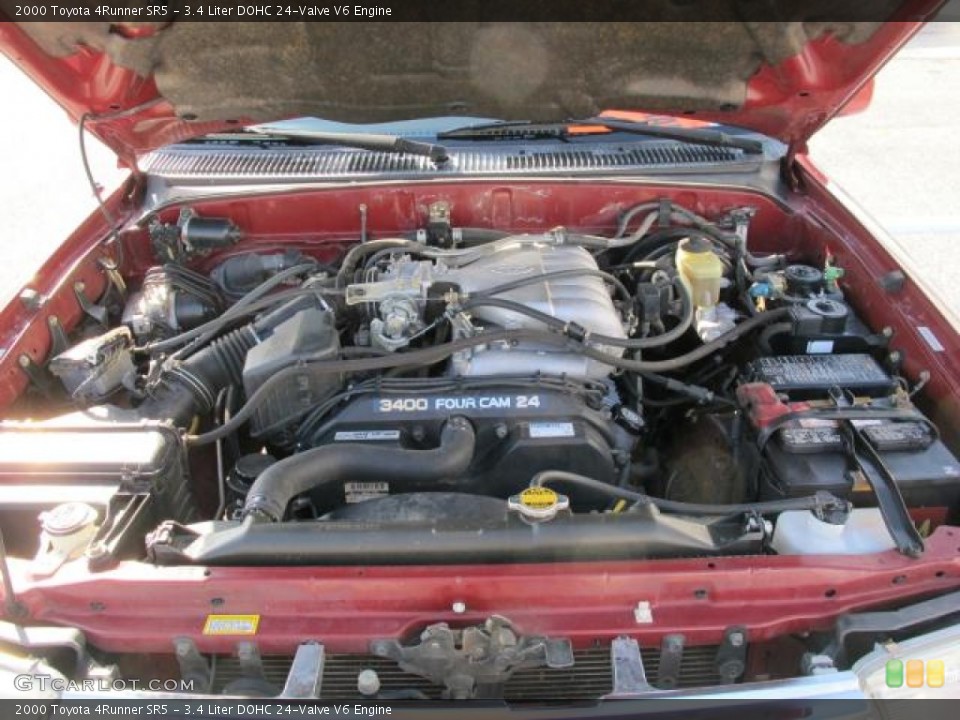
3.4 Liter DOHC 24-Valve V6 Engine For The 2000 Toyota 4Runner #56802967 ...
The engine, designated the 1GR-FE, is a DOHC (Double Overhead Camshaft) 24-valve V6 with Variable Valve Timing with intelligence (VVT-i). This technology optimizes valve timing based on engine speed and load, contributing to improved fuel efficiency (though, admittedly, the 4Runner isn't known for its stellar gas mileage) and a broader torque curve.
Explore the best Toyota 4Runner engine options, comparing performance, reliability, and fuel efficiency to find your ideal choice.
Explore the 2025 Toyota 4Runner engine options, including 3.5L V6, 5.7L V8, and hybrid engine technology. Learn about performance, features, and maintenance.
How is the 4.0 V6 in the Longevity Department Discussion in ' General 4Runner Talk ' started by Supernootz, Mar 7, 2020.
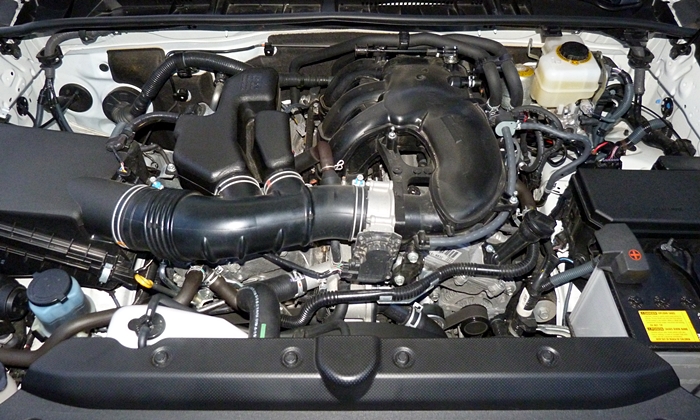
Toyota 4Runner Photos: Toyota 4Runner Engine Uncovered
The Toyota 4Runner V8 boasts a 4.7-liter V8 engine that produces a robust 310 horsepower and 327 lb-ft of torque. This engine offers significantly more power and torque than the V6, resulting in improved acceleration, towing capabilities, and overall driving performance.
Not every single 4 th -gen Toyota 4Runner with a V6 suffers a head gasket failure. If you're interested in a used 2003-2009 4Runner, especially a 2003-2005 one, there are signs indicating a head gasket failure. These include leaking coolant, white exhaust smoke, an overheating and/or poorly-running engine, and bubbles in the radiator or overflow tank.
In-depth review of the 1GR-FE 4.0 V6 Engine (2002-present 4Runner, Tundra, Tacoma). Complete specs, features, oil, common problems, longevity.
Explore the 2025 Toyota 4Runner engine options, including 3.5L V6, 5.7L V8, and hybrid engine technology. Learn about performance, features, and maintenance.
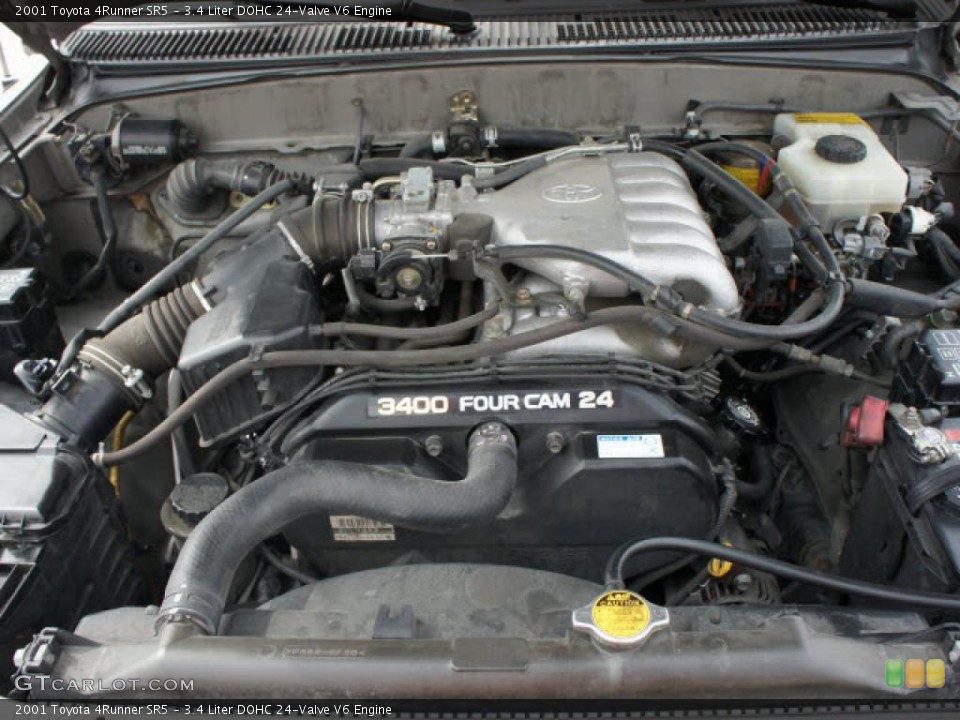
3.4 Liter DOHC 24-Valve V6 Engine For The 2001 Toyota 4Runner #46322526 ...
The Toyota 4Runner V8 boasts a 4.7-liter V8 engine that produces a robust 310 horsepower and 327 lb-ft of torque. This engine offers significantly more power and torque than the V6, resulting in improved acceleration, towing capabilities, and overall driving performance.
In-depth review of the 1GR-FE 4.0 V6 Engine (2002-present 4Runner, Tundra, Tacoma). Complete specs, features, oil, common problems, longevity.
The reality is that both the 4.0 V6 and 4.7 V8 are great performing and reliable engines. The V6 is more fuel-efficient and requires slightly less maintenance while the V8 is smoother and offers better performance. You can't go wrong with either - it all depends on how you use your 4runner. Toyota 4.0L V6 vs 4.7 V8: Which Engine Is Better?
The 2025 Toyota 4Runner gets two powertrain options: a 2.4-liter four-cylinder turbocharged i-FORCE variant and a 2.4-liter four-cylinder turbocharged hybrid called i-FORCE MAX. Both of these engine options offer two-wheel and partial or full four-wheel drive. The 2.4-liter i-FORCE delivers 278 horsepower and 317 pound-feet of torque, while the MAX has an output of 326 horsepower and 465 lb.
Not every single 4 th -gen Toyota 4Runner with a V6 suffers a head gasket failure. If you're interested in a used 2003-2009 4Runner, especially a 2003-2005 one, there are signs indicating a head gasket failure. These include leaking coolant, white exhaust smoke, an overheating and/or poorly-running engine, and bubbles in the radiator or overflow tank.
Explore the 2025 Toyota 4Runner engine options, including 3.5L V6, 5.7L V8, and hybrid engine technology. Learn about performance, features, and maintenance.
The Toyota 4Runner V8 boasts a 4.7-liter V8 engine that produces a robust 310 horsepower and 327 lb-ft of torque. This engine offers significantly more power and torque than the V6, resulting in improved acceleration, towing capabilities, and overall driving performance.
The Toyota 4.0L V6 was introduced to the world in the 2002 Toyota 4Runner/Land Cruiser, ushering in a new Toyota V6 engine series. The GR platform was heavily inspired by the VZ and MZ V6 engine series that preceded it. Along with that came unparalleled reliability, smooth power delivery, and new technological innovations that Toyota V6s have been praised for decades about. In this guide, we.
Explore the best Toyota 4Runner engine options, comparing performance, reliability, and fuel efficiency to find your ideal choice.
How is the 4.0 V6 in the Longevity Department Discussion in ' General 4Runner Talk ' started by Supernootz, Mar 7, 2020.
The reality is that both the 4.0 V6 and 4.7 V8 are great performing and reliable engines. The V6 is more fuel-efficient and requires slightly less maintenance while the V8 is smoother and offers better performance. You can't go wrong with either - it all depends on how you use your 4runner. Toyota 4.0L V6 vs 4.7 V8: Which Engine Is Better?
The 2025 Toyota 4Runner gets two powertrain options: a 2.4-liter four-cylinder turbocharged i-FORCE variant and a 2.4-liter four-cylinder turbocharged hybrid called i-FORCE MAX. Both of these engine options offer two-wheel and partial or full four-wheel drive. The 2.4-liter i-FORCE delivers 278 horsepower and 317 pound-feet of torque, while the MAX has an output of 326 horsepower and 465 lb.
In-depth review of the 1GR-FE 4.0 V6 Engine (2002-present 4Runner, Tundra, Tacoma). Complete specs, features, oil, common problems, longevity.
The engine, designated the 1GR-FE, is a DOHC (Double Overhead Camshaft) 24-valve V6 with Variable Valve Timing with intelligence (VVT-i). This technology optimizes valve timing based on engine speed and load, contributing to improved fuel efficiency (though, admittedly, the 4Runner isn't known for its stellar gas mileage) and a broader torque curve.