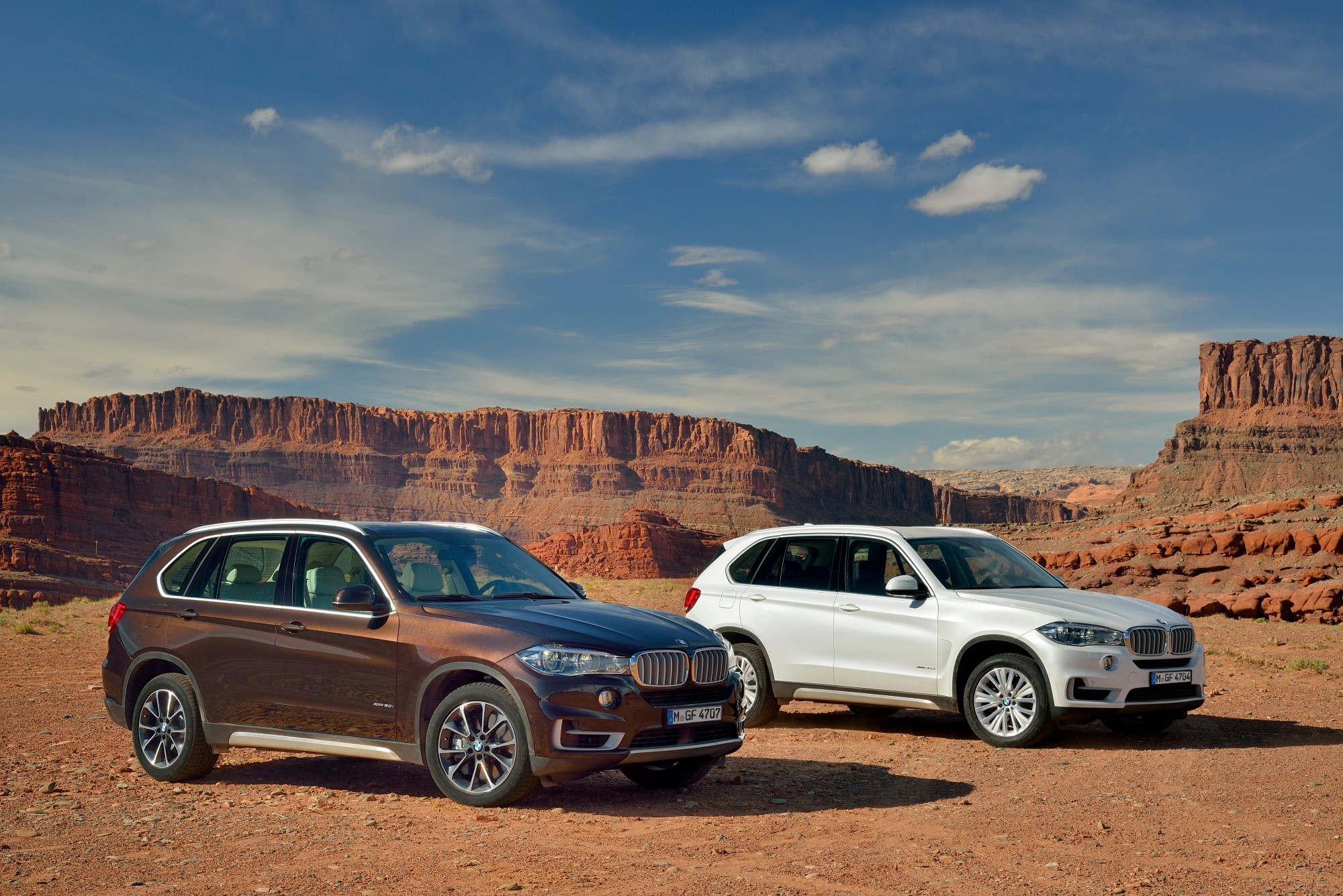
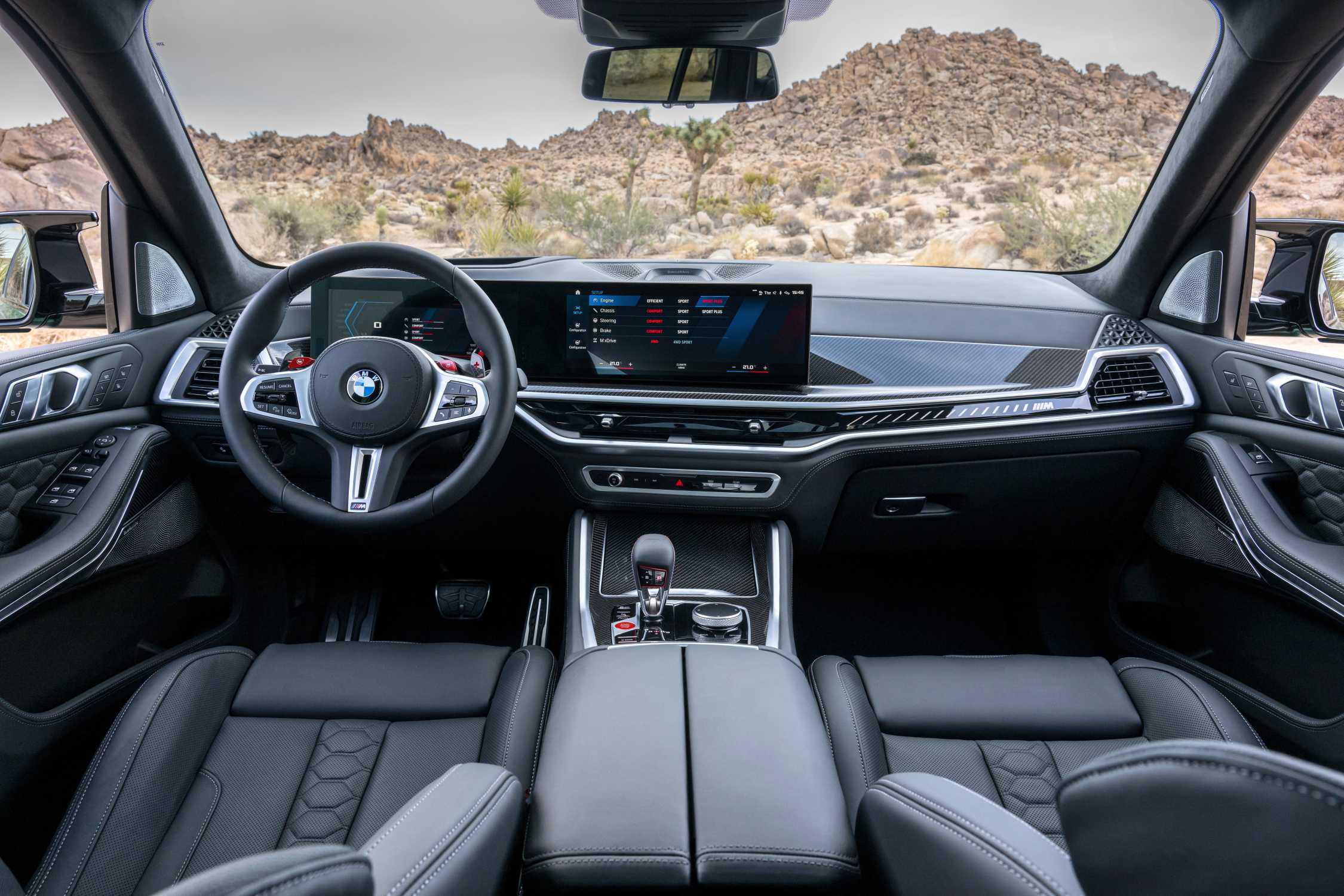
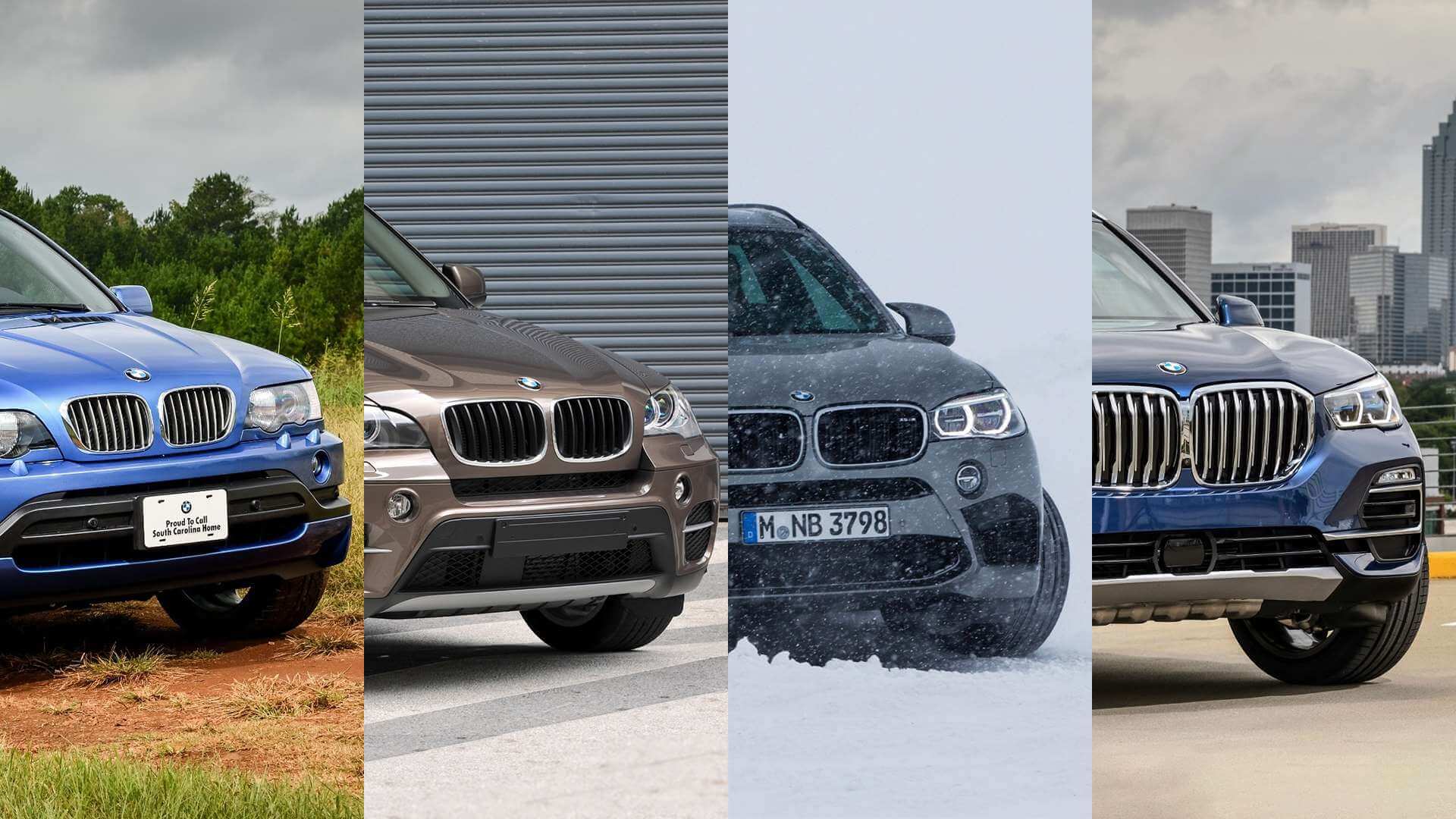
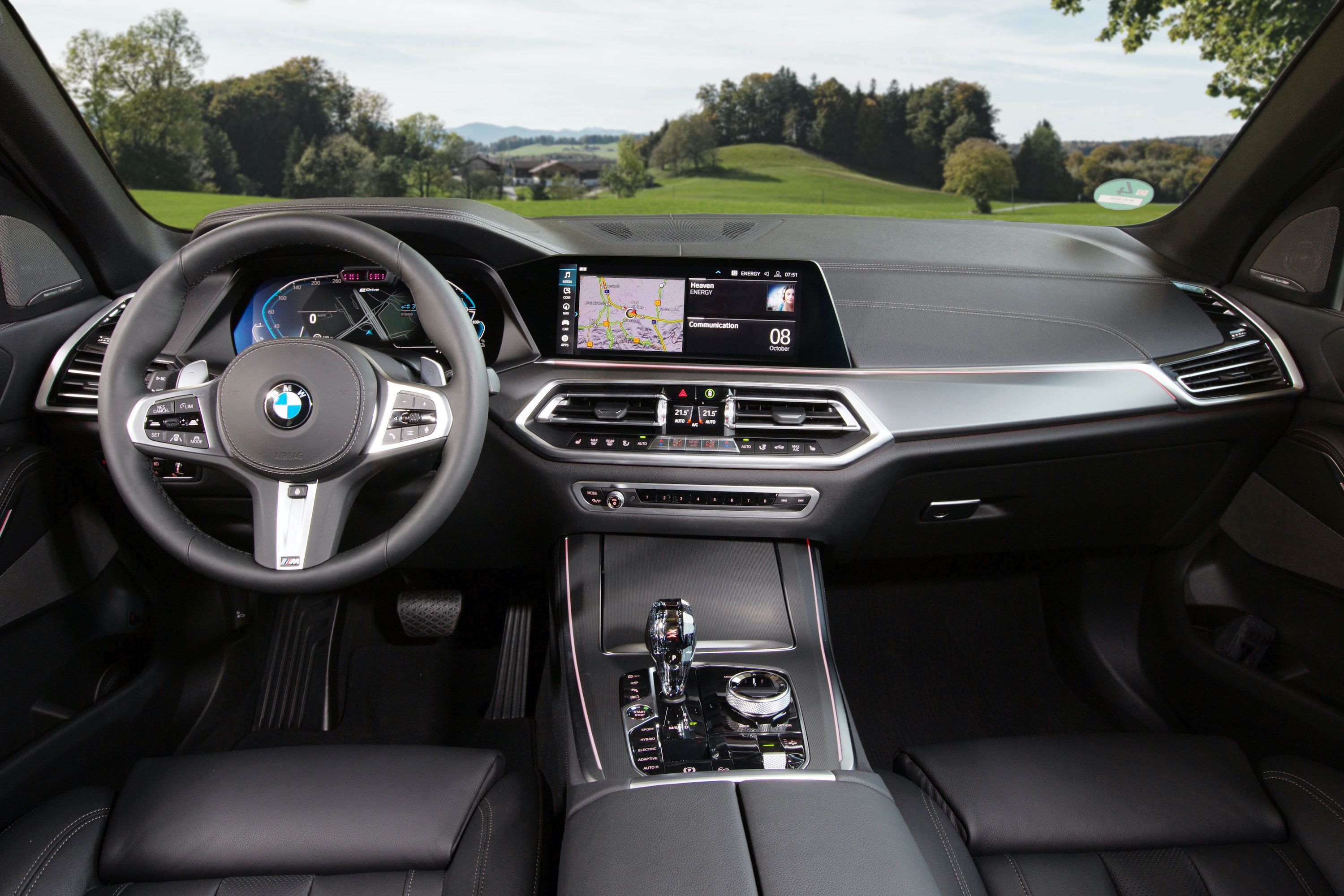
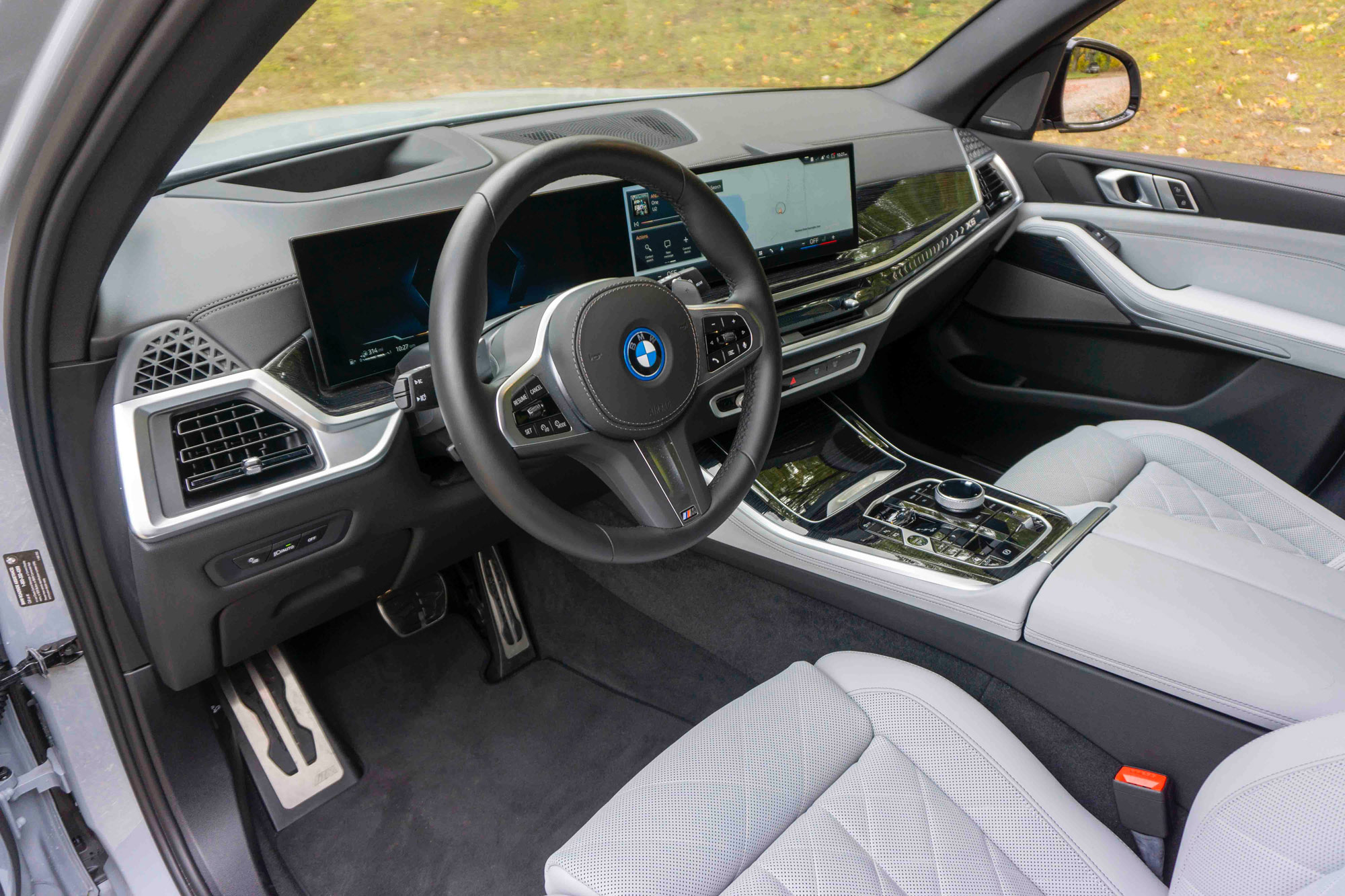
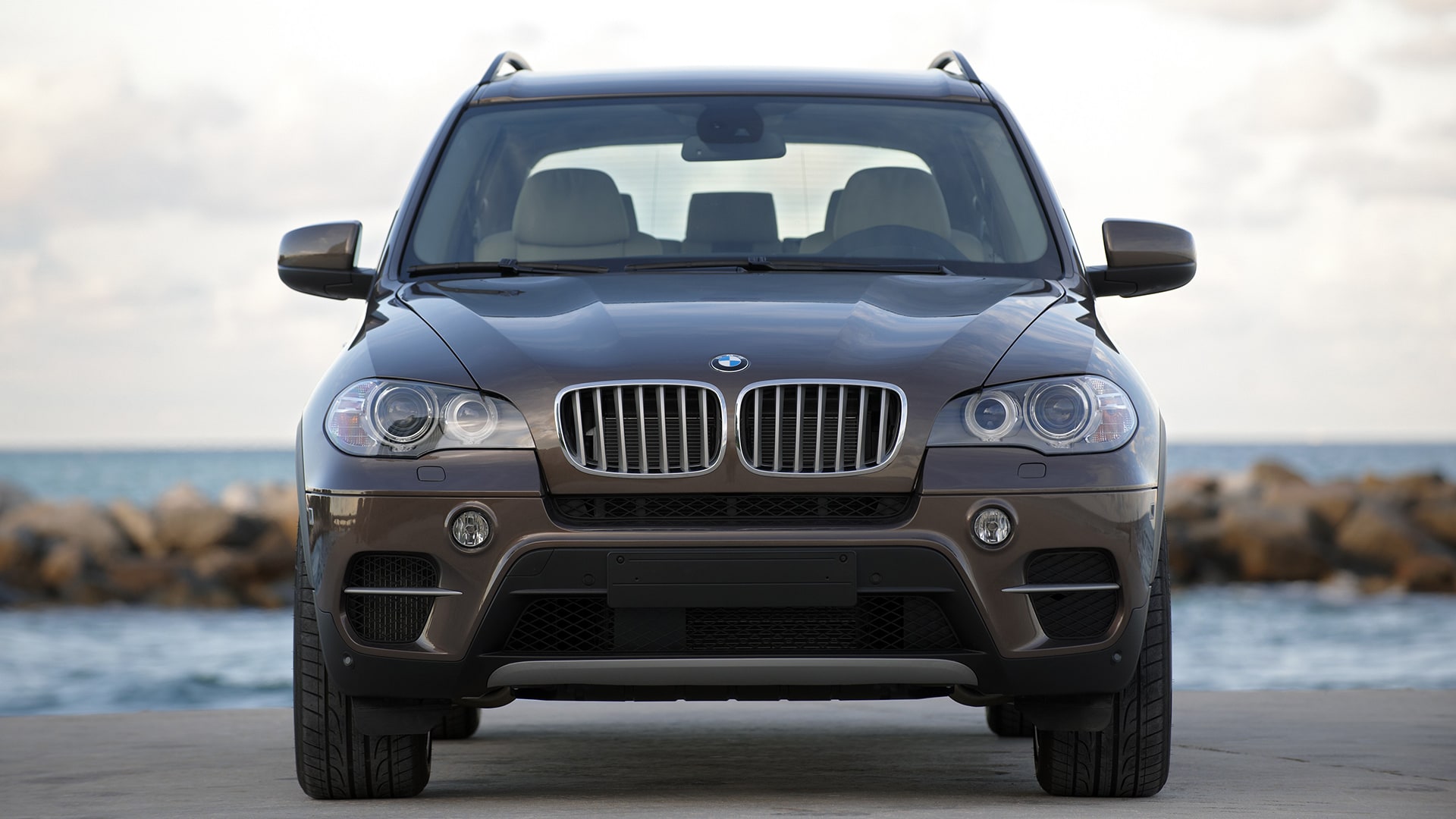
The second-generation BMW X5 from 2006 featured the BMW iDrive system for the first time and offered an optional third row of seats. The model upgrade saw the introduction of a new generation of BMW TwinPower Turbo engines (Read also: Technical marvels 12 standout examples of a BMW engines) with in-line six-cylinder and V8, which were offered.
The BMW X5 is a mid-size luxury crossover SUV produced by BMW. [1] The X5 made its debut in 1999 as the E53 model. It was BMW's first SUV. At launch, it featured all-wheel drive and was available with either a manual or automatic gearbox. The second generation was launched in 2006, and was known internally as the E70. The E70 featured the torque.
make] X5 has gone through several generations, undergoing significant improvements in power, size, and design. Explore the evolution of BMW X5 over the production years.
Complete timeline of BMW X5 models and generations, with photos, specs reference and production years.
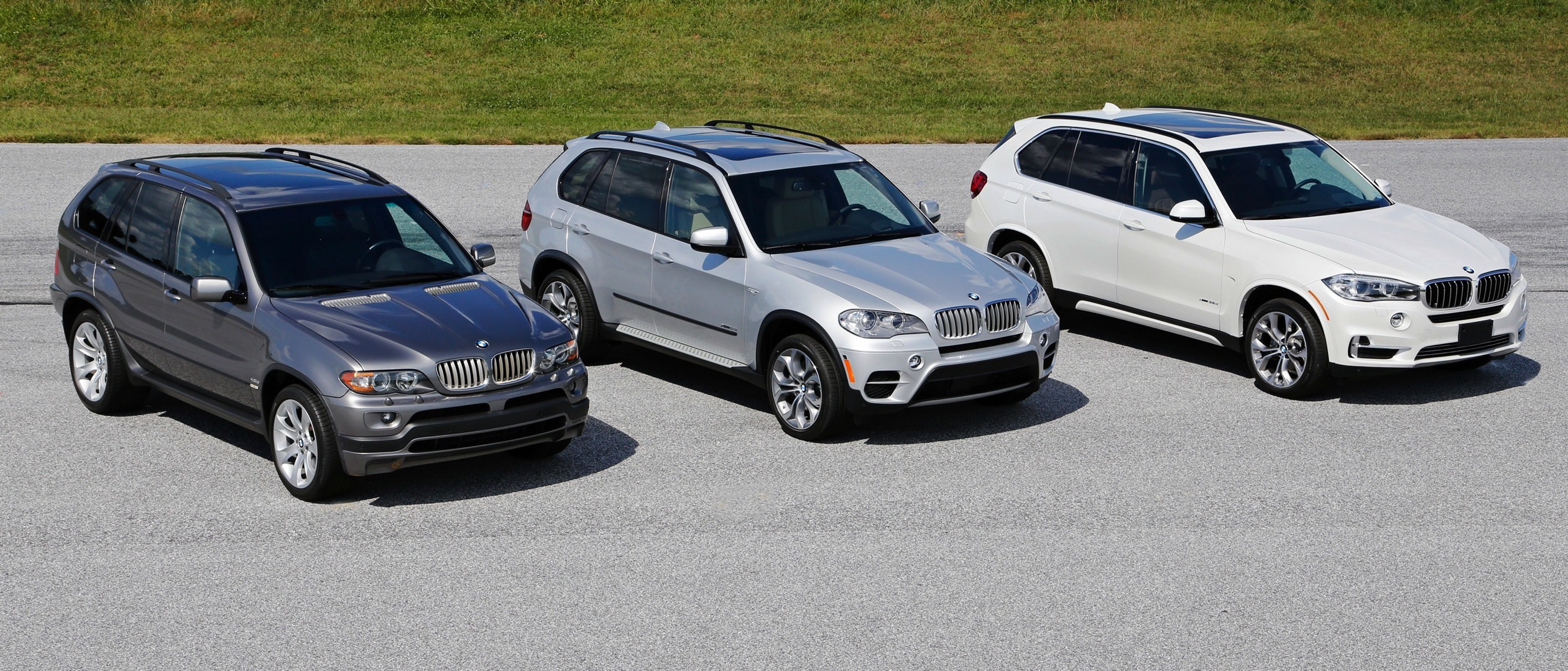
BMW Compares All Three Generations Of Its X5: Video
The BMW X5 is a mid-size luxury crossover SUV produced by BMW. [1] The X5 made its debut in 1999 as the E53 model. It was BMW's first SUV. At launch, it featured all-wheel drive and was available with either a manual or automatic gearbox. The second generation was launched in 2006, and was known internally as the E70. The E70 featured the torque.
First-Generation (E53) BMW X5 View the 2 images of this gallery on the original article Sold for the 2000 to 2006 model years, the E53 immediately set new standards for how SUVs should drive and.
The second-generation BMW X5 from 2006 featured the BMW iDrive system for the first time and offered an optional third row of seats. The model upgrade saw the introduction of a new generation of BMW TwinPower Turbo engines (Read also: Technical marvels 12 standout examples of a BMW engines) with in-line six-cylinder and V8, which were offered.
make] X5 has gone through several generations, undergoing significant improvements in power, size, and design. Explore the evolution of BMW X5 over the production years.
25 Years BMW X5: Journey Through Four Generations | BMW.com
Find out which BMW X5 generation is the most reliable. Full guide from E53 to G05, with tips on engines, problems, and smart buying decisions.
The BMW X5 is a mid-size luxury crossover SUV produced by BMW. [1] The X5 made its debut in 1999 as the E53 model. It was BMW's first SUV. At launch, it featured all-wheel drive and was available with either a manual or automatic gearbox. The second generation was launched in 2006, and was known internally as the E70. The E70 featured the torque.
Research the BMW X5 and learn about its generations, redesigns and notable features from each individual model year.
First-Generation (E53) BMW X5 View the 2 images of this gallery on the original article Sold for the 2000 to 2006 model years, the E53 immediately set new standards for how SUVs should drive and.
BMW Celebrates 15 Years Of X Models - Autoevolution
The BMW X5 is the German automaker's midsize crossover SUV. While most years of the X5 offer seating for five passengers in two rows, an optional two-passenger third row was available for several model years. BMW also offers the X5 in a high-performance X5 M edition, and with a hybrid drivetrain. In any model year, the X5 may be equipped with all-wheel drive or rear-wheel drive, and with a.
The BMW X5 is a mid-size luxury crossover SUV produced by BMW. [1] The X5 made its debut in 1999 as the E53 model. It was BMW's first SUV. At launch, it featured all-wheel drive and was available with either a manual or automatic gearbox. The second generation was launched in 2006, and was known internally as the E70. The E70 featured the torque.
Find out which BMW X5 generation is the most reliable. Full guide from E53 to G05, with tips on engines, problems, and smart buying decisions.
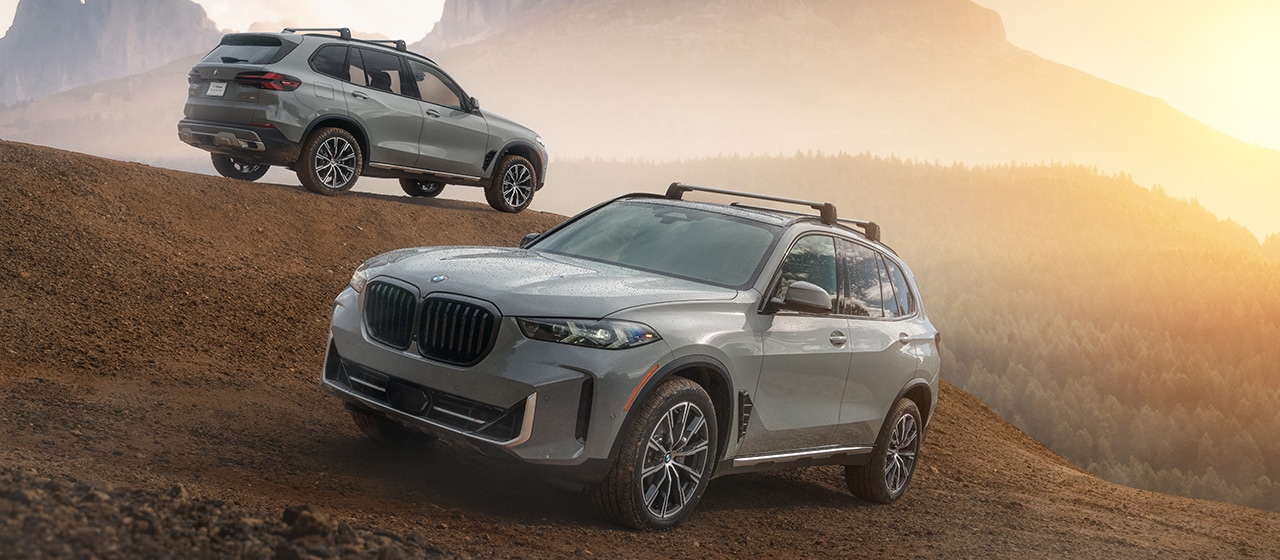
The BMW X5 is considered by many to be the benchmark in the performance SUV segment; here's how it's changed across four generations.
Complete timeline of BMW X5 models and generations, with photos, specs reference and production years.
The BMW X5 is considered by many to be the benchmark in the performance SUV segment; here's how it's changed across four generations.
make] X5 has gone through several generations, undergoing significant improvements in power, size, and design. Explore the evolution of BMW X5 over the production years.
First-Generation (E53) BMW X5 View the 2 images of this gallery on the original article Sold for the 2000 to 2006 model years, the E53 immediately set new standards for how SUVs should drive and.
BMW X5 Generations Explained | FCP Euro
Research the BMW X5 and learn about its generations, redesigns and notable features from each individual model year.
Find out which BMW X5 generation is the most reliable. Full guide from E53 to G05, with tips on engines, problems, and smart buying decisions.
The BMW X5 is a mid-size luxury crossover SUV produced by BMW. [1] The X5 made its debut in 1999 as the E53 model. It was BMW's first SUV. At launch, it featured all-wheel drive and was available with either a manual or automatic gearbox. The second generation was launched in 2006, and was known internally as the E70. The E70 featured the torque.
make] X5 has gone through several generations, undergoing significant improvements in power, size, and design. Explore the evolution of BMW X5 over the production years.
25 Years BMW X5: Journey Through Four Generations | BMW.com
First-Generation (E53) BMW X5 View the 2 images of this gallery on the original article Sold for the 2000 to 2006 model years, the E53 immediately set new standards for how SUVs should drive and.
The BMW X5 is the German automaker's midsize crossover SUV. While most years of the X5 offer seating for five passengers in two rows, an optional two-passenger third row was available for several model years. BMW also offers the X5 in a high-performance X5 M edition, and with a hybrid drivetrain. In any model year, the X5 may be equipped with all-wheel drive or rear-wheel drive, and with a.
The BMW X5 is considered by many to be the benchmark in the performance SUV segment; here's how it's changed across four generations.
BMW X5 E70 (2007-2013) The second-generation X5, the E70, debuted during the 2007 model year on an all-new chassis engineered for improved stability, comfort, and cargo capacity. Because of that, the E70 was bigger in all directions; 4.5" in wheelbase, 7.4" in length, and 2.4" in width. New engine options and technologies sat under their hoods, while the E39.
BMW X5 E70 (2007-2013) The second-generation X5, the E70, debuted during the 2007 model year on an all-new chassis engineered for improved stability, comfort, and cargo capacity. Because of that, the E70 was bigger in all directions; 4.5" in wheelbase, 7.4" in length, and 2.4" in width. New engine options and technologies sat under their hoods, while the E39.
The second-generation BMW X5 from 2006 featured the BMW iDrive system for the first time and offered an optional third row of seats. The model upgrade saw the introduction of a new generation of BMW TwinPower Turbo engines (Read also: Technical marvels 12 standout examples of a BMW engines) with in-line six-cylinder and V8, which were offered.
Find out which BMW X5 generation is the most reliable. Full guide from E53 to G05, with tips on engines, problems, and smart buying decisions.
make] X5 has gone through several generations, undergoing significant improvements in power, size, and design. Explore the evolution of BMW X5 over the production years.
The BMW X5 is the German automaker's midsize crossover SUV. While most years of the X5 offer seating for five passengers in two rows, an optional two-passenger third row was available for several model years. BMW also offers the X5 in a high-performance X5 M edition, and with a hybrid drivetrain. In any model year, the X5 may be equipped with all-wheel drive or rear-wheel drive, and with a.
The second-generation BMW X5 from 2006 featured the BMW iDrive system for the first time and offered an optional third row of seats. The model upgrade saw the introduction of a new generation of BMW TwinPower Turbo engines (Read also: Technical marvels 12 standout examples of a BMW engines) with in-line six-cylinder and V8, which were offered.
The BMW X5 is a mid-size luxury crossover SUV produced by BMW. [1] The X5 made its debut in 1999 as the E53 model. It was BMW's first SUV. At launch, it featured all-wheel drive and was available with either a manual or automatic gearbox. The second generation was launched in 2006, and was known internally as the E70. The E70 featured the torque.
First-Generation (E53) BMW X5 View the 2 images of this gallery on the original article Sold for the 2000 to 2006 model years, the E53 immediately set new standards for how SUVs should drive and.
BMW X5 Generations: A BMW Youngtimer Meets Its Progeny | BMW.com
The BMW X5 is considered by many to be the benchmark in the performance SUV segment; here's how it's changed across four generations.
The BMW X5 is the German automaker's midsize crossover SUV. While most years of the X5 offer seating for five passengers in two rows, an optional two-passenger third row was available for several model years. BMW also offers the X5 in a high-performance X5 M edition, and with a hybrid drivetrain. In any model year, the X5 may be equipped with all-wheel drive or rear-wheel drive, and with a.
make] X5 has gone through several generations, undergoing significant improvements in power, size, and design. Explore the evolution of BMW X5 over the production years.
The BMW X5 is a mid-size luxury crossover SUV produced by BMW. [1] The X5 made its debut in 1999 as the E53 model. It was BMW's first SUV. At launch, it featured all-wheel drive and was available with either a manual or automatic gearbox. The second generation was launched in 2006, and was known internally as the E70. The E70 featured the torque.
The second-generation BMW X5 from 2006 featured the BMW iDrive system for the first time and offered an optional third row of seats. The model upgrade saw the introduction of a new generation of BMW TwinPower Turbo engines (Read also: Technical marvels 12 standout examples of a BMW engines) with in-line six-cylinder and V8, which were offered.
The BMW X5 is considered by many to be the benchmark in the performance SUV segment; here's how it's changed across four generations.
Complete timeline of BMW X5 models and generations, with photos, specs reference and production years.
First-Generation (E53) BMW X5 View the 2 images of this gallery on the original article Sold for the 2000 to 2006 model years, the E53 immediately set new standards for how SUVs should drive and.
The BMW X5 is a mid-size luxury crossover SUV produced by BMW. [1] The X5 made its debut in 1999 as the E53 model. It was BMW's first SUV. At launch, it featured all-wheel drive and was available with either a manual or automatic gearbox. The second generation was launched in 2006, and was known internally as the E70. The E70 featured the torque.
Research the BMW X5 and learn about its generations, redesigns and notable features from each individual model year.
make] X5 has gone through several generations, undergoing significant improvements in power, size, and design. Explore the evolution of BMW X5 over the production years.
First-Generation (E53) BMW X5 View the 2 images of this gallery on the original article Sold for the 2000 to 2006 model years, the E53 immediately set new standards for how SUVs should drive and.
25 Years BMW X5: Journey Through Four Generations | BMW.com
The BMW X5 is considered by many to be the benchmark in the performance SUV segment; here's how it's changed across four generations.
BMW X5 E70 (2007-2013) The second-generation X5, the E70, debuted during the 2007 model year on an all-new chassis engineered for improved stability, comfort, and cargo capacity. Because of that, the E70 was bigger in all directions; 4.5" in wheelbase, 7.4" in length, and 2.4" in width. New engine options and technologies sat under their hoods, while the E39.
Research the BMW X5 and learn about its generations, redesigns and notable features from each individual model year.
make] X5 has gone through several generations, undergoing significant improvements in power, size, and design. Explore the evolution of BMW X5 over the production years.
All BMW X5 Generations - EncyCARpedia
The BMW X5 is the German automaker's midsize crossover SUV. While most years of the X5 offer seating for five passengers in two rows, an optional two-passenger third row was available for several model years. BMW also offers the X5 in a high-performance X5 M edition, and with a hybrid drivetrain. In any model year, the X5 may be equipped with all-wheel drive or rear-wheel drive, and with a.
BMW X5 E70 (2007-2013) The second-generation X5, the E70, debuted during the 2007 model year on an all-new chassis engineered for improved stability, comfort, and cargo capacity. Because of that, the E70 was bigger in all directions; 4.5" in wheelbase, 7.4" in length, and 2.4" in width. New engine options and technologies sat under their hoods, while the E39.
The second-generation BMW X5 from 2006 featured the BMW iDrive system for the first time and offered an optional third row of seats. The model upgrade saw the introduction of a new generation of BMW TwinPower Turbo engines (Read also: Technical marvels 12 standout examples of a BMW engines) with in-line six-cylinder and V8, which were offered.
Find out which BMW X5 generation is the most reliable. Full guide from E53 to G05, with tips on engines, problems, and smart buying decisions.
25 Years BMW X5: Journey Through Four Generations | BMW.com
Complete timeline of BMW X5 models and generations, with photos, specs reference and production years.
The BMW X5 is a mid-size luxury crossover SUV produced by BMW. [1] The X5 made its debut in 1999 as the E53 model. It was BMW's first SUV. At launch, it featured all-wheel drive and was available with either a manual or automatic gearbox. The second generation was launched in 2006, and was known internally as the E70. The E70 featured the torque.
Research the BMW X5 and learn about its generations, redesigns and notable features from each individual model year.
First-Generation (E53) BMW X5 View the 2 images of this gallery on the original article Sold for the 2000 to 2006 model years, the E53 immediately set new standards for how SUVs should drive and.
All BMW X5 Generations. A Work Of Progress. F15, E70, E53. - YouTube
First-Generation (E53) BMW X5 View the 2 images of this gallery on the original article Sold for the 2000 to 2006 model years, the E53 immediately set new standards for how SUVs should drive and.
The BMW X5 is a mid-size luxury crossover SUV produced by BMW. [1] The X5 made its debut in 1999 as the E53 model. It was BMW's first SUV. At launch, it featured all-wheel drive and was available with either a manual or automatic gearbox. The second generation was launched in 2006, and was known internally as the E70. The E70 featured the torque.
The BMW X5 is the German automaker's midsize crossover SUV. While most years of the X5 offer seating for five passengers in two rows, an optional two-passenger third row was available for several model years. BMW also offers the X5 in a high-performance X5 M edition, and with a hybrid drivetrain. In any model year, the X5 may be equipped with all-wheel drive or rear-wheel drive, and with a.
BMW X5 E70 (2007-2013) The second-generation X5, the E70, debuted during the 2007 model year on an all-new chassis engineered for improved stability, comfort, and cargo capacity. Because of that, the E70 was bigger in all directions; 4.5" in wheelbase, 7.4" in length, and 2.4" in width. New engine options and technologies sat under their hoods, while the E39.
Research the BMW X5 and learn about its generations, redesigns and notable features from each individual model year.
Complete timeline of BMW X5 models and generations, with photos, specs reference and production years.
First-Generation (E53) BMW X5 View the 2 images of this gallery on the original article Sold for the 2000 to 2006 model years, the E53 immediately set new standards for how SUVs should drive and.
The BMW X5 is considered by many to be the benchmark in the performance SUV segment; here's how it's changed across four generations.
make] X5 has gone through several generations, undergoing significant improvements in power, size, and design. Explore the evolution of BMW X5 over the production years.
The second-generation BMW X5 from 2006 featured the BMW iDrive system for the first time and offered an optional third row of seats. The model upgrade saw the introduction of a new generation of BMW TwinPower Turbo engines (Read also: Technical marvels 12 standout examples of a BMW engines) with in-line six-cylinder and V8, which were offered.
The BMW X5 is a mid-size luxury crossover SUV produced by BMW. [1] The X5 made its debut in 1999 as the E53 model. It was BMW's first SUV. At launch, it featured all-wheel drive and was available with either a manual or automatic gearbox. The second generation was launched in 2006, and was known internally as the E70. The E70 featured the torque.
BMW X5 E70 (2007-2013) The second-generation X5, the E70, debuted during the 2007 model year on an all-new chassis engineered for improved stability, comfort, and cargo capacity. Because of that, the E70 was bigger in all directions; 4.5" in wheelbase, 7.4" in length, and 2.4" in width. New engine options and technologies sat under their hoods, while the E39.
Find out which BMW X5 generation is the most reliable. Full guide from E53 to G05, with tips on engines, problems, and smart buying decisions.
The BMW X5 is the German automaker's midsize crossover SUV. While most years of the X5 offer seating for five passengers in two rows, an optional two-passenger third row was available for several model years. BMW also offers the X5 in a high-performance X5 M edition, and with a hybrid drivetrain. In any model year, the X5 may be equipped with all-wheel drive or rear-wheel drive, and with a.