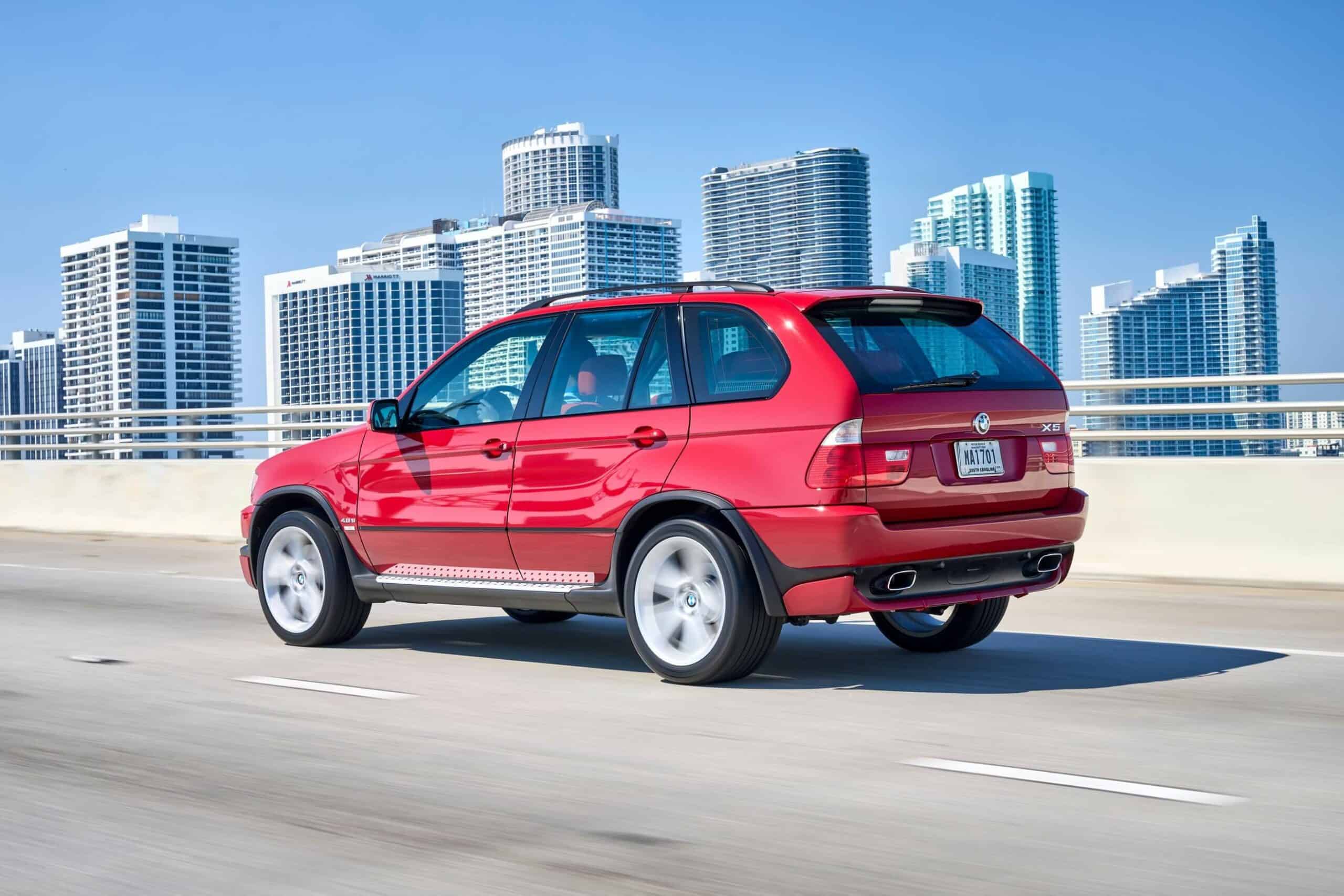
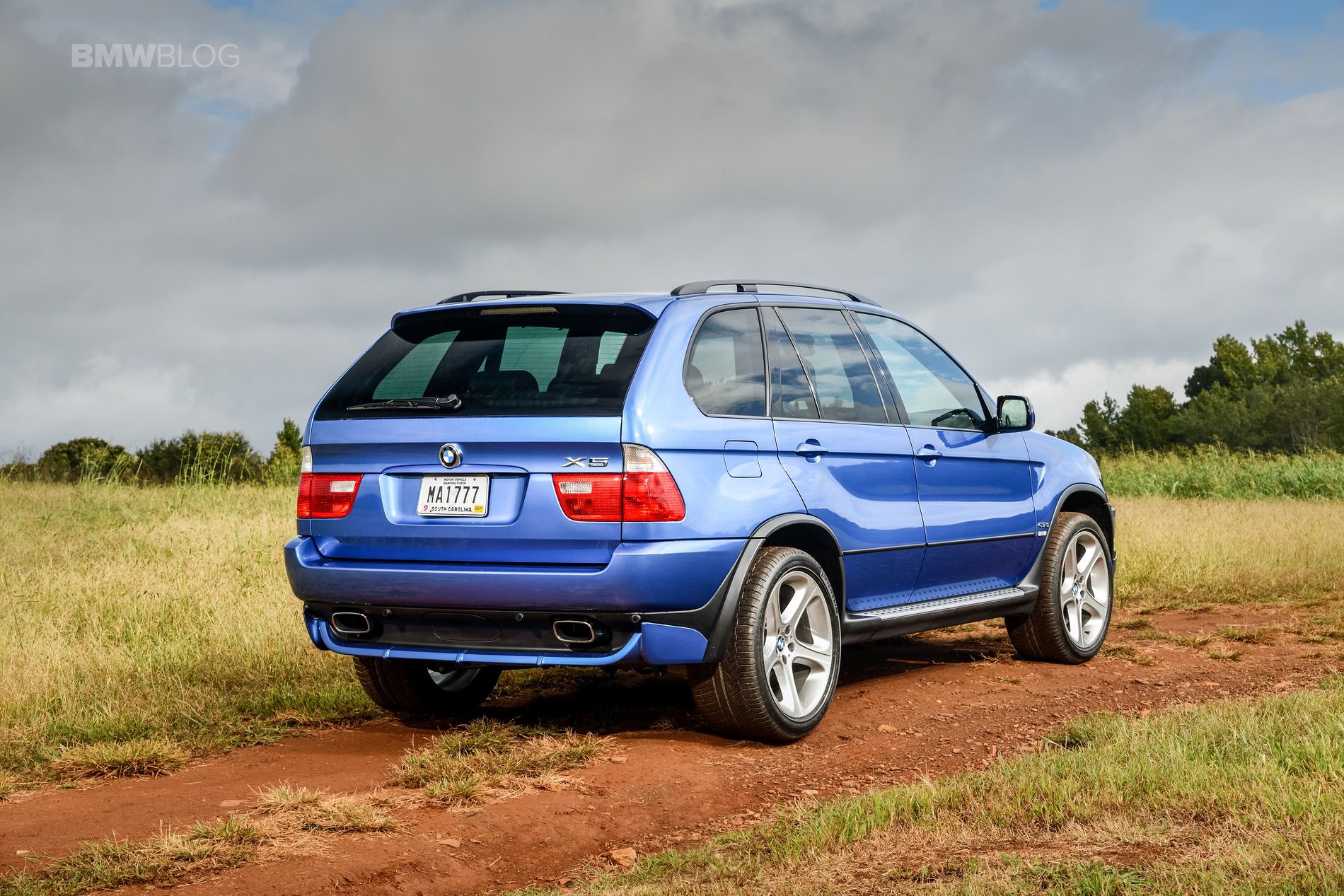
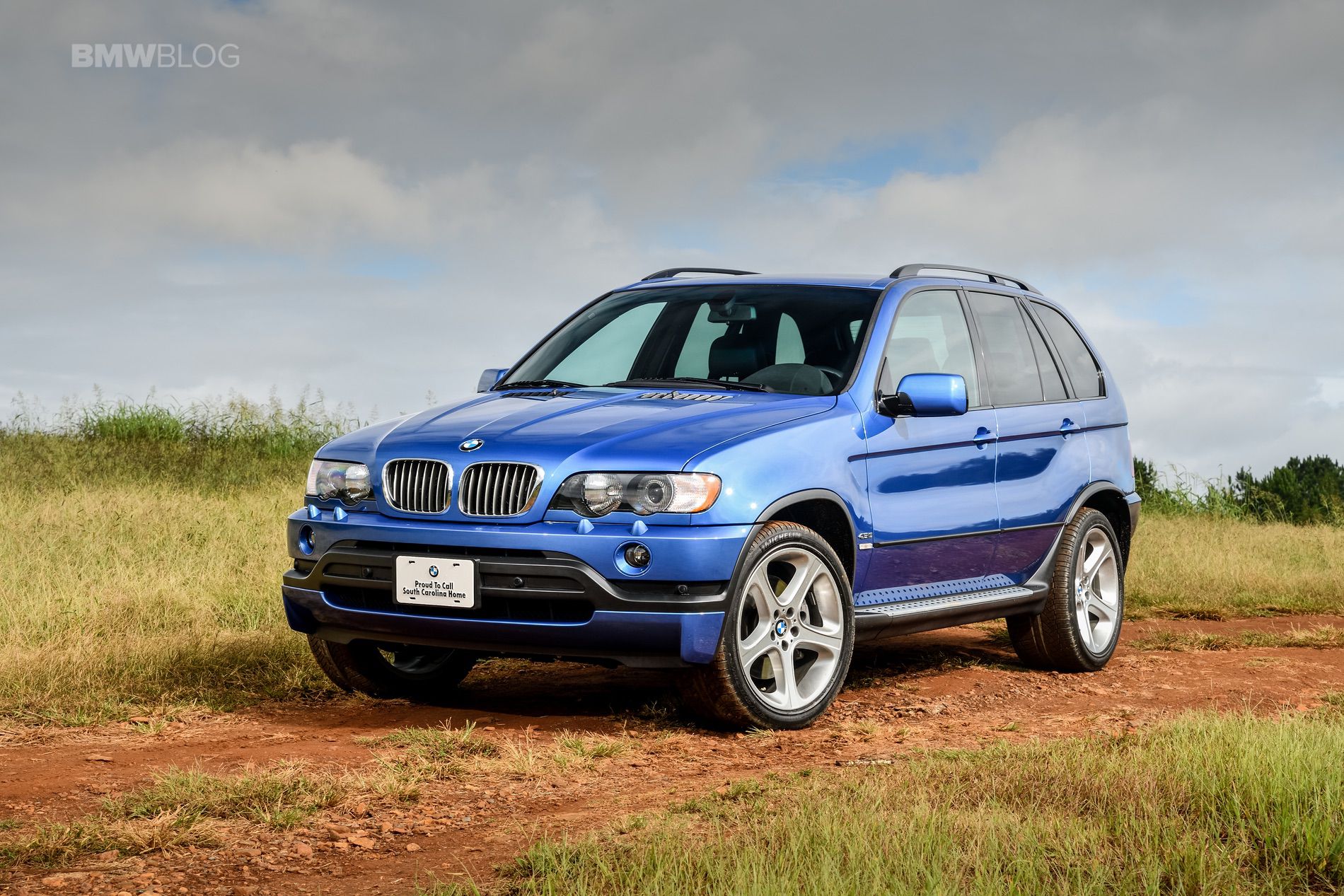
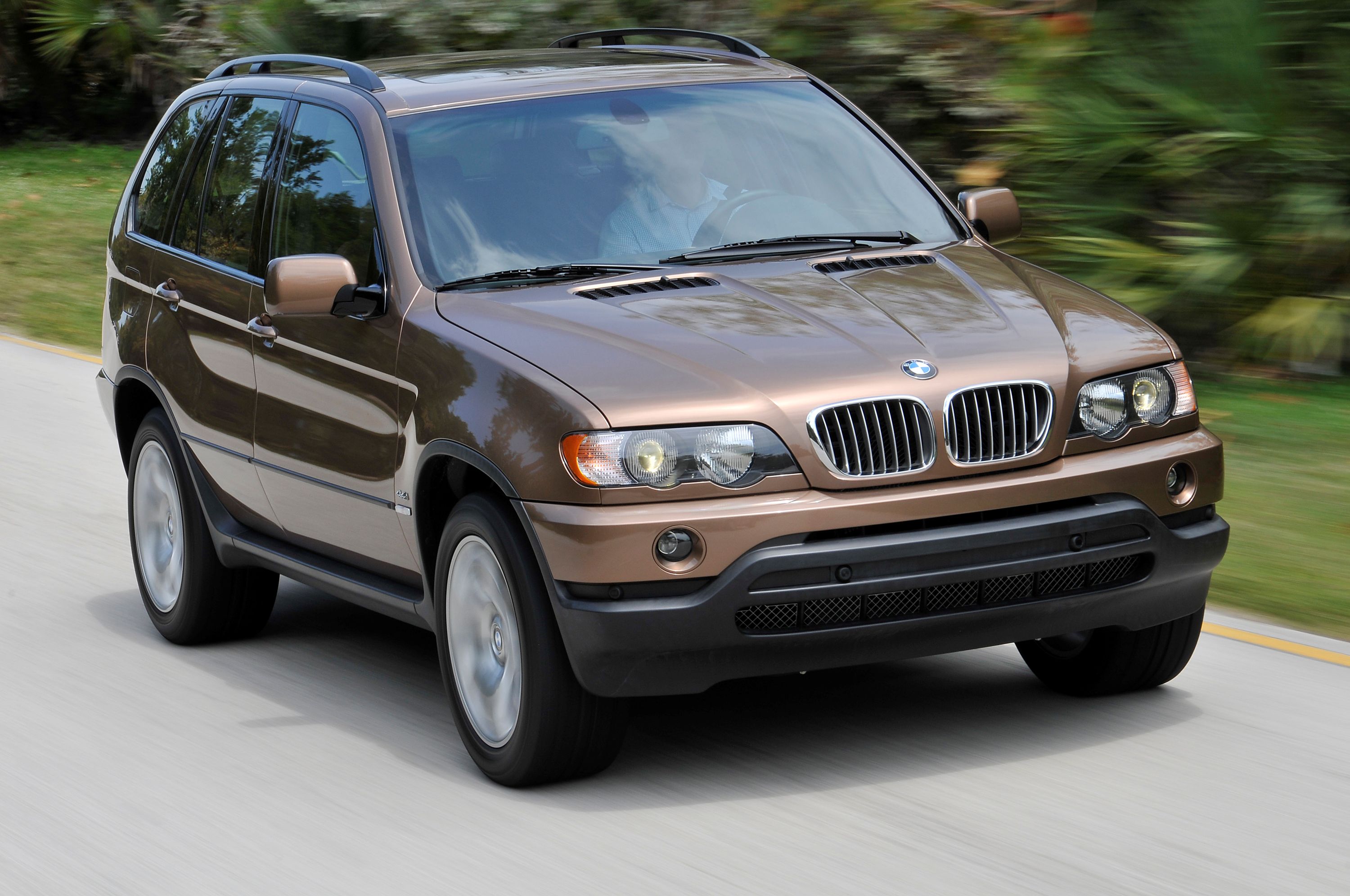
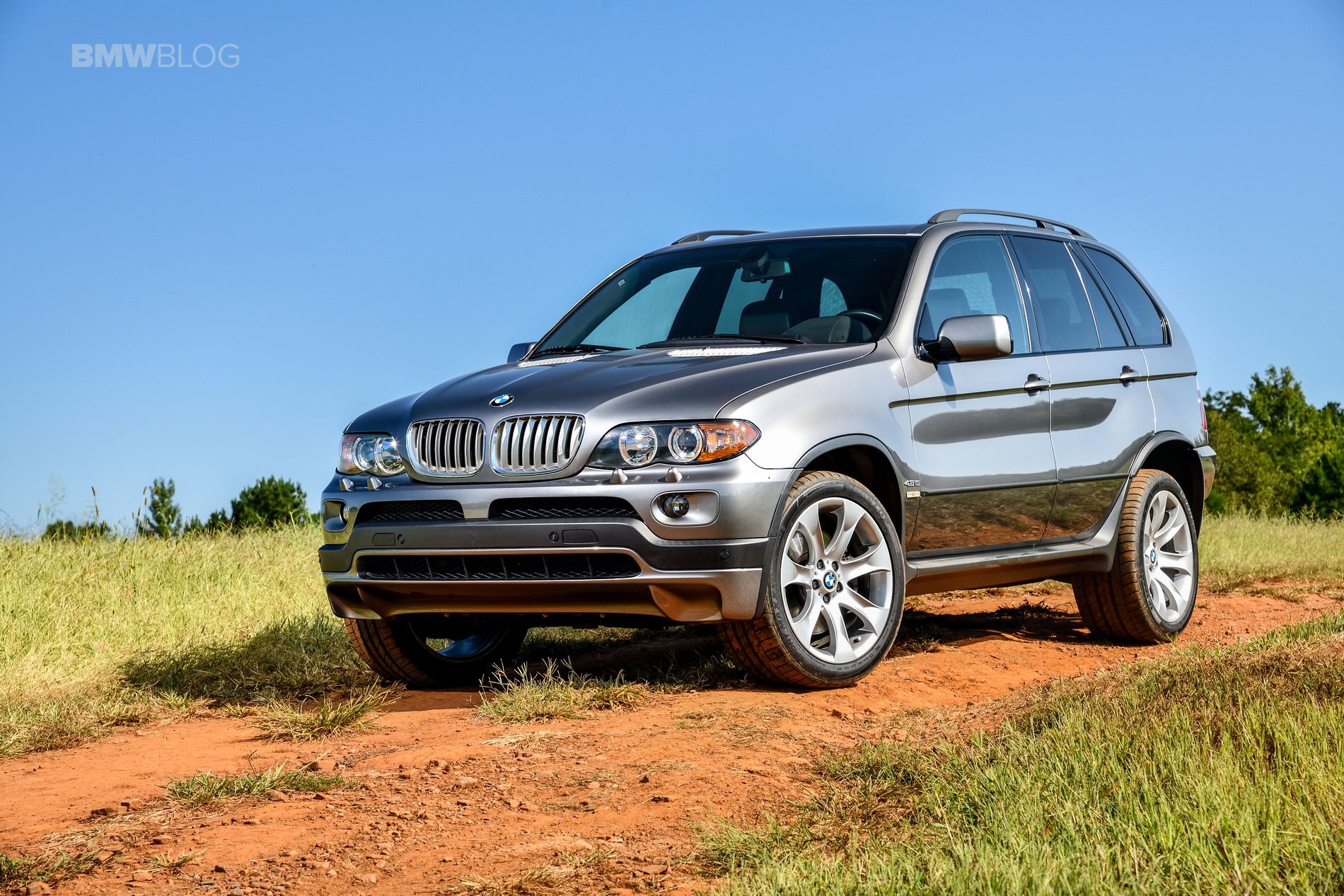
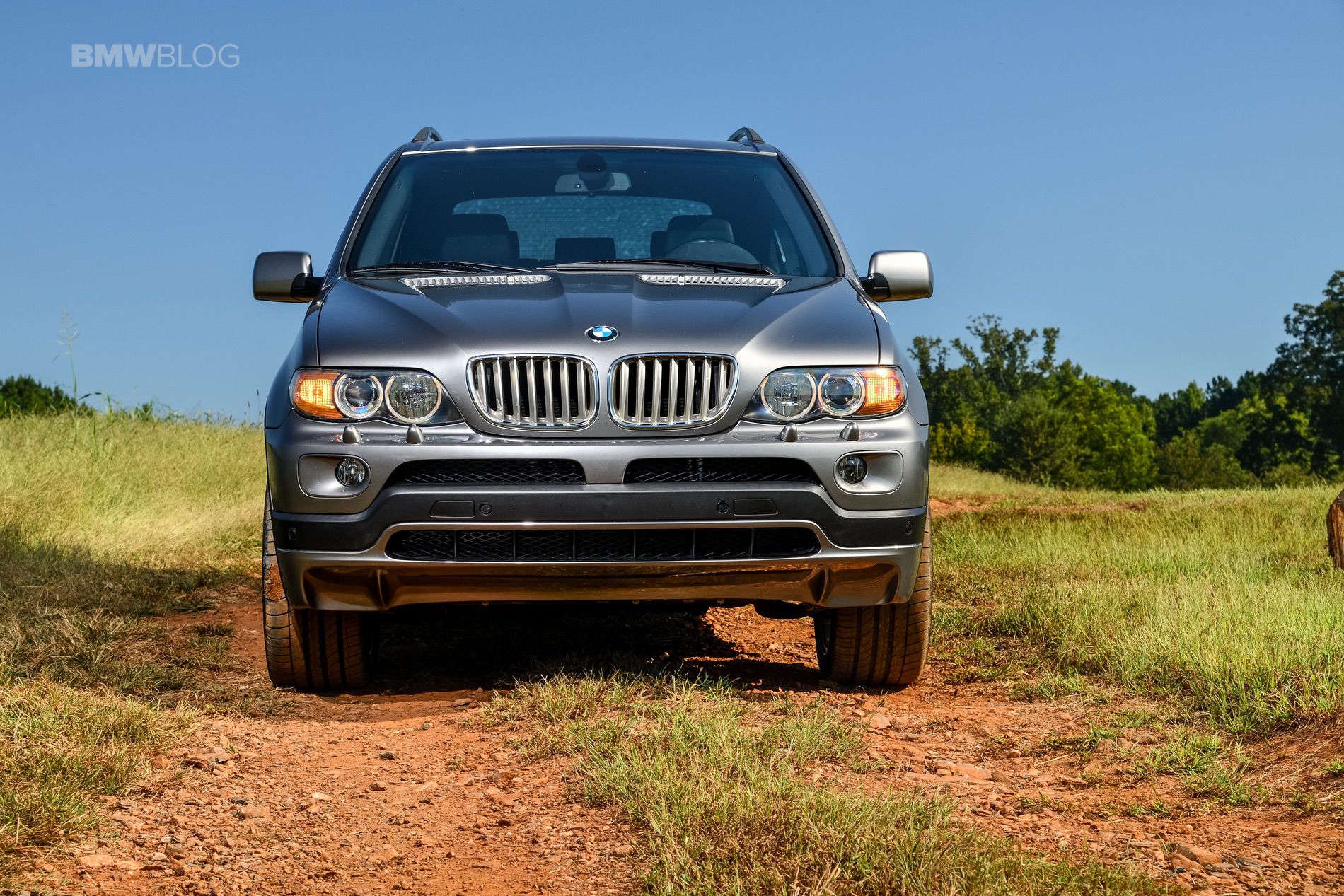
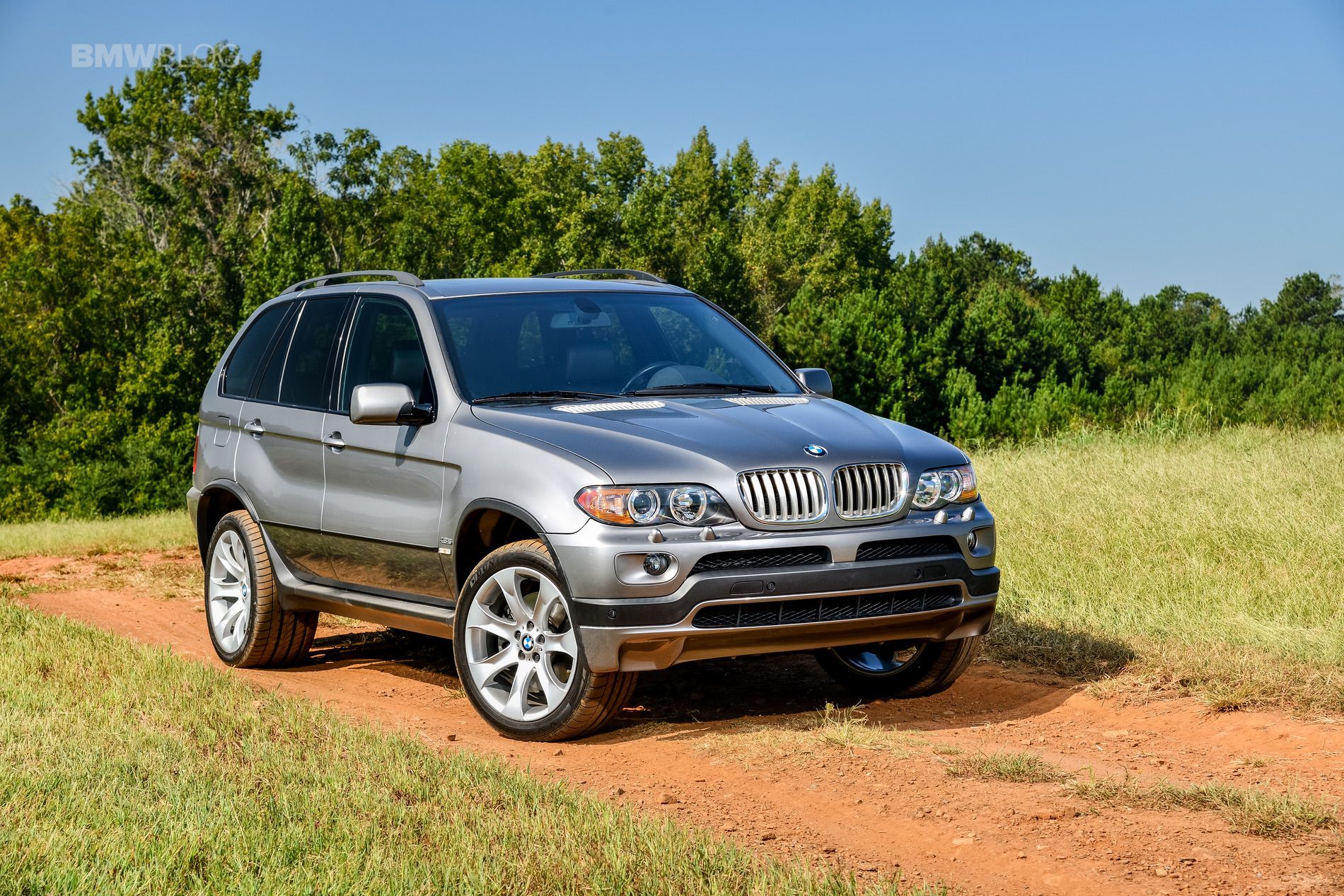
The second-generation BMW X5 from 2006 featured the BMW iDrive system for the first time and offered an optional third row of seats. The model upgrade saw the introduction of a new generation of BMW TwinPower Turbo engines (Read also: Technical marvels 12 standout examples of a BMW engines) with in-line six-cylinder and V8, which were offered.
The BMW X5 has come full circle in its evolution. There wasn't any slack when the engineers first put together the debut model and they've continued to make improvements and upgrade throughout the past two decades on a regular basis.
BMW's bestselling vehicle in the U.S. is not the 3 Series. It's the BMW X5 SUV. Twenty-five years after its introduction, it's now a fixture of the company. Its roots date back to the early 1990s, when two parts of BMW came to the same conclusion, albeit from different starting points. For BMW North America, it came from studying what their customers had in their garages aside from BMW.
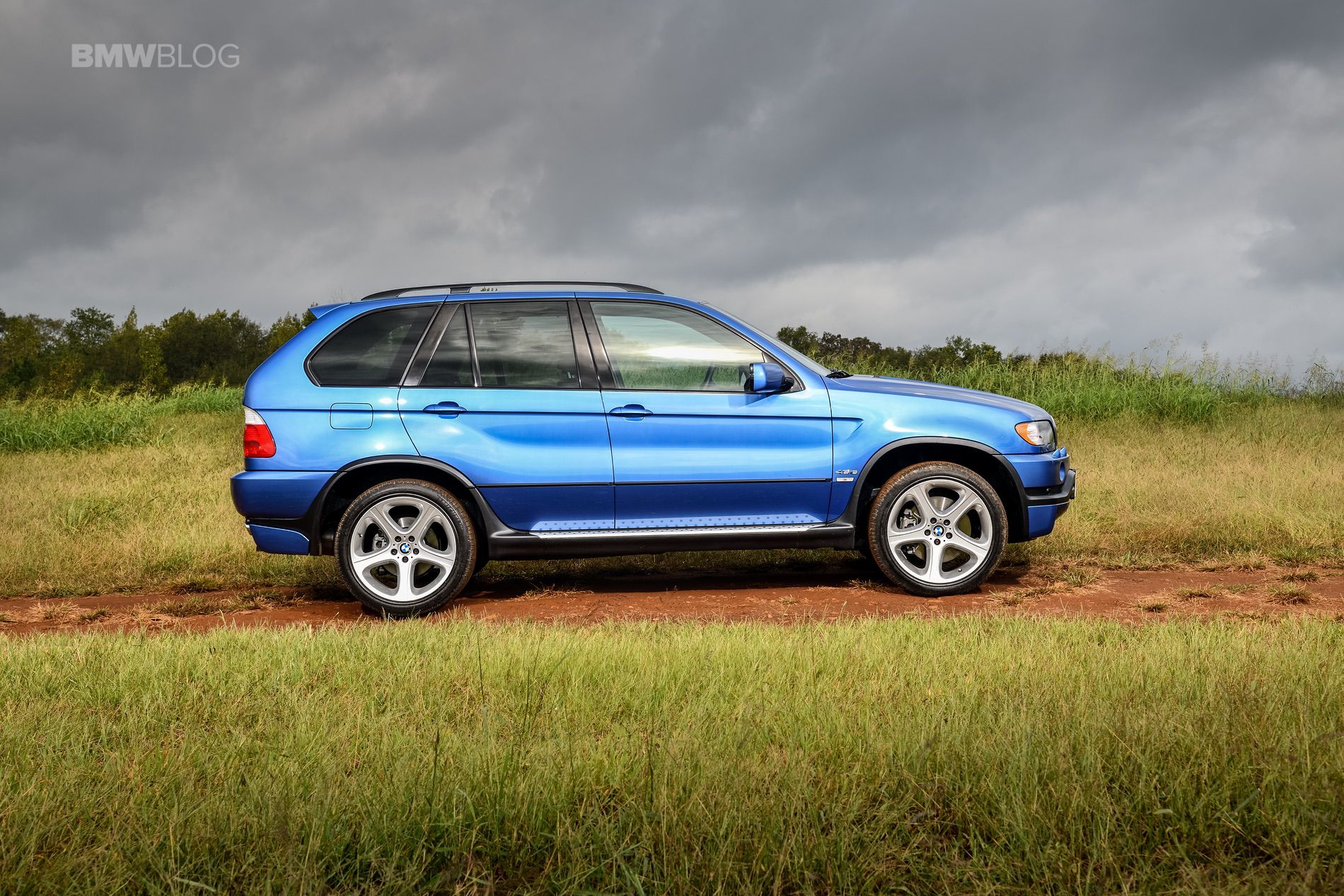
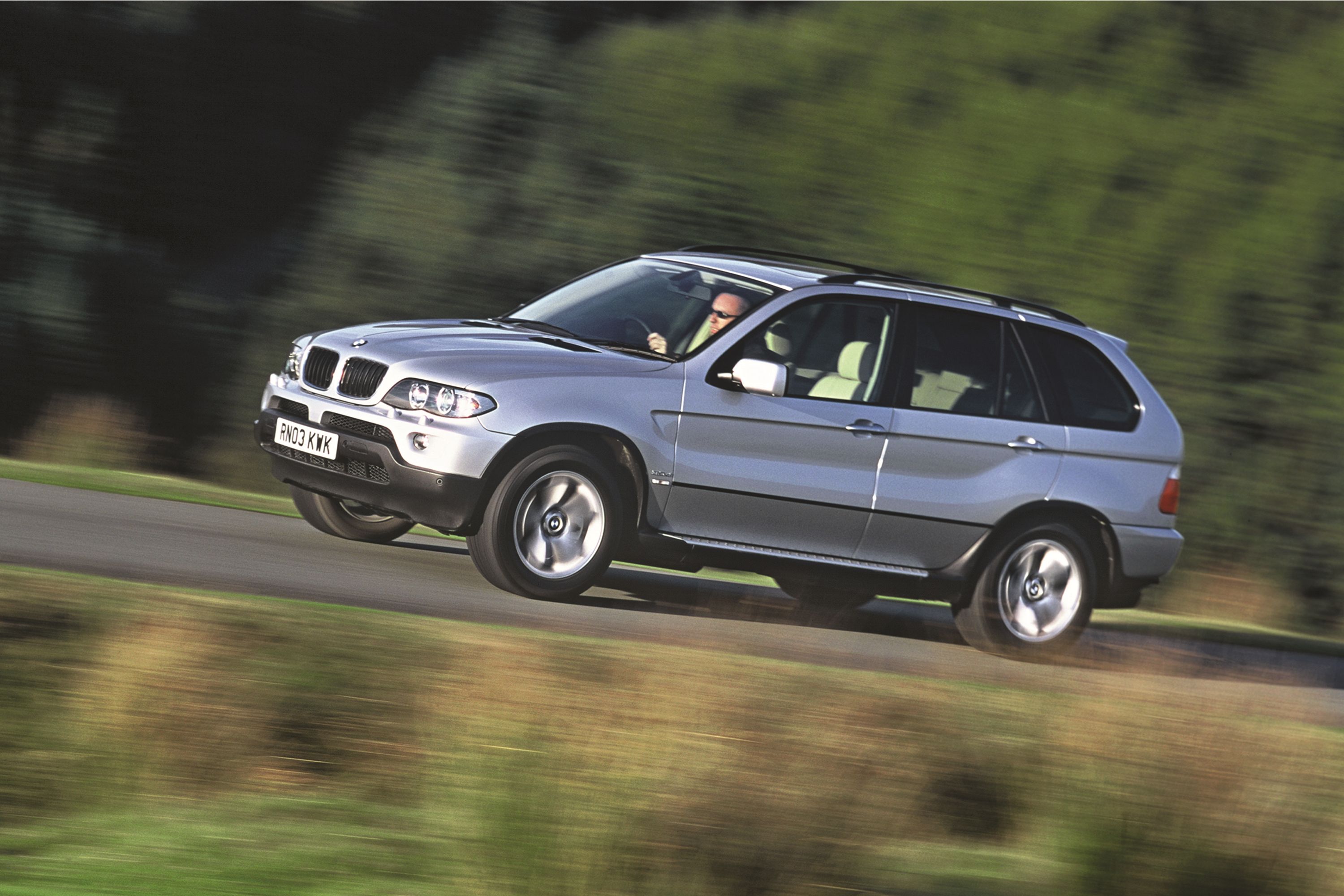
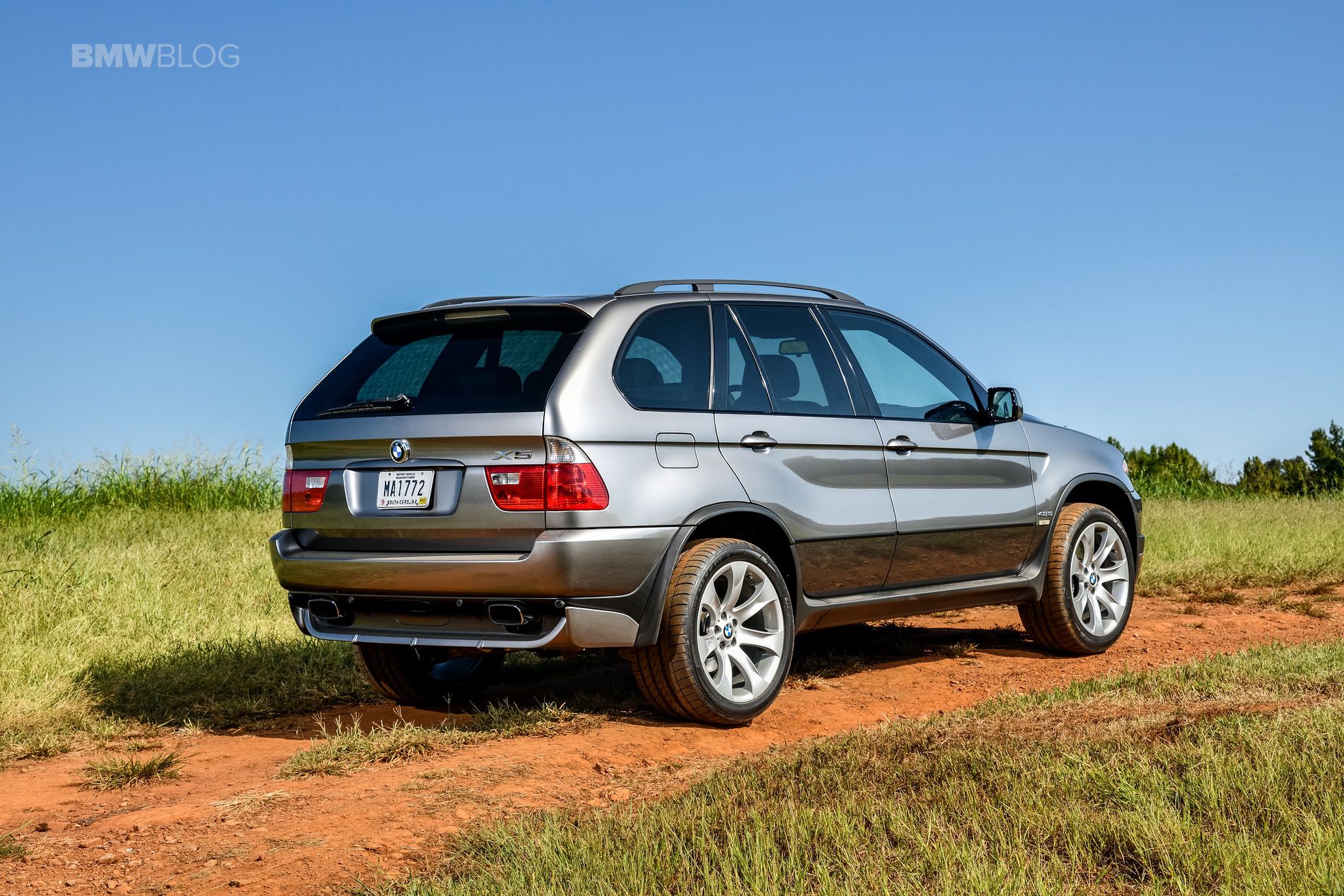
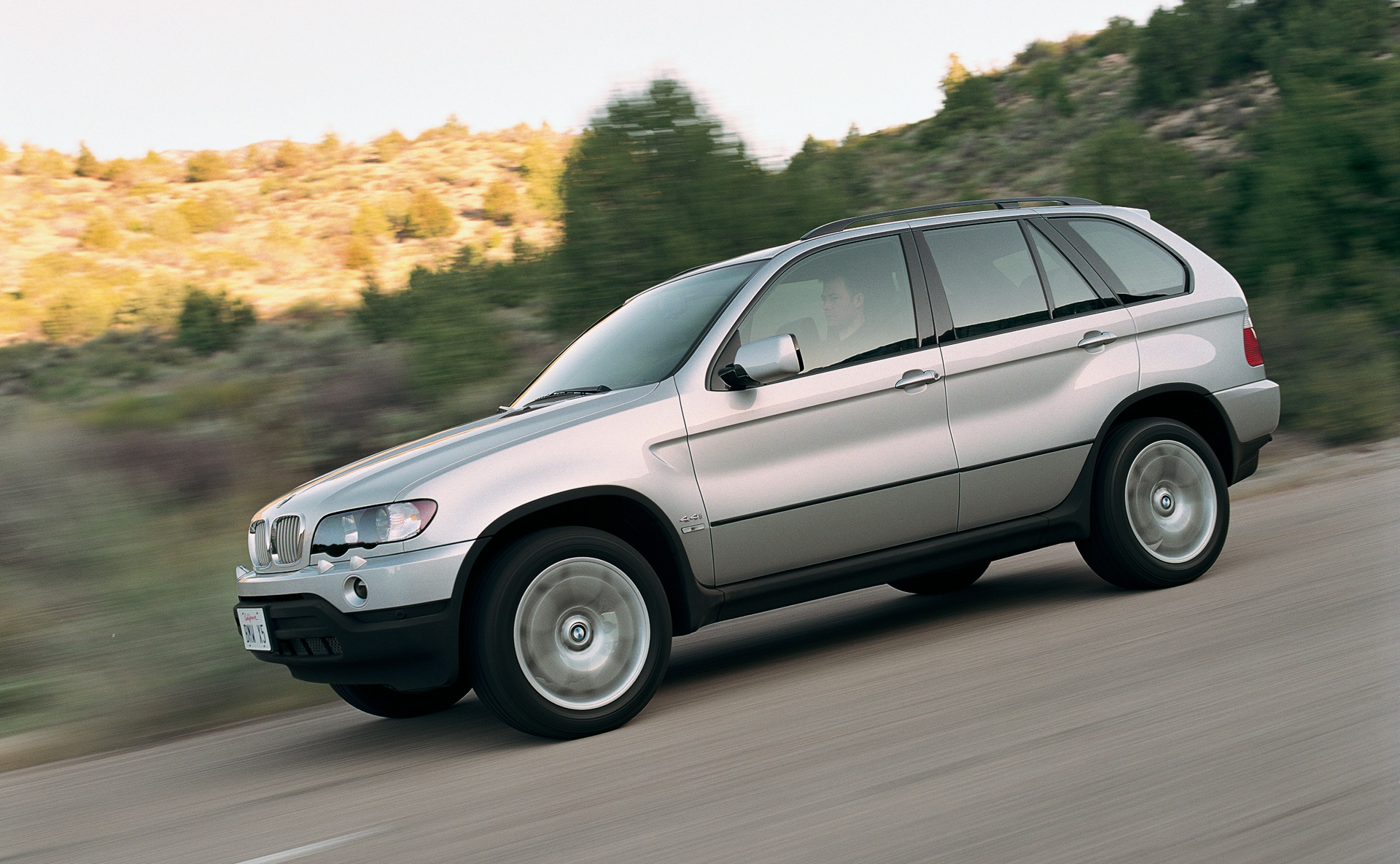
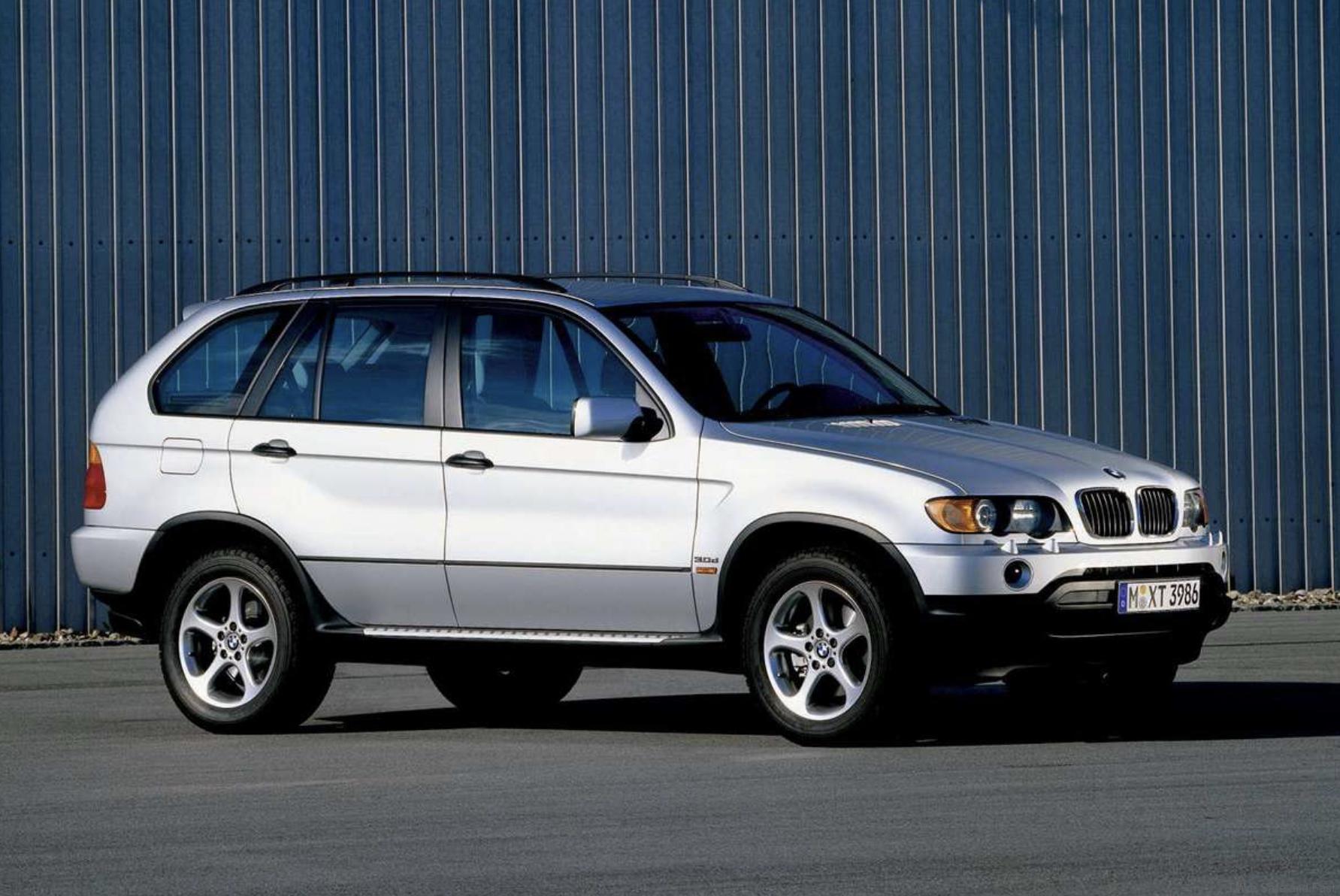
The BMW X5 is a mid-size luxury crossover SUV produced by BMW. [1] The X5 made its debut in 1999 as the E53 model. It was BMW's first SUV. At launch, it featured all-wheel drive and was available with either a manual or automatic gearbox. The second generation was launched in 2006, and was known internally as the E70. The E70 featured the torque.
First Generation BMW X5 Still Looks Fresh
We talk to those who developed BMW's first SUV, the X5. So, let's dive into BMW's daring pivot from sports sedans to the trailblazing SUV that started it all.
BMW launched its first X5 in 1999 after nearly five years of research and development. It was designed by some of BMW's most notable designers, including Chris Bangle, Peter Gabath, Wolfgang.
The BMW X5 has come full circle in its evolution. There wasn't any slack when the engineers first put together the debut model and they've continued to make improvements and upgrade throughout the past two decades on a regular basis.
The second-generation BMW X5 from 2006 featured the BMW iDrive system for the first time and offered an optional third row of seats. The model upgrade saw the introduction of a new generation of BMW TwinPower Turbo engines (Read also: Technical marvels 12 standout examples of a BMW engines) with in-line six-cylinder and V8, which were offered.
BMW X5 E53 1st Generation - What To Check Before You Buy | CarBuzz
BMW launched its first X5 in 1999 after nearly five years of research and development. It was designed by some of BMW's most notable designers, including Chris Bangle, Peter Gabath, Wolfgang.
The birth of the BMW X5 marks a pivotal moment in the history of the automotive industry, especially for fans of luxury SUVs. Launched in 1999, the original X5, designated the E53, introduced a revolutionary blend of performance, comfort, and versatility. BMW decided to venture into the SUV market during a time when the segment was rapidly gaining popularity. The E53 concept emerged from the.
The BMW X5 has come full circle in its evolution. There wasn't any slack when the engineers first put together the debut model and they've continued to make improvements and upgrade throughout the past two decades on a regular basis.
The BMW X5 is a mid-size luxury crossover SUV produced by BMW. [1] The X5 made its debut in 1999 as the E53 model. It was BMW's first SUV. At launch, it featured all-wheel drive and was available with either a manual or automatic gearbox. The second generation was launched in 2006, and was known internally as the E70. The E70 featured the torque.
First Generation BMW X5 Still Looks Fresh
The BMW X5 is a mid-size luxury crossover SUV produced by BMW. [1] The X5 made its debut in 1999 as the E53 model. It was BMW's first SUV. At launch, it featured all-wheel drive and was available with either a manual or automatic gearbox. The second generation was launched in 2006, and was known internally as the E70. The E70 featured the torque.
The birth of the BMW X5 marks a pivotal moment in the history of the automotive industry, especially for fans of luxury SUVs. Launched in 1999, the original X5, designated the E53, introduced a revolutionary blend of performance, comfort, and versatility. BMW decided to venture into the SUV market during a time when the segment was rapidly gaining popularity. The E53 concept emerged from the.
BMW's bestselling vehicle in the U.S. is not the 3 Series. It's the BMW X5 SUV. Twenty-five years after its introduction, it's now a fixture of the company. Its roots date back to the early 1990s, when two parts of BMW came to the same conclusion, albeit from different starting points. For BMW North America, it came from studying what their customers had in their garages aside from BMW.
BMW introduced the first generation of the X5 in 1999 as a 2000 model year, and the automaker's family.
Best And Worst Years For Bmw X5
BMW's bestselling vehicle in the U.S. is not the 3 Series. It's the BMW X5 SUV. Twenty-five years after its introduction, it's now a fixture of the company. Its roots date back to the early 1990s, when two parts of BMW came to the same conclusion, albeit from different starting points. For BMW North America, it came from studying what their customers had in their garages aside from BMW.
The BMW X5 (E53) is one of the few BMWs that changed the company forever. The first ever BMW crossover, or Sports Activity Coupe as the brand likes to call it, was unveiled exactly 25 years ago on.
The second-generation BMW X5 from 2006 featured the BMW iDrive system for the first time and offered an optional third row of seats. The model upgrade saw the introduction of a new generation of BMW TwinPower Turbo engines (Read also: Technical marvels 12 standout examples of a BMW engines) with in-line six-cylinder and V8, which were offered.
The BMW X5 is a mid-size luxury crossover SUV produced by BMW. [1] The X5 made its debut in 1999 as the E53 model. It was BMW's first SUV. At launch, it featured all-wheel drive and was available with either a manual or automatic gearbox. The second generation was launched in 2006, and was known internally as the E70. The E70 featured the torque.
First BMW X5 (E53) Was Unveiled 25 Years Ago
The birth of the BMW X5 marks a pivotal moment in the history of the automotive industry, especially for fans of luxury SUVs. Launched in 1999, the original X5, designated the E53, introduced a revolutionary blend of performance, comfort, and versatility. BMW decided to venture into the SUV market during a time when the segment was rapidly gaining popularity. The E53 concept emerged from the.
We talk to those who developed BMW's first SUV, the X5. So, let's dive into BMW's daring pivot from sports sedans to the trailblazing SUV that started it all.
The BMW X5 is a mid-size luxury crossover SUV produced by BMW. [1] The X5 made its debut in 1999 as the E53 model. It was BMW's first SUV. At launch, it featured all-wheel drive and was available with either a manual or automatic gearbox. The second generation was launched in 2006, and was known internally as the E70. The E70 featured the torque.
The BMW X5 (E53) is one of the few BMWs that changed the company forever. The first ever BMW crossover, or Sports Activity Coupe as the brand likes to call it, was unveiled exactly 25 years ago on.
First Generation BMW X5 Still Looks Fresh
The BMW X5 has come full circle in its evolution. There wasn't any slack when the engineers first put together the debut model and they've continued to make improvements and upgrade throughout the past two decades on a regular basis.
The second-generation BMW X5 from 2006 featured the BMW iDrive system for the first time and offered an optional third row of seats. The model upgrade saw the introduction of a new generation of BMW TwinPower Turbo engines (Read also: Technical marvels 12 standout examples of a BMW engines) with in-line six-cylinder and V8, which were offered.
BMW introduced the first generation of the X5 in 1999 as a 2000 model year, and the automaker's family.
BMW launched its first X5 in 1999 after nearly five years of research and development. It was designed by some of BMW's most notable designers, including Chris Bangle, Peter Gabath, Wolfgang.
First Generation BMW X5 Still Looks Fresh
The BMW X5 has come full circle in its evolution. There wasn't any slack when the engineers first put together the debut model and they've continued to make improvements and upgrade throughout the past two decades on a regular basis.
We talk to those who developed BMW's first SUV, the X5. So, let's dive into BMW's daring pivot from sports sedans to the trailblazing SUV that started it all.
BMW introduced the first generation of the X5 in 1999 as a 2000 model year, and the automaker's family.
BMW launched its first X5 in 1999 after nearly five years of research and development. It was designed by some of BMW's most notable designers, including Chris Bangle, Peter Gabath, Wolfgang.
BMW X5 E53 1st Generation - What To Check Before You Buy | CarBuzz
We talk to those who developed BMW's first SUV, the X5. So, let's dive into BMW's daring pivot from sports sedans to the trailblazing SUV that started it all.
The birth of the BMW X5 marks a pivotal moment in the history of the automotive industry, especially for fans of luxury SUVs. Launched in 1999, the original X5, designated the E53, introduced a revolutionary blend of performance, comfort, and versatility. BMW decided to venture into the SUV market during a time when the segment was rapidly gaining popularity. The E53 concept emerged from the.
The BMW X5 (E53) is one of the few BMWs that changed the company forever. The first ever BMW crossover, or Sports Activity Coupe as the brand likes to call it, was unveiled exactly 25 years ago on.
BMW launched its first X5 in 1999 after nearly five years of research and development. It was designed by some of BMW's most notable designers, including Chris Bangle, Peter Gabath, Wolfgang.
First Generation BMW X5 Still Looks Fresh
The BMW X5 (E53) is one of the few BMWs that changed the company forever. The first ever BMW crossover, or Sports Activity Coupe as the brand likes to call it, was unveiled exactly 25 years ago on.
The second-generation BMW X5 from 2006 featured the BMW iDrive system for the first time and offered an optional third row of seats. The model upgrade saw the introduction of a new generation of BMW TwinPower Turbo engines (Read also: Technical marvels 12 standout examples of a BMW engines) with in-line six-cylinder and V8, which were offered.
BMW's bestselling vehicle in the U.S. is not the 3 Series. It's the BMW X5 SUV. Twenty-five years after its introduction, it's now a fixture of the company. Its roots date back to the early 1990s, when two parts of BMW came to the same conclusion, albeit from different starting points. For BMW North America, it came from studying what their customers had in their garages aside from BMW.
The BMW X5 is a mid-size luxury crossover SUV produced by BMW. [1] The X5 made its debut in 1999 as the E53 model. It was BMW's first SUV. At launch, it featured all-wheel drive and was available with either a manual or automatic gearbox. The second generation was launched in 2006, and was known internally as the E70. The E70 featured the torque.
Guide To BMW X5 History And Models Timeline | Dubizzle
The birth of the BMW X5 marks a pivotal moment in the history of the automotive industry, especially for fans of luxury SUVs. Launched in 1999, the original X5, designated the E53, introduced a revolutionary blend of performance, comfort, and versatility. BMW decided to venture into the SUV market during a time when the segment was rapidly gaining popularity. The E53 concept emerged from the.
The second-generation BMW X5 from 2006 featured the BMW iDrive system for the first time and offered an optional third row of seats. The model upgrade saw the introduction of a new generation of BMW TwinPower Turbo engines (Read also: Technical marvels 12 standout examples of a BMW engines) with in-line six-cylinder and V8, which were offered.
BMW launched its first X5 in 1999 after nearly five years of research and development. It was designed by some of BMW's most notable designers, including Chris Bangle, Peter Gabath, Wolfgang.
BMW introduced the first generation of the X5 in 1999 as a 2000 model year, and the automaker's family.
BMW X5 First Generation - YouTube
The BMW X5 is a mid-size luxury crossover SUV produced by BMW. [1] The X5 made its debut in 1999 as the E53 model. It was BMW's first SUV. At launch, it featured all-wheel drive and was available with either a manual or automatic gearbox. The second generation was launched in 2006, and was known internally as the E70. The E70 featured the torque.
The second-generation BMW X5 from 2006 featured the BMW iDrive system for the first time and offered an optional third row of seats. The model upgrade saw the introduction of a new generation of BMW TwinPower Turbo engines (Read also: Technical marvels 12 standout examples of a BMW engines) with in-line six-cylinder and V8, which were offered.
We talk to those who developed BMW's first SUV, the X5. So, let's dive into BMW's daring pivot from sports sedans to the trailblazing SUV that started it all.
The BMW X5 has come full circle in its evolution. There wasn't any slack when the engineers first put together the debut model and they've continued to make improvements and upgrade throughout the past two decades on a regular basis.
First Generation BMW X5 Still Looks Fresh
BMW's bestselling vehicle in the U.S. is not the 3 Series. It's the BMW X5 SUV. Twenty-five years after its introduction, it's now a fixture of the company. Its roots date back to the early 1990s, when two parts of BMW came to the same conclusion, albeit from different starting points. For BMW North America, it came from studying what their customers had in their garages aside from BMW.
BMW launched its first X5 in 1999 after nearly five years of research and development. It was designed by some of BMW's most notable designers, including Chris Bangle, Peter Gabath, Wolfgang.
We talk to those who developed BMW's first SUV, the X5. So, let's dive into BMW's daring pivot from sports sedans to the trailblazing SUV that started it all.
BMW introduced the first generation of the X5 in 1999 as a 2000 model year, and the automaker's family.
How The First BMW X5 Was Designed On A 2-Hour Flight
The BMW X5 is a mid-size luxury crossover SUV produced by BMW. [1] The X5 made its debut in 1999 as the E53 model. It was BMW's first SUV. At launch, it featured all-wheel drive and was available with either a manual or automatic gearbox. The second generation was launched in 2006, and was known internally as the E70. The E70 featured the torque.
The second-generation BMW X5 from 2006 featured the BMW iDrive system for the first time and offered an optional third row of seats. The model upgrade saw the introduction of a new generation of BMW TwinPower Turbo engines (Read also: Technical marvels 12 standout examples of a BMW engines) with in-line six-cylinder and V8, which were offered.
BMW introduced the first generation of the X5 in 1999 as a 2000 model year, and the automaker's family.
BMW launched its first X5 in 1999 after nearly five years of research and development. It was designed by some of BMW's most notable designers, including Chris Bangle, Peter Gabath, Wolfgang.
BMW X5 First Generation, 1998 - YouTube
BMW introduced the first generation of the X5 in 1999 as a 2000 model year, and the automaker's family.
BMW launched its first X5 in 1999 after nearly five years of research and development. It was designed by some of BMW's most notable designers, including Chris Bangle, Peter Gabath, Wolfgang.
The second-generation BMW X5 from 2006 featured the BMW iDrive system for the first time and offered an optional third row of seats. The model upgrade saw the introduction of a new generation of BMW TwinPower Turbo engines (Read also: Technical marvels 12 standout examples of a BMW engines) with in-line six-cylinder and V8, which were offered.
We talk to those who developed BMW's first SUV, the X5. So, let's dive into BMW's daring pivot from sports sedans to the trailblazing SUV that started it all.
First Generation BMW X5 Still Looks Fresh
The BMW X5 is a mid-size luxury crossover SUV produced by BMW. [1] The X5 made its debut in 1999 as the E53 model. It was BMW's first SUV. At launch, it featured all-wheel drive and was available with either a manual or automatic gearbox. The second generation was launched in 2006, and was known internally as the E70. The E70 featured the torque.
BMW launched its first X5 in 1999 after nearly five years of research and development. It was designed by some of BMW's most notable designers, including Chris Bangle, Peter Gabath, Wolfgang.
We talk to those who developed BMW's first SUV, the X5. So, let's dive into BMW's daring pivot from sports sedans to the trailblazing SUV that started it all.
The birth of the BMW X5 marks a pivotal moment in the history of the automotive industry, especially for fans of luxury SUVs. Launched in 1999, the original X5, designated the E53, introduced a revolutionary blend of performance, comfort, and versatility. BMW decided to venture into the SUV market during a time when the segment was rapidly gaining popularity. The E53 concept emerged from the.
The second-generation BMW X5 from 2006 featured the BMW iDrive system for the first time and offered an optional third row of seats. The model upgrade saw the introduction of a new generation of BMW TwinPower Turbo engines (Read also: Technical marvels 12 standout examples of a BMW engines) with in-line six-cylinder and V8, which were offered.
BMW's bestselling vehicle in the U.S. is not the 3 Series. It's the BMW X5 SUV. Twenty-five years after its introduction, it's now a fixture of the company. Its roots date back to the early 1990s, when two parts of BMW came to the same conclusion, albeit from different starting points. For BMW North America, it came from studying what their customers had in their garages aside from BMW.
BMW launched its first X5 in 1999 after nearly five years of research and development. It was designed by some of BMW's most notable designers, including Chris Bangle, Peter Gabath, Wolfgang.
The BMW X5 has come full circle in its evolution. There wasn't any slack when the engineers first put together the debut model and they've continued to make improvements and upgrade throughout the past two decades on a regular basis.
The BMW X5 is a mid-size luxury crossover SUV produced by BMW. [1] The X5 made its debut in 1999 as the E53 model. It was BMW's first SUV. At launch, it featured all-wheel drive and was available with either a manual or automatic gearbox. The second generation was launched in 2006, and was known internally as the E70. The E70 featured the torque.
The BMW X5 (E53) is one of the few BMWs that changed the company forever. The first ever BMW crossover, or Sports Activity Coupe as the brand likes to call it, was unveiled exactly 25 years ago on.
We talk to those who developed BMW's first SUV, the X5. So, let's dive into BMW's daring pivot from sports sedans to the trailblazing SUV that started it all.
BMW introduced the first generation of the X5 in 1999 as a 2000 model year, and the automaker's family.
The birth of the BMW X5 marks a pivotal moment in the history of the automotive industry, especially for fans of luxury SUVs. Launched in 1999, the original X5, designated the E53, introduced a revolutionary blend of performance, comfort, and versatility. BMW decided to venture into the SUV market during a time when the segment was rapidly gaining popularity. The E53 concept emerged from the.